
Tata Sierra Breaks VW Taigun’s 29.8 kmpl Record – Full Comparison
Introduction: A New Benchmark in SUV EfficiencyThe automotive world loves a good record, and Tata Motors just delivered one. The Sierra has officially achieved 29.9 kmpl at the NATRAX High-Speed Test Track, narrowly beating the Volkswagen Taigun's previous benchmark of 29.8 kmpl. Now, before we get ...
Automotive Journalist
Introduction: A New Benchmark in SUV Efficiency
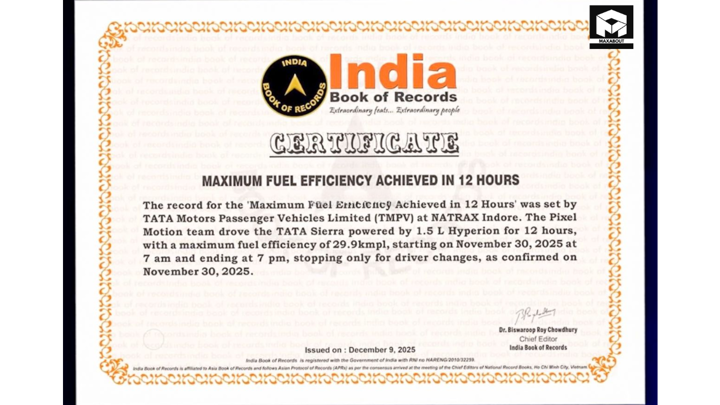
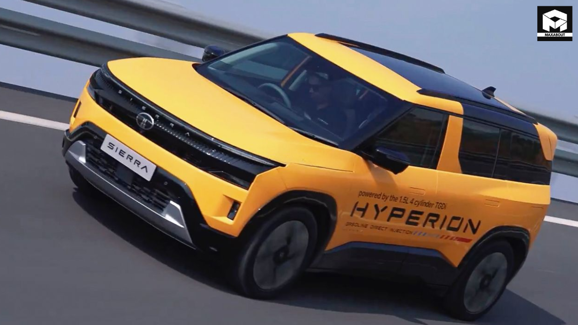
The automotive world loves a good record, and Tata Motors just delivered one. The Sierra has officially achieved 29.9 kmpl at the NATRAX High-Speed Test Track, narrowly beating the Volkswagen Taigun's previous benchmark of 29.8 kmpl. Now, before we get too carried away, I need to address the elephant in the room – these are controlled test conditions, not your daily commute through traffic-choked city streets.
But here's why this matters anyway: it demonstrates Tata's engineering prowess and their commitment to efficiency. When manufacturers optimize for these tests, those improvements often trickle down to real-world performance too. Let me break down what this achievement actually means for you as a potential buyer.
Understanding NATRAX Testing Conditions
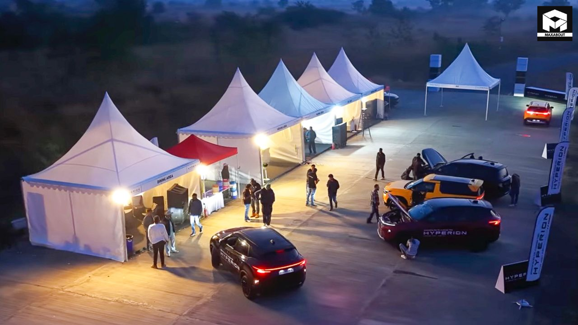
NATRAX, or the National Automotive Test Tracks, is India's premier testing facility located in Indore. The fuel efficiency tests conducted here follow specific protocols that create ideal conditions. We're talking smooth tarmac, controlled speeds, optimal tire pressure, and minimal payload.
From my understanding of these test protocols, vehicles typically maintain steady speeds between 20-60 kmph with minimal acceleration and braking. There's no air conditioning running at full blast, no stop-and-go traffic, and certainly no aggressive driving. It's essentially the automotive equivalent of a perfect storm – but in a good way.
Why These Tests Still Matter
You might be thinking, "Great, but I don't drive on an empty test track." Fair point. However, these standardized tests serve a crucial purpose:
- Level playing field: Every manufacturer tests under identical conditions, making comparisons meaningful
- Maximum potential indicator: Shows what the vehicle can theoretically achieve with optimal driving
- Engineering validation: Proves the effectiveness of efficiency technologies implemented
- Regulatory compliance: Helps manufacturers meet emission and fuel economy standards
The Sierra's Efficiency Arsenal
So how did Tata squeeze out that extra 0.1 kmpl to edge past the Taigun? Based on what we know about the Sierra's specifications and common efficiency optimization strategies, several factors likely contributed.
Engine and Transmission Optimization
The Sierra typically comes equipped with modern turbocharged petrol engines that balance power with economy. Tata has been aggressively refining their engine calibration, and it shows. Small tweaks to fuel injection timing, valve timing, and turbo boost management can yield measurable improvements.
Transmission plays a massive role too. Whether it's a manual or automatic, gear ratios optimized for cruising efficiency make a real difference. At steady speeds – exactly what NATRAX tests – a well-calibrated transmission keeps the engine in its sweet spot.
Aerodynamics and Weight Management
Here's something many people overlook: aerodynamics matter significantly at sustained speeds. The Sierra's design likely incorporates various drag-reducing elements. We're talking about things like active grille shutters, streamlined underbody panels, and optimized roofline angles.
Weight reduction is the other half of the equation. Every kilogram saved translates to better efficiency. Tata has probably employed high-strength steel in strategic areas and minimized unnecessary components without compromising safety.
Rolling Resistance and Tire Technology
Never underestimate the impact of good tires. Low rolling resistance tires can improve fuel economy by 2-3% without any engine modifications. Combined with optimal tire pressure during testing, this contributes meaningfully to the final figure.
Real-World Expectations: Bringing It Down to Earth
Let's get real for a minute. If you buy a Sierra expecting 29.9 kmpl in your daily driving, you're setting yourself up for disappointment. Based on typical patterns with NATRAX-tested vehicles, real-world mileage usually falls somewhere between 60-75% of test track figures.
What You'll Actually See
In city driving conditions with traffic, air conditioning, and normal loads, expect figures more in the range of:
- City driving: Typically 10-14 kmpl depending on traffic conditions
- Highway cruising: Usually 16-20 kmpl at steady speeds
- Mixed conditions: Generally averages around 13-17 kmpl
These numbers are still respectable for an SUV, but they're a far cry from 29.9 kmpl. The gap exists because real-world driving involves constant acceleration, braking, idling at signals, AC usage, and carrying passengers and cargo.
Maximizing Your Efficiency
Want to get closer to those optimal numbers? Here's what actually works:
- Maintain steady speeds: Cruise control on highways is your friend
- Anticipate traffic: Coast to red lights instead of braking hard
- Regular maintenance: Clean air filters and properly inflated tires matter more than you think
- Minimize AC usage: Use ventilation when possible, though I know Indian summers make this tough
- Reduce unnecessary weight: Clean out that trunk full of stuff you've been carrying for months
The Taigun Comparison: What It Reveals
The Volkswagen Taigun's 29.8 kmpl was impressive when it was achieved. The fact that Tata has matched and marginally exceeded it speaks volumes about how competitive Indian automotive engineering has become.
Different Approaches, Similar Results
Volkswagen and Tata likely took different engineering paths to reach similar destinations. VW typically focuses on TSI engine refinement and sophisticated transmission technology. Tata has been developing its own engineering capabilities while incorporating learnings from its ownership of Jaguar Land Rover.
The minimal difference – just 0.1 kmpl – suggests both manufacturers have optimized their vehicles extensively. At this level, we're seeing diminishing returns where massive engineering effort yields tiny incremental improvements.
Market Implications and Buyer Considerations

Should this record influence your buying decision? Honestly, it's one factor among many, but probably not the deciding one.
What Actually Matters for Buyers
When choosing between the Sierra, Taigun, or other SUVs in this segment, consider:
- Real-world efficiency ratings: Look at owner forums and long-term reviews for actual figures
- Overall ownership costs: Maintenance, insurance, and resale value matter as much as fuel economy
- Features and comfort: You'll spend years in this vehicle – make sure you actually enjoy it
- Build quality and reliability: Reports from existing owners provide valuable insights
- After-sales service: A well-serviced vehicle maintains its efficiency over time
The Bragging Rights Factor
Let's be honest – having the fuel efficiency record is great for Tata's marketing. It demonstrates technical capability and gives potential buyers confidence in the brand's engineering. It's the automotive equivalent of a tech company winning benchmark tests.
But remember, you're buying a vehicle for daily use, not to set records on test tracks. The Sierra might be a fantastic choice, but base that decision on comprehensive evaluation rather than a single impressive number.
Looking Forward: The Efficiency Race Continues
This record won't stand forever. Automotive efficiency is improving year over year as manufacturers refine their technology and adopt hybrid and electric powertrains.
Next Generation Technologies
We're seeing several trends that will push efficiency numbers even higher:
- Mild hybrid systems: Already common in many segments, capturing energy during braking
- Cylinder deactivation: Engines running on fewer cylinders when full power isn't needed
- Advanced start-stop systems: Smoother and more effective than earlier generations
- Continuously variable transmissions: Keeping engines at optimal RPMs more consistently
The Sierra's achievement is impressive for today's conventional technology, but tomorrow's vehicles will likely make these numbers look quaint.
Frequently Asked Questions
Will I actually get 29.9 kmpl in my Sierra?
No, this is a controlled test result. Real-world mileage typically ranges from 10-20 kmpl depending on driving conditions, with city driving at the lower end and highway at the higher end.
How does the Sierra compare to other SUVs in real-world efficiency?
In real-world conditions, the Sierra generally performs competitively with other compact SUVs in its segment. User reports typically show similar efficiency to competitors like the Creta, Seltos, and Taigun when driven under comparable conditions.
Is the NATRAX test result meaningless for regular drivers?
Not meaningless, but context is important. It provides a standardized comparison point and indicates the vehicle's maximum efficiency potential. However, your actual mileage will vary significantly based on driving style and conditions.
What factors affect real-world fuel efficiency the most?
Traffic conditions, driving style, AC usage, vehicle load, and maintenance are the biggest factors. City driving with heavy traffic can reduce efficiency by 40-50% compared to steady highway cruising.
Conclusion: Impressive Achievement, Realistic Expectations
Tata's achievement with the Sierra at NATRAX deserves recognition. Beating the Volkswagen Taigun's record, even by 0.1 kmpl, demonstrates serious engineering capability and positions Tata competitively in the efficiency conversation.
That said, keep your expectations grounded. This record represents optimal conditions that you'll never replicate in daily driving. What it does tell you is that Tata has built a well-engineered vehicle with strong efficiency credentials – and that's worth noting.
If you're considering the Sierra, evaluate it holistically. Test drive it, check real owner reviews, compare features and pricing, and assess the after-sales network in your area. The NATRAX record is a feather in its cap, but your buying decision should rest on much more than a single impressive number from a test track.
The competition between manufacturers ultimately benefits us as consumers. When brands push each other to achieve better efficiency, we all win through improved technology and reduced running costs. Whether the Sierra holds this record for months or years, it's proof that Indian automotive engineering is world-class – and that's something worth celebrating.
No comments yet
Be the first to share your thoughts!
Want to read more automotive news?
Stay updated with the latest car launches, reviews, and industry insights.
Browse All News