
Tata Safari, Harrier Petrol Launching December 9 – What to Expect
IntroductionTata Motors is finally bringing petrol power to its flagship SUVs. After years of being diesel-only offerings, the Safari and Harrier are set to receive petrol variants on December 9, 2023. This launch represents a significant shift in Tata's strategy for these popular models.As someone ...
Introduction
Tata Motors is finally bringing petrol power to its flagship SUVs. After years of being diesel-only offerings, the Safari and Harrier are set to receive petrol variants on December 9, 2023. This launch represents a significant shift in Tata's strategy for these popular models.
As someone who's followed the Indian automotive market closely, I can tell you this move has been anticipated for quite some time. The Safari and Harrier have been successful products for Tata, but the lack of petrol options has limited their appeal in a market where some buyers still prefer gasoline engines for their refinement and typically lower initial cost.
Let's dive into what we can expect from these new petrol-powered variants and why this launch matters in the competitive Indian SUV landscape.
The New Petrol Engine: Specifications and Performance
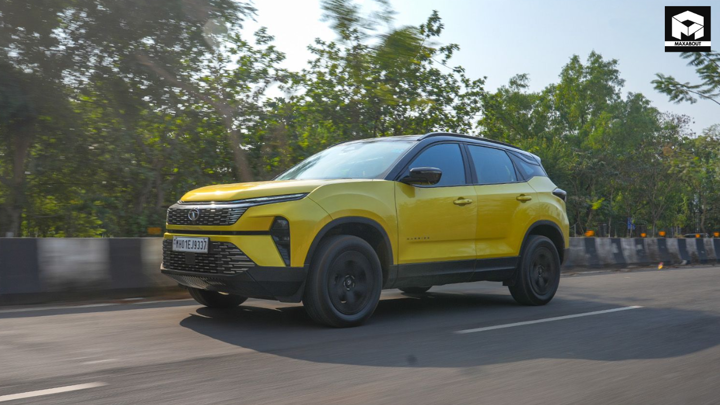
According to industry reports, both the Safari and Harrier petrol variants will be powered by Tata's new 1.5-liter four-cylinder turbocharged petrol engine. This is the same powertrain that was showcased at the Auto Expo 2023, where it was reported to produce around 168 bhp and 280 Nm of torque.
This engine represents a significant step up from Tata's existing smaller turbo-petrol motors and has been developed to deliver performance comparable to the 2.0-liter diesel engine currently powering these SUVs. The diesel unit, for reference, generates 168 bhp and 350 Nm of torque.
Transmission Options
Based on information from automotive publications and Tata's typical patterns, we can expect the petrol Safari and Harrier to come with multiple transmission options:
- 6-speed manual transmission
- 7-speed dual-clutch automatic transmission (DCT)
The DCT would be a new addition to these models, as the diesel variants currently use a 6-speed torque converter automatic. If implemented, this would likely provide quicker shifts and potentially better fuel efficiency compared to the existing automatic option.
Expected Performance Characteristics
While I haven't personally tested these vehicles yet, based on industry knowledge and similar engine configurations in the market, we can anticipate:
- Smoother and quieter operation compared to the diesel variants
- Potentially more responsive low-end torque delivery due to turbocharging
- Slightly lower fuel efficiency compared to diesel versions
- Improved NVH (Noise, Vibration, Harshness) levels
Design Updates and Feature Additions
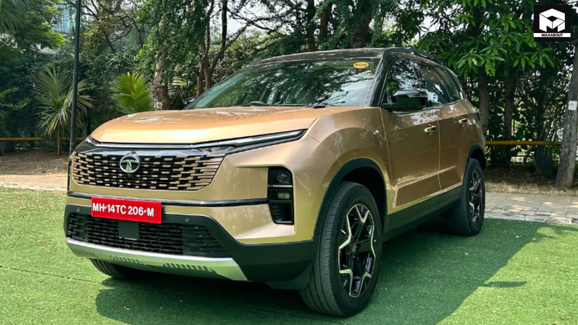
The petrol variants are expected to maintain the same overall design as their diesel counterparts, which received significant updates earlier in 2023. However, there might be some subtle changes to differentiate the petrol models.
Exterior Changes
Based on recent spy shots and industry reports, potential exterior changes could include:
- Unique badging to denote the petrol variants
- Possibly new color options exclusive to petrol models
- Minor tweaks to the front grille design
- Potentially different alloy wheel designs
Interior and Feature Updates
Inside the cabin, the petrol Safari and Harrier are likely to carry forward most features from their diesel counterparts, including:
- 10.25-inch touchscreen infotainment system
- 10.25-inch digital instrument cluster
- Panoramic sunroof (on higher trims)
- Ventilated front seats
- Advanced Driver Assistance Systems (ADAS) features
- 6 or 7-seater configurations (for the Safari)
According to Tata's recent product strategy, we might see some feature enhancements or new tech additions to make the petrol launch more attractive to potential buyers.
Expected Pricing and Market Positioning
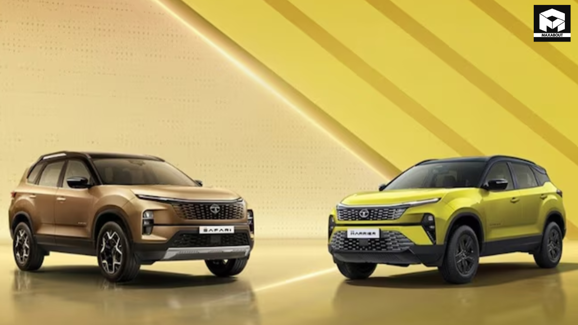
Pricing will be a crucial factor for the success of these petrol variants. Based on current market trends and the positioning of competing vehicles, I expect the petrol variants to be priced slightly lower than their diesel counterparts.
Estimated Price Range
While official prices will only be revealed at the December 9 launch, we can make educated estimates:
- Harrier Petrol: Likely to start from approximately ₹14-15 lakh (ex-showroom)
- Safari Petrol: Could start from around ₹15-16 lakh (ex-showroom)
This would position them competitively against rivals like the MG Hector, Hyundai Creta, Kia Seltos, and Mahindra XUV700, which all offer petrol engine options.
Variant Strategy
Tata typically offers its vehicles in multiple variants. For the petrol Safari and Harrier, we might see:
- 5-6 trim levels ranging from entry-level to fully-loaded
- Both manual and automatic options across most variants
- Special editions or appearance packages to generate additional interest
Market Impact and Competitive Analysis
The addition of petrol engines to the Safari and Harrier lineup is a strategic move that could significantly impact Tata's position in the SUV market.
Addressing Market Demands
Despite the growing popularity of diesel engines in the SUV segment, there remains a substantial market for petrol variants, especially in urban areas where:
- Petrol vehicles face fewer restrictions and regulations
- The price difference between petrol and diesel fuel has narrowed
- Many buyers prefer the refinement of petrol engines for primarily city-based driving
According to industry sales data, many competitors in this segment see a significant portion of their sales coming from petrol variants. By introducing petrol options, Tata is addressing a gap in its portfolio that has potentially cost it sales to rivals.
Competition
The petrol Safari and Harrier will directly compete with:
- MG Hector and Hector Plus
- Jeep Compass
- Hyundai Alcazar
- Mahindra XUV700
Most of these competitors offer both petrol and diesel options, giving them a wider customer base. Tata's entry into the petrol SUV space should level the playing field and potentially increase their market share.
Frequently Asked Questions
Will the petrol variants of Safari and Harrier be more fuel-efficient than diesel?
Generally, diesel engines offer better fuel efficiency than petrol engines. Based on industry standards, we can expect the petrol variants to have approximately 15-20% lower fuel efficiency compared to their diesel counterparts. However, exact figures will only be known after the official launch.
Are there any changes to the features list compared to diesel models?
According to current information, the petrol variants are expected to offer a similar feature set to their diesel equivalents. However, Tata might include some exclusive features or technologies to differentiate the petrol lineup.
Will the petrol variants come with an automatic transmission option?
Yes, based on industry reports, the petrol variants are likely to be offered with both manual and automatic transmission options. The automatic is expected to be a 7-speed DCT (Dual Clutch Transmission).
How will the performance compare to the diesel variants?
The new 1.5-liter turbo-petrol engine is reported to produce similar horsepower to the diesel engine but with somewhat less torque. This should translate to comparable straight-line performance but potentially less low-end pulling power. The petrol variants might feel more responsive and refined at higher RPMs.
Conclusion
The introduction of petrol variants for the Tata Safari and Harrier represents a significant expansion of the company's SUV portfolio. By offering both fuel options, Tata is positioning itself to cater to a wider range of customer preferences and use cases.
Based on the specifications and features expected, these new models should be competitive entries in the midsize SUV segment. The 1.5-liter turbo-petrol engine appears to be a capable powerplant that should deliver adequate performance while offering the refinement advantages typical of petrol engines.
The December 9 launch will reveal the final specifications, pricing, and variant details. For potential buyers interested in these models, the petrol variants could offer a compelling alternative to the established diesel options, particularly for those who drive primarily in urban environments or have a preference for gasoline engines.
As the automotive market continues to evolve, Tata's decision to expand its powertrain options demonstrates its commitment to meeting diverse customer needs and staying competitive in the rapidly changing Indian SUV landscape.
Want to read more automotive news?
Stay updated with the latest car launches, reviews, and industry insights.
Browse All News