
Tata Harrier Petrol 1.5 Hyperion Spotted: What to Expect in 2025
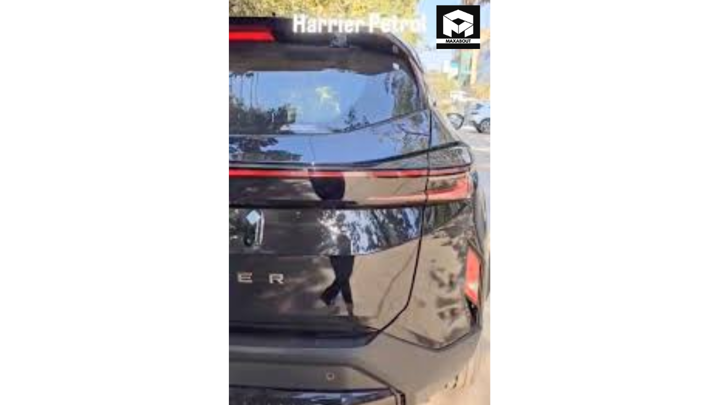
The Tata Harrier has been a solid performer in the mid-size SUV segment, but it's always had one glaring omission – no petrol option. That's about to change. Recent dealer sightings of the Harrier 1.5 Hyperion variant indicate Tata Motors is ready to fill this gap, and honestly, it's about time.I've...
Automotive Journalist
The Tata Harrier has been a solid performer in the mid-size SUV segment, but it's always had one glaring omission – no petrol option. That's about to change. Recent dealer sightings of the Harrier 1.5 Hyperion variant indicate Tata Motors is ready to fill this gap, and honestly, it's about time.
I've been following the Harrier's journey since its launch, and the lack of a petrol variant has always puzzled me. In today's market, offering only diesel limits your customer base significantly. Many urban buyers prefer petrol for lower maintenance costs and easier city driving.
What We Know About The 1.5 Hyperion Engine
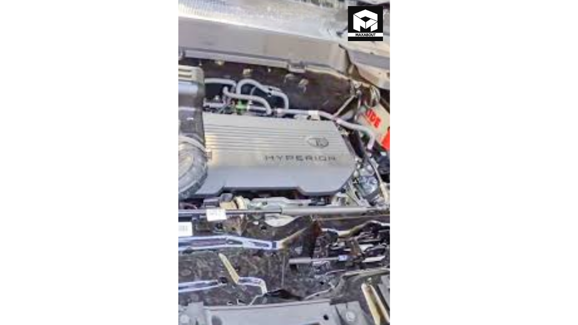
The Hyperion name refers to Tata's new 1.5-liter turbocharged petrol engine. This isn't just some placeholder motor – it's a thoroughly modern powerplant designed specifically for larger vehicles.
Based on industry patterns and what we've seen from Tata's engine development, the Hyperion should deliver competitive performance. Typically, engines in this segment produce between 150-170 hp with torque figures around 250-280 Nm. That's adequate for a vehicle the size of the Harrier, though it'll definitely feel different from the torquey 2.0-liter diesel.
Performance Expectations
Here's the thing about downsized turbo engines – they're all about efficiency, not brute force. The 1.5-liter mill will likely feel peppy enough for daily driving and highway cruising. You won't get that diesel shove from low revs, but the petrol should feel more refined and willing to rev.
According to automotive engineering principles, a smaller displacement turbo engine in an SUV this size means:
- Better fuel economy in city conditions – less weight and modern turbo tech help
- Smoother power delivery – petrol engines generally vibrate less
- Higher rpm performance – better for overtaking at highway speeds
- Quieter cabin experience – inherent advantage of petrol over diesel
Why This Matters For The Harrier
Let me be straight with you – the Harrier needed this variant yesterday. The SUV market has evolved dramatically, and buyers want choices. Many customers walk into showrooms, love the Harrier's design and features, but walk out when they learn there's no petrol option.
Addressing Market Demands
The petrol variant opens up several new customer segments:
- Urban buyers who prefer petrol for lower running costs
- Those who drive less than 20,000 km annually
- Buyers in cities with strict diesel regulations
- Customers wanting lower upfront costs (petrol variants typically cost less)
- First-time SUV buyers hesitant about diesel maintenance
I've seen this pattern repeatedly – whenever manufacturers add a petrol option to diesel-only SUVs, sales get a significant boost. It's not rocket science. More options equal more buyers.
Expected Features And Variants
The dealer sightings suggest Tata isn't just testing the waters with a single variant. We're likely looking at multiple trim levels to match the existing diesel lineup.
Trim Level Speculation
Based on Tata's current strategy across their lineup, expect these trims:
- Smart – Base variant with essentials
- Pure – Mid-level with added convenience features
- Adventure – Premium features and styling elements
- Fearless – Top-spec with all the bells and whistles
Each variant will likely offer both manual and automatic transmission options. The automatic will probably be a dual-clutch unit, which suits turbo-petrol engines better than traditional torque converters in terms of efficiency.
Feature Parity With Diesel
There's no reason to expect the petrol variant to be stripped down. Modern manufacturing practices make it cost-effective to maintain feature consistency across powertrains. You should get:
- The same infotainment system with connected car tech
- Identical safety equipment including ADAS features
- Same interior quality and materials
- Panoramic sunroof (on higher variants)
- Digital instrument cluster and premium audio
Pricing Strategy And Market Positioning
Here's where it gets interesting. Pricing will make or break this variant's success.
Expected Price Range
Historically, petrol variants of SUVs cost anywhere from ₹50,000 to ₹1.5 lakh less than their diesel counterparts, depending on the segment. For the Harrier, I'd expect the petrol to be priced approximately ₹80,000 to ₹1.2 lakh lower than equivalent diesel variants.
This pricing strategy serves multiple purposes. It makes the Harrier more accessible, undercuts some competitors, and still maintains healthy margins for Tata. Everyone wins.
Competition Analysis
The Harrier petrol will face stiff competition from established players:
- Hyundai Alcazar – offers proven petrol options with strong brand backing
- MG Hector – already has both petrol and hybrid variants
- Jeep Compass – premium positioning with petrol options
- Mahindra XUV700 – popular choice with competitive petrol variants
What works in the Harrier's favor is its distinctive design and Tata's improving reputation for build quality and safety. Those factors count for a lot in buyer decisions.
Launch Timeline And Availability
Dealer sightings usually indicate a launch is 4-8 weeks away. Manufacturers don't send vehicles to dealerships months in advance – it's typically for staff training and display preparation.
What This Means For Buyers
If you're considering a Harrier, here's my take on timing:
Wait if: You specifically want the petrol variant and can hold off another 2-3 months. Initial bookings will likely come with decent launch offers.
Don't wait if: You're happy with the diesel and need a vehicle immediately. The diesel Harrier is well-established and won't see major changes just because petrol arrives.
Potential Challenges And Considerations
Let's be realistic – downsizing from 2.0 diesel to 1.5 petrol isn't without compromises.
Performance Trade-offs
The Harrier is a substantial vehicle, weighing over 1,700 kg. A 1.5-liter engine will need to work harder, especially when fully loaded or climbing hills. This might manifest as:
- More frequent downshifts on inclines
- Slightly slower acceleration compared to diesel
- Engine working in higher rpm ranges for highway cruising
- Real-world fuel economy varying significantly based on driving style
That said, modern turbo-petrol engines punch well above their displacement suggests. Proper tuning makes a huge difference.
Fuel Economy Reality Check
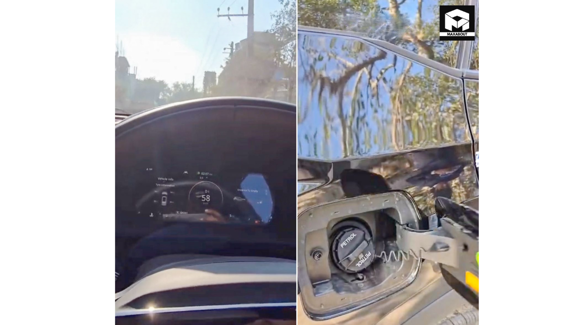
Don't expect diesel-beating fuel efficiency. Petrol engines inherently consume more fuel than diesels for the same workload. Realistically, expect figures in the range of 12-14 kmpl for mixed driving conditions. Highway-only runs might touch 16-17 kmpl with disciplined driving.
Should You Consider The Petrol Harrier?
This depends entirely on your usage pattern and preferences. Let me break it down simply.
Choose Petrol If:
- You drive less than 15,000-20,000 km annually
- Most of your driving is in the city
- You value lower upfront costs over long-term fuel savings
- You prefer smoother, quieter engine operation
- You're in a metro with diesel restrictions
- You plan to keep the vehicle for less than 5 years
Stick With Diesel If:
- You're a high-mileage driver (over 20,000 km yearly)
- You frequently do long highway trips
- You often drive with full passenger load or cargo
- You prefer low-end torque and effortless cruising
- You plan long-term ownership (7+ years)
What This Means For Tata's Strategy
Introducing the petrol Harrier shows Tata is listening to market feedback. It's part of a broader strategy to offer comprehensive powertrains across their lineup.
The company has been steadily improving product quality, after-sales service, and feature offerings. Adding powertrain options is the logical next step to capture wider market share. We're likely to see this Hyperion engine make its way to other Tata vehicles in the coming years.
Frequently Asked Questions
When will the Tata Harrier petrol officially launch?
Based on dealer sightings, the launch appears imminent – likely within the next 6-8 weeks. Tata hasn't announced an official date yet, but vehicles reaching dealerships typically indicates launch is close.
Will the petrol Harrier be more affordable than the diesel?
Yes, petrol variants typically cost ₹80,000 to ₹1.2 lakh less than equivalent diesel variants in this segment. This makes the Harrier more accessible to a broader range of buyers.
How will the 1.5L petrol compare to the 2.0L diesel in performance?
The diesel will have better low-end torque and likely superior fuel economy for highway driving. The petrol will be smoother, quieter, and more refined, with adequate performance for most driving situations. It's a different character, not necessarily better or worse.
What fuel economy can I expect from the Harrier petrol?
Realistically, expect 12-14 kmpl in mixed driving conditions. Highway-focused driving with light throttle inputs might yield 16-17 kmpl, while city-only usage could drop to 10-12 kmpl depending on traffic conditions.
Will all features be available on the petrol variant?
Most likely yes. Modern manufacturing practices favor maintaining feature parity across powertrains. Expect the same safety equipment, infotainment, and comfort features across petrol and diesel variants at corresponding trim levels.
Conclusion
The arrival of the Tata Harrier 1.5 Hyperion petrol is genuinely exciting news for the segment. It fills a significant gap in Tata's lineup and gives buyers the choice they've been requesting since the Harrier's launch.
Will it be the perfect solution for everyone? Absolutely not. The diesel still makes more sense for high-mileage drivers and those prioritizing torque and long-distance comfort. But for urban buyers, those driving moderate distances, and anyone preferring petrol's inherent smoothness, this variant could be exactly what they need.
The real test will be pricing and real-world performance. If Tata prices it aggressively and the engine delivers on refinement promises, the petrol Harrier could significantly boost overall Harrier sales. Given how competitive this segment is, that's no small achievement.
My advice? If you're in the market for a mid-size SUV and have been fence-sitting on the Harrier because of the diesel-only option, wait for the official launch. Test drive both powertrains, calculate your actual usage patterns, and make an informed decision. The Harrier is already a compelling package – adding a petrol option just makes it available to more buyers.
And honestly, that's exactly how it should be. More choice is always better for consumers.
No comments yet
Be the first to share your thoughts!
Want to read more automotive news?
Stay updated with the latest car launches, reviews, and industry insights.
Browse All News