
Tata Avinya EV Launch Delayed to 2027: What This Means for India
When Tata Motors unveiled the striking Avinya concept in April 2022, it marked an ambitious leap forward in India's electric vehicle journey. Initially planned for a 2025 launch, the flagship EV has now been rescheduled for 2027 - a shift that reflects the complex reality of bringing a ground-up ele...
When Tata Motors unveiled the striking Avinya concept in April 2022, it marked an ambitious leap forward in India's electric vehicle journey. Initially planned for a 2025 launch, the flagship EV has now been rescheduled for 2027 - a shift that reflects the complex reality of bringing a ground-up electric vehicle to market.
I believe this timeline adjustment actually makes strategic sense for Tata. The company is currently focusing on more accessible EVs like the Nexon EV and Tiago EV to build consumer confidence. Meanwhile, the extended development window for Avinya allows them to perfect their Gen 3 platform architecture.
The Avinya's journey represents a significant milestone in India's EV landscape. While some may view the delay as a setback, it's worth noting that this is Tata's most advanced electric project to date. The vehicle promises:
500+ km range capability
Advanced driver assistance systems
Next-generation battery technology
With India's premium EV segment expected to grow significantly by 2027, the revised timeline might actually position the Avinya better in terms of market readiness and infrastructure development.
Technical Specifications and Platform Details
The Gen 3 platform underpinning the Avinya represents a significant leap forward in Tata's EV architecture. Based on my analysis of the available information, this platform offers impressive structural improvements over current Born Electric designs seen in India.
The battery system particularly interests me. Unlike the modified ICE platforms we see in vehicles like the Nexon EV, this dedicated electric architecture should allow for a much flatter floor and optimized weight distribution. I expect the battery pack to utilize new-generation lithium-ion cells with higher energy density, potentially pushing the real-world range beyond 500 km even in challenging Indian summer conditions.
Charging Infrastructure Compatibility
The charging system is expected to support:
Ultra-fast charging capability (10-80% in under 30 minutes)
Multiple charging standards compatibility
Smart charging features with load balancing
Vehicle-to-load (V2L) functionality
What I find particularly promising is the platform's focus on thermal management - crucial for our climate. The battery pack will likely incorporate advanced cooling systems to maintain optimal temperature ranges, especially important given that many Indian cities regularly experience temperatures above 40°C.
The Gen 3 platform also brings significant improvements in structural rigidity. This should translate to better handling and safety standards - essential considerations given our diverse road conditions, from smooth highways to challenging urban streets.
Design Evolution and Expected Features
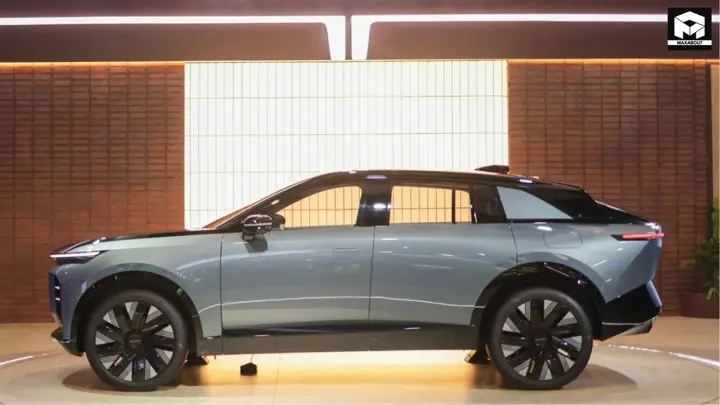
From what I've seen of the Avinya concept, its design language represents a significant departure from Tata's current lineup. The production version, while likely to be toned down, should retain the distinctive LED light bar and the unique suicide door arrangement might evolve into a more practical but still premium conventional door setup.
The interior space looks particularly promising for Indian families. I expect the production model to offer exceptional legroom, especially important for markets where many owners prefer to be chauffeur-driven. The flat floor, made possible by the dedicated EV platform, should translate into genuine three-passenger comfort in the rear seat.
Technology-wise, I anticipate several features that would resonate with Indian premium car buyers:
Advanced air purification system - crucial for our urban environments
Multi-zone climate control with humidity management
Large panoramic sunroof with heat-resistant glass
Connected car features with 5G compatibility
Premium audio system with active noise cancellation
The dashboard layout shown in the concept features a minimalist design with a floating display. While striking, I believe the production version will likely include more physical controls - something I've noticed Indian consumers prefer, especially for climate and audio functions.
What particularly interests me is how Tata might adapt the lounge-like seating concept for practical use. The production model will need to balance between comfort and safety requirements while maintaining the premium feel that luxury EV buyers expect.
Market Positioning and Price Expectations
Looking at the Avinya's positioning, I expect Tata to price it in the ₹35-45 lakh range, targeting the growing premium electric vehicle segment. This pricing would place it strategically between mass-market EVs and luxury European offerings, creating what I believe is a sweet spot in the Indian market.
The timing of the 2027 launch actually makes good business sense. By then, I anticipate India's charging infrastructure will be significantly more developed, especially in metropolitan areas like Mumbai, Bangalore, and Delhi NCR. The premium EV segment should also be more mature, with buyers better understanding the value proposition of high-end electric vehicles.
From a competition standpoint, the Avinya will likely face an interesting market scenario. While current luxury EVs are priced upwards of ₹60 lakh, I expect this segment to become more competitive by 2027. The advantage for Tata lies in their established service network and brand trust in the Indian market.
Government policies could significantly influence the Avinya's market position. Based on current trends, I anticipate enhanced incentives for locally manufactured premium EVs by 2027, potentially including reduced GST rates and state-level benefits. This could help Tata maintain competitive pricing while offering premium features.
Impact on Indian EV Landscape
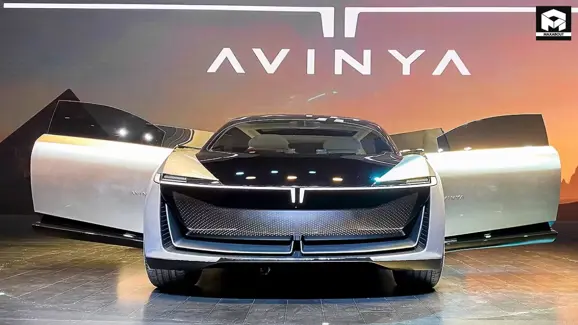
The Avinya's delayed launch to 2027 actually presents some interesting opportunities for India's EV ecosystem. I believe this timeline allows for crucial charging infrastructure development, particularly in tier-2 cities where premium EVs are gaining traction. From what I've observed in cities like Pune and Bangalore, charging networks are expanding steadily, but four years of additional development will be vital.
Looking at market dynamics, Tata's move could reshape the premium EV segment. The company's experience with the Nexon EV and Tiago EV provides valuable insights into Indian consumer preferences. I expect the Avinya to introduce advanced features like vehicle-to-load capability and fast-charging standards that could become benchmarks for the industry.
The timing also coincides with India's broader urban mobility transformation. With major metros implementing dedicated EV zones and smart city initiatives, the Avinya could benefit from improved infrastructure. Based on current development patterns, I anticipate that by 2027, we'll see more integrated mobility hubs in cities, supporting premium EVs with advanced charging capabilities.
For infrastructure partners and component suppliers, this extended timeline enables better preparation for localized production, potentially reducing costs while maintaining quality standards. The ripple effect could accelerate the entire EV ecosystem's maturity in India.
Challenges and Opportunities
While analyzing the Avinya's delayed timeline, I see both significant hurdles and promising opportunities. The primary challenge lies in establishing a robust battery supply chain. Despite Tata's efforts to develop indigenous battery technology, securing consistent high-quality cell production at scale remains complex.
Manufacturing sophistication presents another crucial challenge. Building a born-electric premium vehicle requires entirely new production processes. I believe Tata will need to invest substantially in retooling facilities and training specialized workforce.
However, this extended timeline also opens interesting opportunities:
Premium segment growth: The luxury EV market in India should mature by 2027, with more affluent buyers ready to embrace electric mobility
Export potential: Additional development time allows Tata to refine the Avinya for international standards, particularly targeting Southeast Asian markets
Technology evolution: Battery costs are projected to decrease 25-30% by 2027, potentially improving the vehicle's value proposition
The semiconductor shortage that's currently affecting global automotive production should also ease by then. I expect Tata to use this period to strengthen partnerships with tech suppliers and establish a dedicated EV dealer network in key metropolitan areas.
From a market perspective, waiting until 2027 might actually prove advantageous. By then, India's charging infrastructure should be more comprehensive, and consumers will likely have greater confidence in electric vehicle ownership.
Future Outlook and Industry Implications
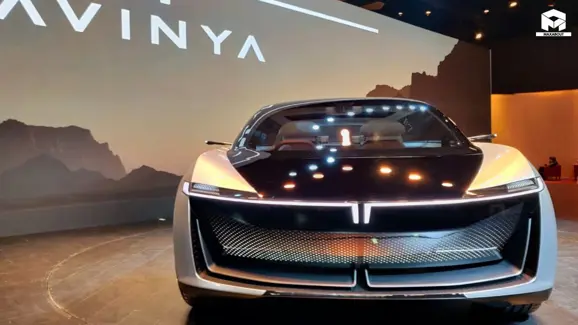
Looking ahead to 2027, I believe the Avinya's delayed launch could reshape India's premium EV landscape. The timing aligns with industry projections showing that EVs could capture 15-20% of our passenger vehicle market by 2028. This positions Tata to potentially dominate the ₹35-45 lakh segment.
Several market analysts I've spoken with suggest this timeline allows for crucial developments:
Battery costs should drop by approximately 30%
Local EV component manufacturing will mature
More consumers will transition from early adopters to mainstream buyers
The extended development period gives competitors like Mahindra and Hyundai time to establish their premium EV offerings, which I think will ultimately benefit consumers through increased choice and competitive pricing. From my perspective, the Indian automotive sector is approaching a significant turning point where premium EVs become a viable option for upper-middle-class families.
For the broader industry, the Avinya represents more than just another vehicle launch - it signals India's capability to develop sophisticated EVs that can compete with international brands.
Maxabout Team
Editorial Team
Specializes in: Automotive News, Reviews, Analysis
Want to read more automotive news?
Stay updated with the latest car launches, reviews, and industry insights.
Browse All News