
Renault Duster Pickup Truck Spied: More Versatile Than the SUV in 2025
Why a Duster Pickup Makes Perfect SenseI've always believed the Duster platform has massive untapped potential, and a pickup truck variant proves Renault is thinking along the same lines. The spy shots circulating online show what appears to be a single-cab or extended-cab configuration with a funct...
By ravi gaikwad
Automotive Journalist
Why a Duster Pickup Makes Perfect Sense
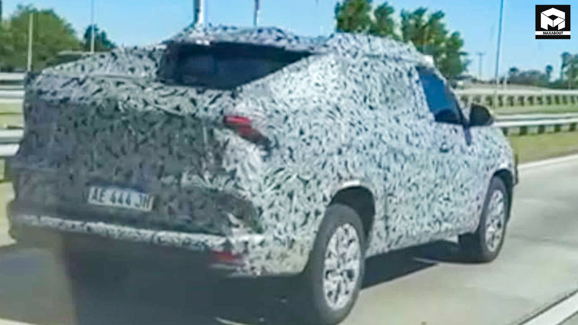
I've always believed the Duster platform has massive untapped potential, and a pickup truck variant proves Renault is thinking along the same lines. The spy shots circulating online show what appears to be a single-cab or extended-cab configuration with a functional cargo bed.
Here's the thing about pickup trucks in emerging markets – they're not just lifestyle vehicles. They're genuine workhorses that small business owners, farmers, and tradespeople rely on daily. The Duster's reputation for ruggedness and affordability translates perfectly to this segment.
According to industry reports, the compact pickup segment continues growing in regions like South America, Africa, and parts of Asia. Renault would be smart to capitalize on this trend with a vehicle that already has proven mechanical credentials.
What We Know From the Spy Shots

The test mules caught on camera reveal several interesting details about Renault's approach to this pickup variant.
Design and Body Configuration
From what I can see in the images, Renault appears to be testing a conventional pickup layout rather than attempting something radical. This makes sense – customers in this segment typically want proven designs, not experiments.
Key visible features include:
- Extended rear overhang to accommodate the cargo bed
- Reinforced rear suspension setup for payload capacity
- Modified rear body panels with apparent strengthening
- What looks like a single-cab configuration in some shots
- Conventional tailgate arrangement
The front end appears largely unchanged from the standard Duster SUV, which keeps development costs down and maintains brand recognition. Smart move, if you ask me.
Cargo Bed Dimensions
While exact measurements aren't available from spy photography, the cargo bed appears reasonably sized for this class. Industry patterns suggest we're probably looking at something in the 1.4 to 1.6-meter range for bed length – competitive with other compact pickups.
The bed sides don't appear excessively tall, which actually helps with loading and unloading. I've seen too many modern pickups with beds so high you need a stepladder just to grab your tools.
Expected Powertrain and Mechanical Setup
One of the Duster's strengths has always been its straightforward mechanical package. I expect the pickup variant to carry this philosophy forward.
Engine Options
Based on what's currently available in the Duster SUV lineup globally, the pickup will likely offer:
- Petrol engines: Turbocharged units in the 1.3 to 1.5-liter range, typically producing 130-150 horsepower
- Diesel options: The proven 1.5-liter diesel where markets demand it, offering better torque for hauling
- Transmission choices: Both manual and automatic options depending on the region
The diesel engine makes particular sense for a pickup. That low-end torque is exactly what you want when you're loading up supplies or towing a trailer. According to user forums and service center reports, Renault's diesel engines have shown decent reliability when properly maintained.
Four-Wheel Drive Capability
The Duster SUV offers 4WD in many markets, and I'd be shocked if the pickup didn't continue this tradition. Commercial buyers often need genuine off-road capability – not just the appearance of it.
Renault's 4WD system is refreshingly simple, which typically means fewer expensive repairs down the line. That matters when you're relying on your vehicle for business.
Target Markets and Competition

Not every market will see this pickup, and that's perfectly fine. Renault appears to be targeting regions where compact pickups serve genuine commercial needs.
Primary Markets
Most likely destinations include:
- South America: Strong pickup culture with competitors like the Fiat Strada and Volkswagen Saveiro
- Africa: Where the Duster SUV already sells well and pickup demand remains strong
- Middle East: Commercial vehicle demand with preference for affordable options
- India: Growing pickup segment with recent regulation changes favoring such vehicles
Don't expect this in Western Europe or North America. Those markets have different preferences and regulations that don't align well with a compact, budget-focused pickup.
Who It's Competing Against
The competitive landscape varies by region, but generally includes:
- Fiat Strada (particularly strong in Brazil)
- Volkswagen Saveiro
- Nissan NP200 (in select markets)
- Various Chinese compact pickups
- Converted SUV-based pickups from local manufacturers
The Duster pickup's advantage? An established brand reputation and proven components. That counts for something when you're making a business decision.
Practical Advantages Over the SUV
Let me be clear – this isn't about one being better than the other. They serve different purposes entirely.
Real-World Versatility
The pickup configuration offers several practical benefits:
- Easier cleaning: Dirty cargo stays outside the cabin
- Payload flexibility: Oversized items that won't fit in an SUV cargo area
- Tax advantages: Many markets classify pickups as commercial vehicles with tax benefits
- Dedicated work vehicle: Separates business use from family transportation
I've watched countless small business owners struggle with SUVs that can't quite handle their commercial needs. A proper pickup bed solves many of those frustrations.
Maintenance and Running Costs
Sharing components with the standard Duster means parts availability should be excellent wherever the SUV is sold. Service centers already familiar with Duster maintenance won't need special training or tools.
This might seem like a small detail, but it's huge for total cost of ownership. When every component is shared with thousands of existing vehicles, replacement parts stay affordable and readily available.
Potential Concerns and Considerations
No vehicle is perfect, and the Duster pickup will have its trade-offs.
Payload Capacity Questions
The Duster platform wasn't originally designed as a pickup, which raises questions about ultimate payload capacity. Industry patterns suggest we're probably looking at somewhere between 500-750 kg, competitive but not class-leading.
Renault will need to reinforce the chassis and upgrade the rear suspension appropriately. The spy shots suggest they're doing exactly that, but real-world testing will tell the full story.
Ride Quality Trade-offs
Pickups typically ride differently than SUVs, especially when unloaded. The beefier rear suspension required for carrying payload often means a firmer, less comfortable ride when the bed is empty.
It's a compromise that comes with the territory. Commercial buyers generally accept this trade-off, but it's worth understanding before purchase.
Expected Timeline and Pricing Strategy
Based on typical development cycles and the apparent testing stage, I'd estimate we're looking at a launch sometime in late 2024 or early 2025 for initial markets.
Pricing Predictions
Renault's whole strategy with the Duster has been value-oriented pricing. The pickup should follow this philosophy, likely positioning:
- Slightly below or matching the base SUV variant
- Competitive with other compact pickups in each market
- Multiple trim levels to serve different buyer needs
- Commercial-spec base models with stripped-down features
- More equipped versions for buyers wanting comfort alongside capability
Price positioning will vary dramatically by market, but the value proposition should remain consistent globally.
What This Means for the Duster Lineup
Adding a pickup variant strengthens the entire Duster family. It's not cannibalizing SUV sales – it's reaching completely different buyers.
The modular approach makes business sense too. Renault maximizes their investment in the Duster platform by serving multiple segments with shared engineering. That's how you keep costs down and prices competitive.
Reports suggest the current-generation Duster platform was designed with this versatility in mind. If true, it shows smart long-term planning from Renault's product development team.
Frequently Asked Questions
When will the Renault Duster pickup truck be available?
While Renault hasn't officially confirmed the timeline, industry patterns suggest a potential launch in late 2024 or 2025 for initial markets. Different regions will likely receive it at different times based on market priorities and regulatory approvals.
Will the Duster pickup be available in the United States or Europe?
This seems unlikely. The compact pickup segment in these markets is either non-existent or dominated by larger vehicles with different capabilities. Renault appears to be targeting emerging markets where compact pickups serve genuine commercial needs.
What engines will power the Duster pickup?
Expect the pickup to share powertrains with the current Duster SUV lineup, likely including turbocharged petrol engines and diesel options in markets where they're preferred. Specific offerings will vary by region based on local demand and regulations.
How much payload can the Duster pickup carry?
Official specifications haven't been released, but based on the platform and competitive vehicles, payload capacity will likely fall between 500-750 kg. Final numbers will depend on the specific configuration and market requirements.
Will four-wheel drive be available?
Given the Duster SUV's 4WD availability and the pickup's target markets, four-wheel drive options seem highly probable. Commercial buyers in many regions specifically need genuine off-road capability, making 4WD a logical offering.
Conclusion
The Renault Duster pickup truck represents exactly the kind of practical product development that makes sense in today's market. Rather than chasing trends or creating unnecessary complexity, Renault appears to be leveraging their existing strengths to serve a genuine customer need.
What excites me about this variant isn't revolutionary technology or groundbreaking design – it's the straightforward practicality of it all. Small businesses and commercial users in emerging markets need affordable, reliable pickup trucks. The Duster's proven platform provides an excellent foundation for exactly that.
The spy shots suggest Renault is taking a conservative, sensible approach to the design and engineering. That's appropriate for this segment. Buyers want functionality and value, not gimmicks.
Will it revolutionize the pickup market? Probably not. But it doesn't need to. If Renault can deliver a competent, affordable pickup with the Duster's reputation for ruggedness and low running costs, they'll find plenty of interested customers. Sometimes that's exactly enough.
As someone who appreciates vehicles that serve their intended purpose well without unnecessary complication, I'm genuinely interested to see how this develops. The automotive world needs more practical, purpose-built vehicles and fewer overpriced, over-complicated ones. The Duster pickup could be a refreshing addition to markets that still value honest, straightforward capability over flashy features.
No comments yet
Be the first to share your thoughts!
Want to read more automotive news?
Stay updated with the latest car launches, reviews, and industry insights.
Browse All News