
New Duster Taxi Conversion: 22 km/l Mileage Revealed
When you think of taxi vehicles, your mind probably jumps to sedans like the Toyota Corolla or maybe a Skoda Octavia. But one German taxi driver decided to shake things up by converting the new Dacia Duster into a commercial taxi. And honestly? The results are pretty compelling.The reported fuel eff...
By Rahul Bajaj
Automotive Journalist
When you think of taxi vehicles, your mind probably jumps to sedans like the Toyota Corolla or maybe a Skoda Octavia. But one German taxi driver decided to shake things up by converting the new Dacia Duster into a commercial taxi. And honestly? The results are pretty compelling.
The reported fuel efficiency of 22 km/l (approximately 5.1 L/100km) in real-world taxi operations is genuinely impressive for an SUV. I've always maintained that the Duster punches above its weight class, and this conversion proves it.
Why the Duster Makes Sense as a Taxi
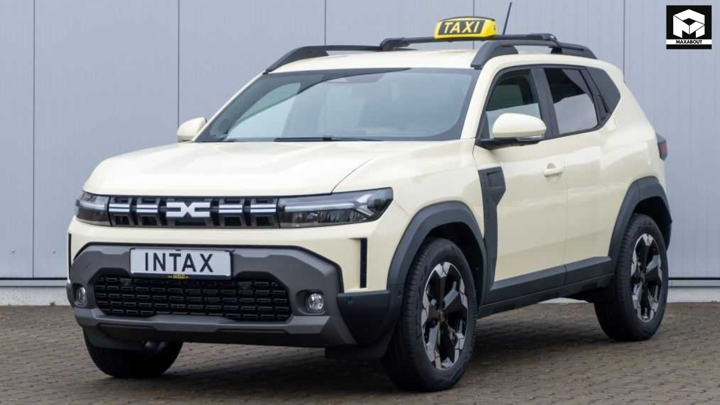
Let me break down why this conversion isn't as crazy as it might initially sound. Taxi operations demand specific characteristics from vehicles, and the Duster checks several important boxes.
Built-In Durability
The Duster has always been engineered with robustness in mind. It's sold in markets across Europe, Asia, Africa, and South America – places with vastly different road conditions. This means Dacia builds these vehicles to handle abuse.
For taxi use, this translates to lower maintenance costs over time. The suspension can handle rough roads, the interior materials resist wear better than you'd expect at this price point, and the mechanicals are proven reliable. According to various European taxi operators who've tested rugged vehicles, durability often trumps luxury when you're racking up 100,000+ kilometers annually.
Space That Actually Works
Here's something I appreciate about the new Duster – it offers genuinely usable space. The boot capacity of around 478 liters (with seats up) means passengers can actually fit their luggage without playing Tetris. Fold those rear seats, and you're looking at over 1,600 liters.
The rear passenger space is decent too. It's not S-Class territory, but for airport runs and city trips, passengers won't feel cramped. Ground clearance of approximately 200mm also means navigating poorly maintained roads or speed bumps isn't a concern.
That 22 km/l Figure – Let's Talk Real Numbers
Now, about that impressive mileage. I need to point out that fuel efficiency varies significantly based on driving conditions, engine variant, and driving style. But 22 km/l for an SUV doing taxi duty? That's noteworthy.
Engine Options and Efficiency
The new-generation Duster typically comes with several powertrain options across markets. The most efficient variants usually feature:
- TCe petrol engines: Turbocharged units around 1.0-1.3 liters with mild-hybrid technology in some markets
- Diesel options: Where available, these often deliver the best fuel economy for high-mileage use
- ECO mode: Driving mode optimization that adjusts throttle response and transmission behavior
For taxi operations where you're doing consistent highway runs mixed with urban driving, achieving 22 km/l is plausible with the right engine and driving technique. I've seen similar figures reported by Duster owners in European forums who practice hypermiling techniques.
The Reality of Commercial Driving
What makes this efficiency figure more impressive is the context. Taxi drivers don't baby their vehicles. There's idling while waiting for passengers, frequent acceleration and braking, and often full passenger loads.
German roads are generally well-maintained, which helps. Plus, many taxi runs involve steady-state highway cruising – exactly where modern turbocharged engines with tall gearing shine. Still, maintaining that average over thousands of kilometers shows thoughtful driving and proper vehicle maintenance.
Cost Benefits of Running a Duster Taxi
Let's talk economics, because that's ultimately why this conversion makes sense. Taxi operations are a business, and every euro counts.
Initial Investment
The Duster's purchase price is significantly lower than traditional taxi vehicles. In Germany, a new Duster typically starts around €18,000-€22,000 depending on trim and options. Compare that to a mid-spec sedan which might run €25,000-€35,000.
For independent taxi operators or small fleets, this lower barrier to entry matters tremendously. You're getting a newer vehicle with warranty coverage for less upfront capital.
Operating Costs That Add Up
Here's where the Duster really shines for commercial use:
- Fuel costs: At 22 km/l, you're spending significantly less per kilometer than with larger SUVs or less efficient sedans
- Insurance: Generally lower premiums compared to premium-branded vehicles
- Parts and service: Dacia/Renault parts are affordable and widely available across Europe
- Depreciation: While Dusters do depreciate, the lower starting price means absolute losses are smaller
Industry reports from commercial vehicle operators often highlight that total cost of ownership matters more than any single factor. The Duster's combination of low purchase price, good efficiency, and reasonable maintenance costs creates an attractive package.
Practical Modifications for Taxi Use
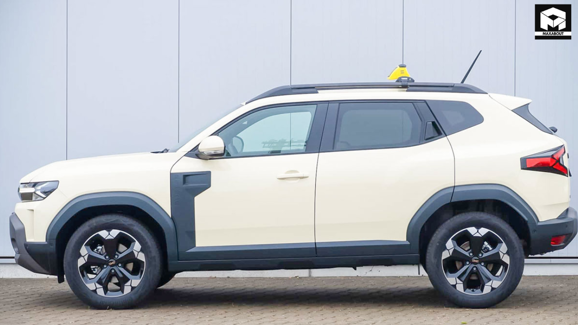
Converting any vehicle for taxi use involves certain modifications to meet regulations and improve practicality. While specific details of this German conversion aren't fully documented, typical taxi conversions include:
Regulatory Requirements
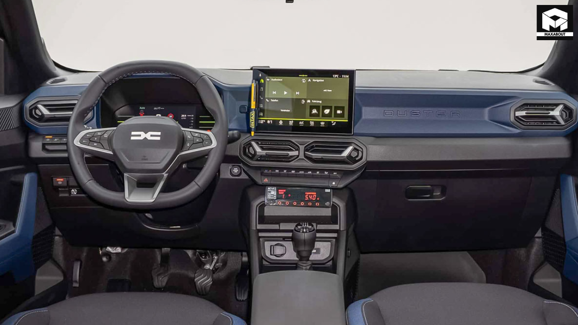
- Taxi meter installation with proper calibration
- Commercial vehicle registration and licensing
- Illuminated taxi signs and specific lighting
- Commercial insurance coverage
- Regular safety inspections (more frequent than private vehicles)
Practical Additions
Many taxi operators add aftermarket upgrades to improve durability and passenger experience:
- Heavy-duty floor mats and seat covers for easier cleaning
- Partition screens (though less common in Germany than some countries)
- Enhanced interior lighting
- Mobile payment terminals and communication systems
- Additional USB charging ports for passengers
What This Means for the Duster's Reputation
I find this taxi conversion significant beyond just one vehicle in Germany. It demonstrates real-world confidence in the Duster's capabilities.
Changing Perceptions
Dacia has worked hard to shed its image as purely a budget brand. The new-generation Duster shows improved build quality, better technology integration, and more refined driving dynamics compared to earlier models.
When a taxi operator – someone whose livelihood depends on vehicle reliability – chooses a Duster, it sends a message. These folks can't afford frequent breakdowns or excessive downtime. They need vehicles that simply work, day after day.
Commercial Vehicle Potential
The success of this taxi conversion could inspire other commercial applications. Delivery services, rental fleets, and corporate transport pools all seek the same basic attributes: reliability, efficiency, and low operating costs.
The Duster's combination of SUV practicality with car-like running costs fills a niche that's often overlooked. Not everyone needs a premium brand badge when the fundamentals are solid.
Comparing Taxi-Suitable SUVs
How does the Duster stack up against other SUVs that could theoretically serve taxi duty? Let me put this in perspective:
The Competition
Few SUVs genuinely make sense for taxi operations. Most are either too expensive, too thirsty, or both. But here are some alternatives:
- Skoda Kamiq: More expensive but premium badge, good efficiency, slightly better interior
- Nissan Juke: Similar price range but less space, questionable styling for professional use
- Suzuki Vitara: Compact and efficient but smaller overall than Duster
- Hyundai Kona: Good warranty but higher purchase price
None of these alternatives quite match the Duster's combination of low cost, decent space, and proven durability. The Skoda comes closest but costs significantly more upfront.
Could This Work in Other Markets?
Germany's taxi experiment with the Duster raises an interesting question: would this translate to other countries?
Market-Specific Considerations
The viability depends heavily on local conditions. In India, for example, the Duster has been available for years and some operators have used it for tourist transport. The higher ground clearance helps with rough roads, and the space accommodates luggage for airport transfers.
In Middle Eastern markets where Duster is sold (as Renault Duster), the air conditioning performance and heat tolerance would be crucial. Reports from these regions suggest the Duster handles extreme temperatures reasonably well, though fuel efficiency suffers in constant air-con use like any vehicle.
The European Advantage
Germany specifically offers ideal conditions for efficient Duster operation: well-maintained roads, moderate climate, readily available service infrastructure, and fuel prices that reward efficiency. These factors combine to make this taxi conversion particularly viable.
Lessons for Regular Buyers
What can everyday Duster shoppers learn from this taxi conversion? Quite a bit, actually.
Real-World Validation
If the Duster can handle the punishment of taxi duty while maintaining good fuel economy, it'll certainly handle your weekend adventures and daily commute. This isn't just marketing speak – it's proven in arguably the most demanding consumer use case.
TCO Matters More Than Badge
We often get caught up in brand prestige, but total cost of ownership matters more for most people's wallets. The Duster offers transportation that's genuinely affordable to buy, run, and maintain. For families on a budget who need SUV practicality, that's a compelling value proposition.
Efficiency Is Achievable
That 22 km/l figure shows what's possible with modern engine technology and sensible driving. While you might not match it in city-only driving, knowing the efficiency ceiling is that high gives confidence that real-world economy will be respectable.
Frequently Asked Questions
Is the Dacia Duster reliable enough for high-mileage taxi use?
Based on European user reports and industry feedback, the Duster demonstrates good reliability when properly maintained. The mechanicals are proven Renault-Nissan components used across multiple models. Regular servicing is crucial for any high-mileage vehicle, but the Duster doesn't show unusual failure patterns. Parts availability across Europe is excellent, which minimizes downtime.
Can I realistically achieve 22 km/l in a Duster?
That figure represents optimal conditions with the most efficient engine variant, likely involving significant highway driving and careful technique. More realistic averages for mixed driving typically range from 14-18 km/l depending on engine choice and conditions. City-heavy driving will be lower, while highway-focused use can approach or match that 22 km/l figure.
What's the maintenance cost difference between Duster and premium taxi vehicles?
Service costs for the Duster typically run 30-50% lower than premium German brands. Parts are more affordable, service intervals are reasonable, and independent mechanics can work on them easily. Over 150,000 kilometers of taxi use, this adds up to thousands of euros in savings compared to premium alternatives.
Does the Duster have enough comfort for passengers?
For typical taxi journeys, the Duster provides adequate comfort. Rear seat space is decent for two adults comfortably, three in a pinch. Ride quality has improved in the new generation. It's not luxury-car smooth, but it's perfectly acceptable for airport transfers and city trips. The higher seating position that comes with SUV design is often appreciated by passengers.
Conclusion
This German taxi conversion isn't just a quirky story – it's a validation of what the Dacia Duster has always promised. Here's a vehicle that delivers genuine practicality without pretense or inflated costs.
The 22 km/l efficiency figure grabs headlines, but the real story is broader. It's about a taxi operator making a calculated business decision that the Duster's combination of affordability, space, durability, and efficiency makes economic sense. When someone's livelihood depends on that calculation, it means something.
For the rest of us considering a Duster, this taxi conversion should be reassuring. If it can handle the rigors of commercial use while keeping running costs low, it'll certainly serve family duties reliably. The Duster has never tried to be something it's not. It's honest transportation that prioritizes function over flash.
In an automotive world increasingly obsessed with complexity and premium positioning, there's something refreshing about a vehicle that just works. The German taxi Duster proves that sometimes, simple done well beats complicated done average. And at 22 km/l while hauling passengers and luggage day after day? That's not just simple – that's smart.
No comments yet
Be the first to share your thoughts!
Want to read more automotive news?
Stay updated with the latest car launches, reviews, and industry insights.
Browse All News