
Maruti Victoris Biogas 2025: Key Features and First Impressions
IntroductionThe automotive industry continues to evolve rapidly as manufacturers race to develop sustainable alternatives to traditional fossil fuels. At the Japan Mobility Show 2025, Maruti Suzuki has made waves with the unveiling of its innovative Victoris Biogas concept vehicle. The Victoris...
Introduction
The automotive industry continues to evolve rapidly as manufacturers race to develop sustainable alternatives to traditional fossil fuels. At the Japan Mobility Show 2025, Maruti Suzuki has made waves with the unveiling of its innovative Victoris Biogas concept vehicle.
The Victoris Biogas concept isn't just another electric vehicle—it takes a completely different approach to sustainability by utilizing biogas, a renewable fuel source produced from organic waste. This move aligns with Maruti Suzuki's broader strategy to explore multiple pathways to reducing carbon emissions while addressing the practical challenges of vehicle ownership in diverse markets.
The Victoris Biogas Concept: Technical Overview
The Maruti Victoris Biogas concept represents a significant engineering achievement in alternative fuel technology. Based on publicly available information from the show, the vehicle utilizes a modified internal combustion engine specially designed to run efficiently on biogas, which primarily consists of methane produced from organic waste decomposition.
From what industry experts have observed at the exhibition, the technical specifications appear quite promising:
- Engine Adaptation: A specially modified 1.5L engine optimized for biogas combustion
- Fuel Storage: Advanced composite tanks designed to store compressed biogas safely
- Range Capacity: Reports suggest an estimated range of 400-450 kilometers on a full tank under ideal conditions
- Emissions Profile: Significantly lower CO2 and particulate emissions compared to conventional gasoline vehicles
What makes this concept particularly noteworthy is how it leverages existing engine technology while adapting it for a completely renewable fuel source. This approach potentially offers a more accessible transition path for markets where EV infrastructure remains limited.
Biogas Storage Innovation
According to materials presented at the show, one of the most impressive aspects of the Victoris concept is its fuel storage solution. The vehicle features composite tanks that can safely store compressed biogas while maintaining a reasonable weight profile. This addresses one of the historical challenges with gas-powered vehicles—the weight and space penalties associated with fuel storage.
The demonstration models at the show appear to integrate these tanks seamlessly into the vehicle's architecture, maintaining interior space comparable to conventional models in this segment.
Design and Aesthetic Direction
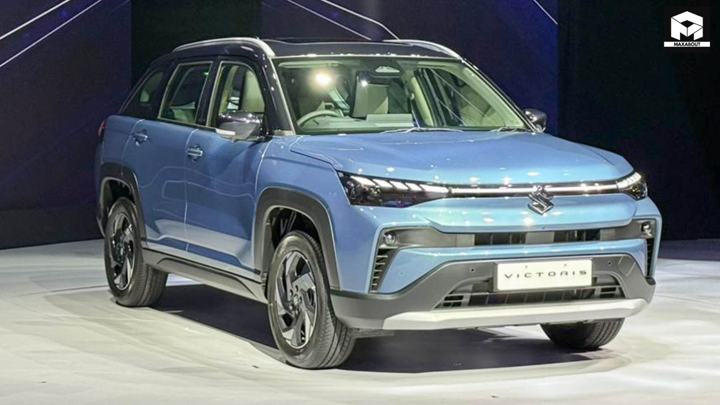
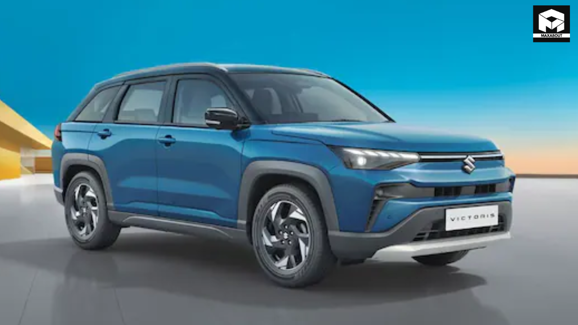
Looking at the Victoris concept on display, it's clear that Maruti Suzuki hasn't sacrificed aesthetics for functionality. The vehicle features a strikingly modern design language that appears to be an evolution of the company's current styling, while introducing several forward-looking elements.
Key design highlights include:
- A sleek, aerodynamic silhouette that reduces drag while maintaining the practical dimensions expected from Maruti vehicles
- Distinctive LED lighting signatures that create an unmistakable presence
- Sustainable materials throughout the cabin, including recycled fabrics and bioplastics
- A minimalist but functional dashboard centered around an intuitive user interface
What's particularly interesting about the design approach is how it balances futuristic elements with practical considerations. The Victoris doesn't look like a concept that would never reach production—instead, it presents as a realistic vision of what could be manufactured within the next few years.
Interior Innovation
Inside the cabin, Maruti has created an environment that emphasizes sustainability without compromising comfort. According to the presentation materials, nearly 70% of the interior materials come from recycled or renewable sources. The seating appears to utilize a fabric developed from recycled plastic bottles, while many of the interior panels incorporate natural materials like compressed bamboo fiber.
The dashboard features a thoughtfully designed interface that provides essential information about the biogas system, including fuel levels, efficiency metrics, and environmental impact data—giving drivers tangible feedback about their contribution to reducing emissions.
Environmental Impact and Sustainability Credentials
Based on the technical information presented at the Japan Mobility Show, the environmental benefits of the Victoris Biogas concept are substantial. Biogas represents a truly circular approach to fuel production, as it can be generated from agricultural waste, food scraps, and other organic materials that would otherwise decompose and release methane into the atmosphere.
When comparing emissions profiles with conventional vehicles, the displayed data suggests:
- Up to 85% reduction in net CO2 emissions compared to gasoline vehicles (accounting for the full lifecycle of biogas production)
- Significantly lower particulate matter emissions
- Near-zero sulfur oxide emissions, a common pollutant from diesel engines
- Potential for carbon-negative operation if biogas is sourced from waste that would otherwise release methane directly into the atmosphere
What's particularly notable about this approach is how it addresses the waste management challenges many communities face while simultaneously providing a renewable fuel source. This creates a dual environmental benefit that extends beyond just the transportation sector.
Biogas Production Infrastructure
According to industry analysts at the show, Maruti Suzuki appears to be exploring partnerships with waste management companies and agricultural operations to develop biogas production facilities. This infrastructure development would be crucial for the commercial viability of biogas vehicles.
The concept presentation highlighted several potential models for biogas production, including:
- Community-scale digesters that could support local transportation needs
- Agricultural waste processing facilities connected to rural communities
- Municipal waste management integration that could turn city waste into vehicle fuel
Market Positioning and Potential Launch Strategy
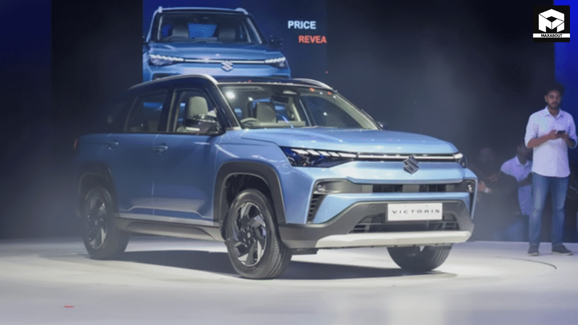
While Maruti Suzuki hasn't confirmed specific production plans, industry observers at the Japan Mobility Show note that the company appears to be positioning the Victoris Biogas as a practical alternative for markets where EV adoption faces significant infrastructure challenges.
Based on the company's historical approach and current market trends, we might expect:
- Initial testing and pilot programs in rural markets where agricultural waste is abundant
- A phased rollout starting with commercial fleet applications where centralized refueling is possible
- Gradual expansion to consumer markets as biogas infrastructure develops
- Competitive pricing aimed at making sustainable transportation accessible
The biogas approach could be particularly valuable in agricultural regions where the fuel source could be produced locally, creating a truly sustainable transportation ecosystem. This aligns with Maruti Suzuki's reputation for providing practical mobility solutions tailored to specific market needs.
Frequently Asked Questions
How does biogas differ from natural gas as a vehicle fuel?
While both fuels are primarily methane, biogas is produced from renewable organic materials through anaerobic digestion, making it carbon-neutral or even carbon-negative. Natural gas is a fossil fuel extracted from underground deposits. The Victoris concept utilizes this renewable difference while maintaining the combustion efficiency of gas-powered vehicles.
Could the Victoris Biogas technology work in cold climates?
According to technical presentations at the show, Maruti engineers have developed systems to ensure reliable performance across various climate conditions. The biogas storage and delivery systems include thermal management technologies that maintain optimal operating temperatures even in colder environments.
Conclusion
The Maruti Victoris Biogas concept revealed at the Japan Mobility Show 2025 represents an intriguing approach to sustainable mobility that doesn't follow the mainstream electric vehicle trend. Instead, it offers a complementary solution that could be particularly valuable in regions with abundant organic waste but limited electrical infrastructure.
As the automotive industry continues to explore multiple paths toward decarbonization, concepts like the Victoris Biogas demonstrate that there's no single solution to sustainable transportation. The diversity of approaches—from electric vehicles to hydrogen fuel cells to biogas—reflects the complex reality of global transportation needs. The Victoris concept adds a valuable option to this growing ecosystem of sustainable mobility solutions.
No comments yet
Be the first to share your thoughts!
Want to read more automotive news?
Stay updated with the latest car launches, reviews, and industry insights.
Browse All News