

Maruti Fronx Flex Fuel India Launch 2026: What to Expect
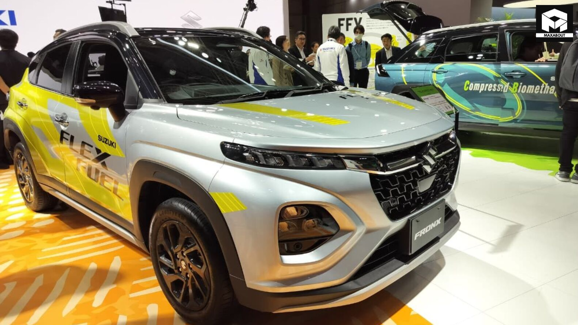
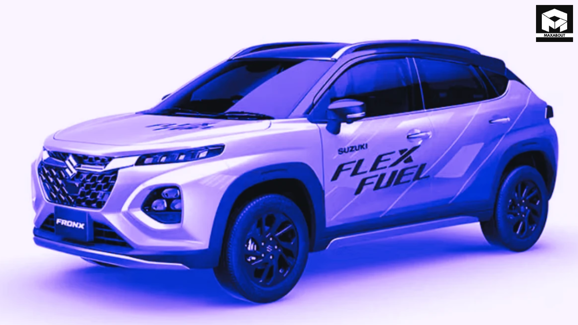
IntroductionMaruti Suzuki, India's largest automaker, is reportedly planning to introduce a flex-fuel variant of its popular crossover, the Fronx, with an expected launch timeline of 2026. This move aligns perfectly with the government's push toward alternative fuel adoption and the national ethanol...
Introduction
Maruti Suzuki, India's largest automaker, is reportedly planning to introduce a flex-fuel variant of its popular crossover, the Fronx, with an expected launch timeline of 2026. This move aligns perfectly with the government's push toward alternative fuel adoption and the national ethanol blending program that aims to reduce India's dependency on fossil fuels.
Based on industry reports and Maruti's own public roadmap for alternative fuels, the Fronx flex-fuel variant represents a significant step in the company's diversification strategy. While I haven't personally tested a flex-fuel Maruti vehicle (since none exist in India yet), the technology itself has proven successful in markets like Brazil, where flex-fuel vehicles account for a majority of new car sales.
Understanding Flex Fuel Technology

Before diving into the specifics of the Fronx flex-fuel model, it's important to understand what flex-fuel technology actually entails. Flex-fuel vehicles (FFVs) are designed with engines and fuel systems capable of running on multiple fuel types or blends.
What Makes a Vehicle "Flex-Fuel"?
A flex-fuel vehicle can operate on gasoline, ethanol, or any blend of the two. The primary components that differentiate a flex-fuel vehicle from a conventional one include:
- Modified fuel sensors that can detect the ethanol-gasoline ratio
- Upgraded fuel lines and seals resistant to ethanol's corrosive properties
- Adapted engine control unit (ECU) that adjusts timing and fuel injection based on the fuel blend
- Reinforced internal engine components to handle ethanol's different combustion characteristics
These modifications enable the vehicle to automatically adapt to whatever fuel blend is in the tank, making it incredibly versatile for consumers in markets transitioning to higher ethanol blends.
Maruti Fronx Flex Fuel: Expected Specifications
While Maruti Suzuki hasn't released official specifications for the flex-fuel Fronx, we can make some educated projections based on the current model and industry standards for flex-fuel conversions.
Engine and Performance
The standard Fronx currently comes with multiple engine options, including a 1.0L BoosterJet turbo-petrol and a 1.2L naturally aspirated petrol engine. For the flex-fuel variant, industry experts suggest Maruti might adapt the 1.2L K-series engine first, as naturally aspirated engines typically require fewer modifications for ethanol compatibility.
According to automotive engineering principles, when converted to flex-fuel capability, we can expect:
- Slightly different power output depending on the ethanol-petrol blend used
- Potentially higher torque at lower RPMs when running on higher ethanol blends
- Marginally lower fuel efficiency with higher ethanol content (as ethanol has lower energy density)
- Reduced carbon emissions compared to pure gasoline operation
Fuel Economy Considerations
Based on data from markets where flex-fuel vehicles are common, we can anticipate approximately 7-10% lower fuel economy when running on E85 (85% ethanol) compared to pure gasoline. However, this is typically offset by the lower cost of ethanol-blended fuels in markets with developed ethanol infrastructure.
India's Push Toward Flex Fuel Adoption
The expected launch of the Fronx flex-fuel variant in 2026 aligns strategically with India's alternative fuel roadmap. The government has been actively promoting ethanol blending in petrol, with an accelerated target of achieving 20% ethanol blending (E20) by 2025-26.
Government Policies Supporting Flex Fuel
Several government initiatives are creating a favorable environment for flex-fuel vehicles:
- National Biofuel Policy - Updated in 2018 with an emphasis on ethanol production
- FAME India Scheme - While primarily focused on electric vehicles, it demonstrates the government's commitment to alternative powertrains
- Proposed tax benefits - Discussions about GST reductions for flex-fuel vehicles
- Ethanol infrastructure development - Expansion of production capacity and distribution networks
According to statements from the Ministry of Road Transport and Highways, the government is encouraging automakers to produce flex-fuel engines compatible with higher ethanol blends, creating a perfect market opportunity for vehicles like the Fronx flex-fuel.
Benefits and Challenges of the Fronx Flex Fuel
As with any emerging automotive technology, the Fronx flex-fuel model will come with both advantages and potential challenges for consumers and the manufacturer.
Anticipated Benefits
Based on data from established flex-fuel markets, owners of the Fronx flex-fuel could expect:
- Reduced emissions - Ethanol blends produce fewer greenhouse gases and particulate matter
- Potential cost savings - If government subsidies for ethanol continue as expected
- Energy security - Contributing to reduced dependence on imported crude oil
- Future-proof vehicle - Ability to adapt to changing fuel standards without modification
Potential Challenges
Some challenges that might need addressing include:
- Infrastructure development - The need for widespread availability of higher ethanol blends
- Initial higher cost - Flex-fuel vehicles typically cost more due to modified components
- Consumer education - Many buyers may not understand the benefits and operation of flex-fuel technology
- Performance variations - Slight differences in driving characteristics depending on fuel blend
From analyzing trends in Brazil and other markets where flex-fuel vehicles have succeeded, these challenges tend to diminish as adoption increases and the supporting ecosystem matures.
Maruti's Alternative Fuel Strategy
The Fronx flex-fuel is expected to be part of Maruti Suzuki's broader alternative fuel strategy, which appears to be taking a diversified approach rather than focusing solely on electric vehicles.
According to public statements from Maruti Suzuki executives, the company is pursuing multiple paths including:
- CNG technology - Already well-established in their lineup
- Mild hybrid systems - Featured in several current models
- Electric vehicles - With their first EV expected before the Fronx flex-fuel
- Flex-fuel technology - Starting with models like the upcoming Fronx variant
This multi-pathway approach seems prudent, especially given India's unique energy and infrastructure landscape, where a single solution may not be optimal for all regions and use cases.
Frequently Asked Questions
Will the Fronx flex-fuel model cost more than the standard version?
Based on pricing patterns in other markets, flex-fuel vehicles typically command a 3-7% premium over their standard counterparts due to the modified fuel system components and engine calibration. However, government incentives might offset some of this difference.
Can regular Fronx models be converted to flex-fuel?
Generally, aftermarket conversions to flex-fuel capability aren't recommended as they require significant modifications to fuel system components and engine management systems. It's more effective and reliable to purchase a purpose-built flex-fuel vehicle.
Will the Fronx flex-fuel have different maintenance requirements?
Flex-fuel vehicles typically require more frequent oil changes and fuel filter replacements when regularly running on high-ethanol blends. Maruti would likely adjust the service schedule accordingly.
How does ethanol blending affect vehicle performance?
Higher ethanol blends typically provide slightly more torque at lower RPMs but may result in a small reduction in peak horsepower. The difference is usually minimal in properly designed flex-fuel vehicles and may not be noticeable to average drivers.
Conclusion
The anticipated launch of the Maruti Fronx flex-fuel variant in 2026 represents an important development in India's journey toward sustainable transportation. As the government continues to promote ethanol blending and alternative fuel adoption, vehicles like the Fronx flex-fuel will play a crucial role in reducing fossil fuel dependency.
For consumers, the flex-fuel Fronx would offer versatility in a changing fuel landscape, potentially lower operating costs (depending on fuel pricing policies), and the satisfaction of a reduced environmental footprint. While challenges remain—particularly in infrastructure development and consumer education—the trajectory seems clear.
The automotive industry in India is clearly at an inflection point, with multiple alternative fuel pathways developing simultaneously. Maruti Suzuki's approach of pursuing flex-fuel technology alongside other solutions appears well-aligned with both market realities and national priorities. As we approach 2026, it will be fascinating to watch how this technology develops and how consumers respond to these new options.
Want to read more automotive news?
Stay updated with the latest car launches, reviews, and industry insights.
Browse All News