
Lexus LFA Electric Supercar: Performance & Specs Revealed
When I first heard Lexus was bringing back the LFA nameplate, I'll admit I had mixed feelings. The original LFA was one of those rare cars that defined an era—a naturally aspirated V10 masterpiece that took nearly a decade to develop and lost money on every unit sold. But here's the thing: Lexus did...
By Anjali Verma
Automotive Writer
When I first heard Lexus was bringing back the LFA nameplate, I'll admit I had mixed feelings. The original LFA was one of those rare cars that defined an era—a naturally aspirated V10 masterpiece that took nearly a decade to develop and lost money on every unit sold. But here's the thing: Lexus didn't build the LFA to make money. They built it to prove they could create something extraordinary.
Now they're doing it again, but this time with electrons instead of gasoline.
Why the LFA Name Matters
Let me be clear about something: reviving a legendary nameplate is risky business. Car manufacturers have learned this lesson the hard way multiple times. The original LFA wasn't just fast or expensive—it represented Lexus's philosophy of takumi craftsmanship taken to its absolute limit.
The 2010-2012 LFA featured a 4.8-liter V10 that revved to 9,000 rpm and produced one of the most intoxicating exhaust notes ever recorded. Only 500 units were produced, each hand-assembled over several months. That level of exclusivity and attention to detail set a benchmark that's difficult to replicate.
What Made the Original Special
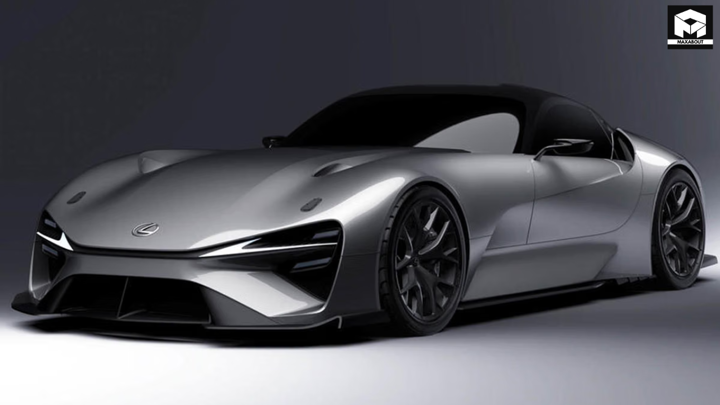
For those who might not remember or weren't following supercars back then, the original LFA was genuinely groundbreaking:
- Carbon fiber reinforced polymer chassis that was lighter than aluminum but stronger than steel
- Custom Yamaha-developed V10 engine with titanium valves and connecting rods
- Digital instrument cluster that could keep up with the engine's rapid rev changes
- Price tag around $375,000 when new, though values have appreciated significantly
- Development time of nearly 10 years with constant refinement and testing
These weren't just specifications on paper. Every element came together to create an experience that journalists and owners consistently describe as transcendent. That's a high bar for any successor to clear.
The Electric Supercar Landscape
Here's where things get interesting. The electric supercar segment is heating up fast, and Lexus is entering at a pivotal moment. We've already seen what Tesla can do with the Roadster promises, Rimac's Nevera has rewritten the performance record books, and Lotus is pushing boundaries with the Evija.
But there's a challenge that every electric supercar faces: creating emotional connection without traditional engine sound and mechanical drama.
Current Market Competition
The electric supercar space is becoming increasingly crowded. According to recent automotive industry reports, several manufacturers are targeting this premium segment:
- Rimac Nevera: 1,914 horsepower, 0-60 mph in 1.85 seconds, $2.4 million price point
- Lotus Evija: 2,000 horsepower target, extremely limited production
- Pininfarina Battista: 1,900 horsepower, Italian design heritage combined with electric power
- Tesla Roadster: Promised performance specs that seem almost impossible
What's notable here is that most of these vehicles focus primarily on straight-line performance and acceleration numbers. That's not what the original LFA was about.
What We Know About the Electric LFA
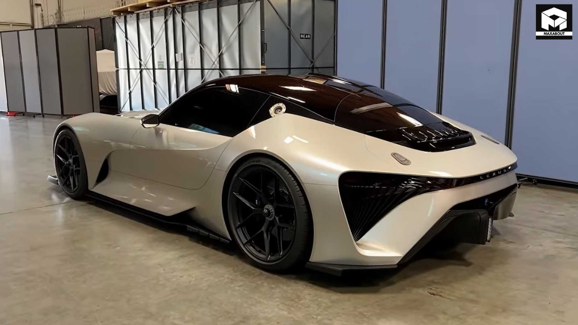
Based on publicly available information from Lexus and industry sources, here's what's been confirmed or strongly indicated about the upcoming electric LFA:
Platform and Architecture
Lexus has indicated they're developing a dedicated electric supercar platform rather than adapting an existing architecture. This makes sense—you can't just shoehorn batteries into a traditional supercar layout and expect magic to happen.
The company has been testing advanced battery technology through their racing programs and various concept vehicles. Reports suggest they're focusing on solid-state battery development, which could offer significant advantages in terms of weight, charging speed, and energy density.
Performance Targets
While specific numbers haven't been officially released, industry analysts suggest the electric LFA will likely target:
- Multiple electric motors for all-wheel drive capability
- Combined output potentially exceeding 1,000 horsepower
- Sub-3-second 0-60 mph acceleration (almost expected in this category now)
- Advanced torque vectoring for handling precision
- Range estimates around 200-250 miles for spirited driving
But here's what I find most intriguing: Lexus executives have emphasized that raw numbers aren't the primary focus. They're talking about driving feel, connection, and the overall experience. That's the right approach, in my view.
Design Philosophy
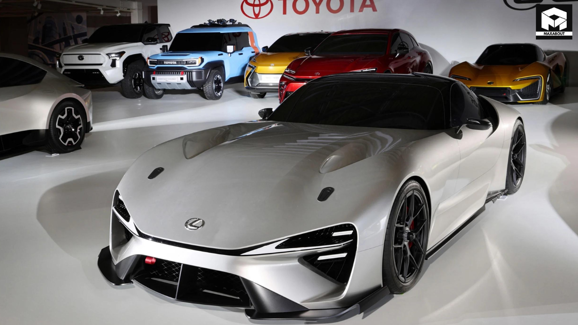
The original LFA had distinctive styling that was both aggressive and elegant. Early teasers and statements from Lexus designers suggest they're aiming to capture that same balance while embracing modern electric vehicle design requirements.
Electric vehicles need excellent aerodynamics for range and efficiency. But they also need cooling—contrary to popular belief, EVs generate substantial heat from motors, inverters, and battery packs during hard driving. Integrating these functional requirements while maintaining visual drama is no small challenge.
The Sound Problem—Or Is It?
Let's address the elephant in the room. The original LFA's V10 engine note was considered by many enthusiasts to be the best-sounding production car ever made. It was so important that Lexus hired musicians and acoustic engineers to tune the exhaust note.
Electric motors don't naturally produce that kind of auditory drama. Some manufacturers have tried synthesizing sounds, but the results often feel artificial and gimmicky.
Creating Emotional Connection Without Engine Sound
However, I think the focus on sound might be missing the bigger picture. The original LFA was special because of the complete package—the sound was one element, but so was the steering feel, the chassis response, the brake pedal feedback, and the overall precision.
Electric powertrains actually offer advantages for some of these elements:
- Instant torque response eliminates any delay between input and acceleration
- Lower center of gravity from floor-mounted battery packs improves handling dynamics
- Precise torque vectoring can enhance cornering behavior beyond what mechanical systems achieve
- Regenerative braking can be tuned to provide consistent pedal feel
If Lexus can nail these elements, the electric LFA might create its own form of driving excitement rather than trying to replicate the past.
Production and Availability Timeline
Based on statements from Lexus leadership and industry timelines, the electric LFA likely won't appear until 2026 or 2027 at the earliest. This extended development timeline actually mirrors the original LFA's prolonged gestation period.
Expected Production Numbers
While nothing has been confirmed officially, industry observers expect Lexus to maintain exclusivity similar to the original. That means limited production—possibly between 500 and 1,000 units globally over the production run.
This approach makes sense for several reasons:
- Maintains exclusivity and brand prestige
- Allows for hand-assembly and meticulous quality control
- Limits financial risk on what will likely be a money-losing halo vehicle
- Creates collector appeal from day one
Pricing Expectations
Here's where things get really interesting. The original LFA started around $375,000, which was considered expensive at the time. Today's electric supercars are pushing well beyond that threshold.
Industry analysts suggest the electric LFA could start somewhere between $500,000 and $750,000, depending on final specifications and market positioning. That might sound astronomical, but it's actually competitive within the electric supercar segment.
What This Means for Lexus
The decision to revive the LFA nameplate represents more than just adding another model to the lineup. It's a statement about Lexus's commitment to performance and engineering excellence in the electric era.
Halo Effect on the Brand
Halo vehicles typically don't make money directly, but they serve crucial purposes for luxury brands. The original LFA changed perceptions about Lexus. Before the LFA, many people saw Lexus as a brand that made comfortable but somewhat boring luxury vehicles. The LFA proved they could create something genuinely exciting.
The electric LFA could serve a similar purpose as Lexus transitions its entire lineup toward electrification. It demonstrates that electric doesn't mean compromising on performance or driving engagement.
Technology Showcase
Supercars have always been testing grounds for technology that eventually trickles down to mainstream models. The electric LFA will likely showcase:
- Advanced battery management systems
- Next-generation electric motor designs
- Lightweight materials and construction techniques
- Sophisticated thermal management solutions
- Cutting-edge aerodynamic innovations
These technologies won't appear in a $40,000 Lexus sedan next year, but elements of them could influence the brand's vehicles over the next decade.
Challenges Ahead
I'd be remiss if I didn't mention the significant challenges Lexus faces with this project. Building a worthy successor to an icon is difficult under any circumstances, but the shift from internal combustion to electric adds additional complexity.
Managing Expectations
Original LFA owners and enthusiasts have extremely high expectations. Some will never accept that an electric vehicle can match the experience of that V10 engine. Lexus needs to acknowledge this reality while also creating something that can stand on its own merits.
The key is not trying to recreate the original LFA with batteries. It's about capturing the same spirit of meticulous engineering and driver focus in a new form.
Technical Hurdles
Electric supercars face unique engineering challenges. Battery weight is significant, and during track driving, power output can be limited by thermal constraints. The original LFA could be driven hard for extended sessions without significant performance degradation. Matching that consistency with electric powertrains requires sophisticated battery and motor cooling systems.
Reports from various track testing of current electric performance vehicles suggest that heat management remains one of the biggest challenges. Lexus will need to solve this if the electric LFA is going to be a genuine driver's car rather than just a drag strip hero.
Frequently Asked Questions
When will the electric Lexus LFA be released?
Based on industry timelines and Lexus's development cycle, the electric LFA likely won't reach production until 2026 or 2027. The company hasn't announced an official release date yet.
How much will the new LFA cost?
While pricing hasn't been confirmed, industry analysts expect the electric LFA to start between $500,000 and $750,000, positioning it competitively within the electric supercar segment.
Will it sound like the original LFA?
No, electric motors don't produce the same exhaust note as the original V10 engine. However, Lexus has indicated they're focusing on overall driving experience rather than trying to artificially recreate engine sounds.
How many will be produced?
Official production numbers haven't been announced, but expect limited production similar to the original—likely between 500 and 1,000 units globally to maintain exclusivity.
What performance can we expect?
While official specifications haven't been released, industry expectations include multiple electric motors producing over 1,000 combined horsepower, sub-3-second 0-60 mph acceleration, and advanced torque vectoring systems.
Conclusion
The revival of the Lexus LFA nameplate for an electric supercar is bold, risky, and potentially brilliant. The automotive industry is at a crossroads where electrification is inevitable, but the formula for creating genuinely engaging electric performance cars is still being written.
Lexus has an opportunity here to demonstrate that electric vehicles can deliver the kind of precision, excitement, and emotional connection that made the original LFA legendary. They're not trying to build the fastest electric car—plenty of companies are chasing that crown. Instead, they seem focused on building the most engaging one.
Will purists ever fully accept an electric LFA? Probably not, and that's okay. The original LFA faced skepticism too when it was first announced. People questioned whether Lexus could build a true supercar. Then they drove it, and the debate ended.
I suspect the electric LFA will follow a similar trajectory. There will be initial skepticism, debates about whether it's a "real" LFA, and arguments about whether electric vehicles can truly be driver's cars. But if Lexus approaches this project with the same obsessive attention to detail and uncompromising commitment to driving dynamics that defined the original, those arguments will fade once people experience it.
The LFA nameplate carries immense weight and expectation. Lexus knows this, which is precisely why they're taking their time and presumably sparing no expense in development. They only get one chance to get this right, and based on their track record with the original, I'm cautiously optimistic they understand what's at stake.
The future of performance cars is electric—that's no longer a question. The question is whether they can be as special, as memorable, and as emotionally engaging as the icons they replace. The electric Lexus LFA will be one of the most important answers to that question.
No comments yet
Be the first to share your thoughts!
Want to read more automotive news?
Stay updated with the latest car launches, reviews, and industry insights.
Browse All News