
KTM Ends KISKA Design Partnership: What It Means for Indian Riders
The End of an Era: KTM and KISKA Part WaysIn a significant development that's sending ripples through the motorcycle industry, KTM has concluded its decades-long partnership with KISKA, the design studio that gave us the sharp, aggressive styling we've come to associate with modern KTM motorcycles. ...
Editorial Team
The End of an Era: KTM and KISKA Part Ways
In a significant development that's sending ripples through the motorcycle industry, KTM has concluded its decades-long partnership with KISKA, the design studio that gave us the sharp, aggressive styling we've come to associate with modern KTM motorcycles. This partnership, which began in the late 1980s, has been instrumental in shaping everything from the entry-level 125 Duke to the mighty 1290 Super Duke.
For Indian motorcycle enthusiasts, this change is particularly noteworthy. Since 2007, when Bajaj Auto first partnered with KTM, we've seen the Austrian brand transform from a premium European manufacturer to a mainstream performance motorcycle maker in India. The KISKA-designed Duke series, manufactured at Bajaj's Chakan facility, has become a common sight on Indian roads.
The decision comes as part of Bajaj Auto's broader restructuring efforts following its recent acquisition of KTM's holding company. Moving forward, KTM will establish its own in-house design center in Salzburg, bringing the creative process closer to home. This transition marks more than just a business decision - it's the end of a creative partnership that defined KTM's distinctive visual DNA for over 30 years.
What this means for Indian buyers:
Future KTM models will likely showcase new design directions
The transition period might affect upcoming model launches
Bajaj's increased control could lead to more India-focused designs
KISKA's Design Legacy in India: From Duke to Adventure
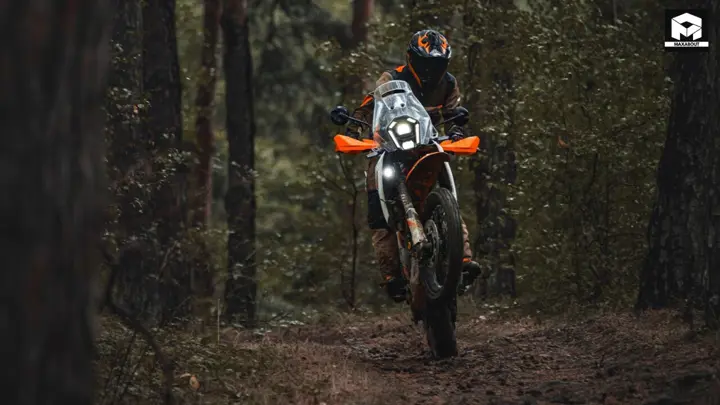 KISKA's influence on KTM's design language has been particularly evident in India, where models like the Duke series revolutionized the premium motorcycle segment. The design agency crafted KTM's signature sharp, aggressive styling that perfectly matched the brand's "Ready to Race" philosophy.
When the 390 Duke first arrived in India in 2013, its angular bodywork and exposed trellis frame created an entirely new aesthetic benchmark. The distinctive headlight design, razor-sharp tank extensions, and minimalist tail section became instantly recognizable on Indian roads. KISKA's work went beyond mere styling - they created a complete design language that conveyed performance and precision.
Notable KISKA-Designed Models in India
The Adventure series, especially the 390 Adventure, showcases how KISKA adapted KTM's aggressive styling to different motorcycle categories. Their ability to maintain brand identity while creating purpose-built designs helped KTM establish strong market presence across segments.
Key Design Elements from KISKA Era:
Split LED headlamp design that became a KTM signature
Sharp body panels with minimal mass
Bold use of KTM's orange color palette
Exposed mechanical components as styling elements
KISKA's influence extended beyond just motorcycles - they shaped everything from showroom designs to rider gear, creating a cohesive brand experience that resonated strongly with Indian enthusiasts. Their work helped position KTM as a premium European brand that delivered both performance and distinctive styling.
Bajaj Auto's Role in KTM's Design Future
The end of KTM's partnership with KISKA marks a significant shift in the company's design direction, coming directly from Bajaj Auto's strategic restructuring after taking control. According to recent announcements, KTM plans to establish its own in-house design center in Salzburg, bringing the creative process closer to home.
As someone who's followed the Indian motorcycle industry closely, I believe this move reflects Bajaj Auto's pragmatic approach to business. The company has consistently demonstrated its ability to balance cost efficiency with premium positioning, as we've seen with the KTM models manufactured at their Pune facility.
What This Means for Indian Riders
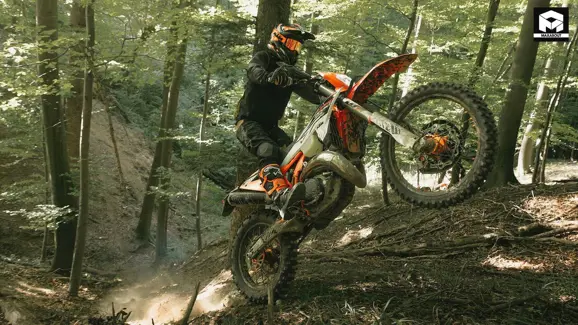
For the Indian market, this restructuring could lead to more locally-influenced design decisions. While KTM's core DNA will likely remain unchanged, we might see:
Better integration of features suited to Indian riding conditions
More efficient production processes at the Chakan plant
Potentially faster product development cycles
However, it's crucial to note that Bajaj Auto's leadership has consistently emphasized maintaining KTM's European engineering excellence. From my perspective, this suggests we'll see an evolution rather than a revolution in KTM's design language, with the brand's distinctive character remaining intact while becoming more cost-effective to produce.
Impact on Future KTM Models in India
For Indian motorcycle enthusiasts, this transition could bring some interesting changes. With KTM's new in-house design center working more closely with Bajaj Auto, I expect we'll see more models specifically tailored to Indian riding conditions. The current Duke and Adventure series, while excellent, sometimes feel overengineered for our urban environments.
Based on recent industry developments, here's what I anticipate for future KTM models in India:
More practical ergonomics suited to shorter riders - something many Indian customers have requested
Better heat management systems designed for our traffic conditions
Refined suspension setups that better handle our road surfaces
Potentially more competitive pricing due to streamlined design-to-production workflow
The first models likely to showcase these changes will be the next-generation Duke series, expected around late 2026. I'm particularly interested in how they'll balance KTM's signature aggressive styling with improved everyday usability. The current 390 Duke, while brilliant on smooth highways, can be challenging in dense urban traffic.
What's especially promising is that this restructuring could reduce the time gap between international and Indian launches. Currently, we often wait 6-8 months after global debuts - this might shrink significantly.
The Future of KTM Design
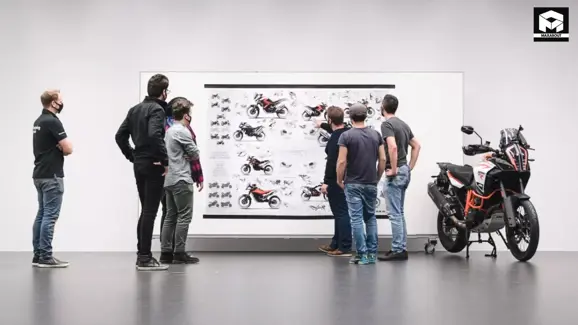
According to recent announcements from KTM, the new in-house design center in Salzburg represents a strategic shift in their approach to motorcycle development. Based on [autocarindia.com](https://www.autocarindia.com/bike-news/ktm-ends-partnership-with-long-time-design-agency-kiska-439069) reports, this change comes as part of Bajaj Auto's broader restructuring efforts following their acquisition.
I believe this transition could bring exciting developments for the Indian market. With Bajaj's strong understanding of local requirements and KTM's performance DNA, we might see designs that better balance aggressive styling with practical features suited to our conditions.
Key Design Direction Changes
The new design center will likely focus on three core areas:
Closer integration between engineering and design teams
Faster prototype-to-production cycles
Market-specific adaptations, especially for emerging markets
Looking at the recently updated 790 Duke revealed in February 2026, we can already see hints of this new design philosophy. The bike maintains KTM's sharp aesthetics while incorporating more practical elements. This suggests that future models might offer better ergonomics and everyday usability without sacrificing the brand's distinctive look.
The timing of this transition is particularly interesting as KTM prepares to launch several new models in India. With design and development now under one roof, we might see more India-focused features in upcoming releases.
Impact on KTM's Market Position in India
As someone who's followed the Indian motorcycle market for years, I believe this design shift could significantly strengthen KTM's position in our market. The brand already enjoys strong recognition among performance enthusiasts, but the in-house design approach could help address some key challenges.
Currently, KTM faces stiff competition from Japanese manufacturers like Suzuki and Honda in the 250-400cc segment. The main consumer complaints I've heard often center around aggressive ergonomics that, while great for sporty riding, can be challenging in Indian urban conditions. An in-house design team might better understand these market-specific needs.
The new arrangement could also affect pricing strategy. The current KTM 390 Duke at ₹3.15 lakh sits in a highly competitive space. By bringing design in-house, KTM might achieve better cost control, though it's too early to predict if these savings will reach customers.
What's particularly promising is Bajaj Auto's increased influence in the design process. Their deep understanding of Indian riding conditions, combined with KTM's performance DNA, could lead to products that better balance excitement with practicality. We're already seeing hints of this approach in the latest 390 Adventure's more accessible ergonomics.
However, the real test will be how quickly these changes reflect in new models and whether they can maintain KTM's distinctive character while becoming more India-friendly.
No comments yet
Be the first to share your thoughts!
Want to read more automotive news?
Stay updated with the latest car launches, reviews, and industry insights.
Browse All News