
Hyundai’s Flexible Powertrain Strategy Compared 2025
The Powertrain Playground That Changes EverythingHere's something that caught my attention: Hyundai's decided their entry-level Venue should offer more powertrain choices than vehicles twice its price. That's bold. While competitors are betting everything on electric or stubbornly sticking with gas,...
By shawn john
Automotive Writer
The Powertrain Playground That Changes Everything
Here's something that caught my attention: Hyundai's decided their entry-level Venue should offer more powertrain choices than vehicles twice its price. That's bold. While competitors are betting everything on electric or stubbornly sticking with gas, Hyundai's playing chess when everyone else is playing checkers.
The Venue's becoming a real-world laboratory for what I call "powertrain democracy." Reports from international markets show Hyundai offering this compact SUV with traditional gas engines, hybrid systems, and even full electric variants depending on the region. It's like walking into an ice cream shop where vanilla comes in regular, low-fat, and dairy-free versions—everyone gets what works for them.
Why Multiple Powertrains Actually Make Sense
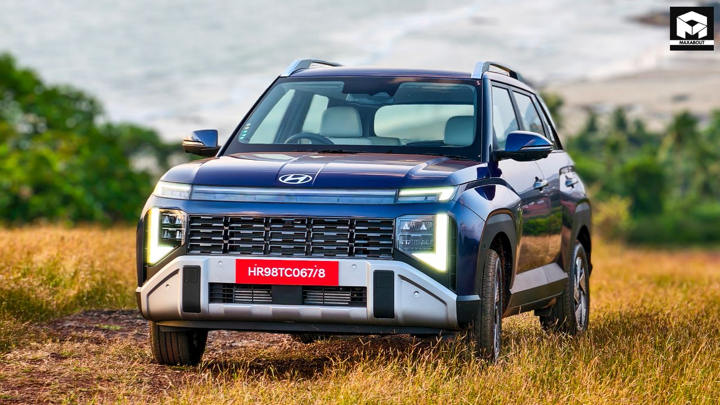
I'll be straight with you: this strategy initially seemed unnecessarily complicated. But the more I dug into it, the more brilliant it became.
Meeting Markets Where They Are
Different countries have wildly different infrastructure readiness. According to industry data, charging networks vary dramatically by region. Some markets have charging stations on every corner. Others? You'd have better luck finding a pay phone.
Hyundai's approach acknowledges this reality. They're not forcing electric on markets that aren't ready, and they're not denying clean options to customers who want them. That's smart product planning.
The Economics of Flexibility
Here's where it gets interesting from a manufacturing standpoint. By engineering the Venue's platform to accommodate multiple powertrains from the ground up, Hyundai's created enormous flexibility. Industry reports suggest this modular approach allows them to shift production based on demand without massive retooling costs.
Think about it like building a house with universal plumbing—whether you install a standard water heater or a fancy tankless system later, the infrastructure's ready.
The Three Flavors of Venue
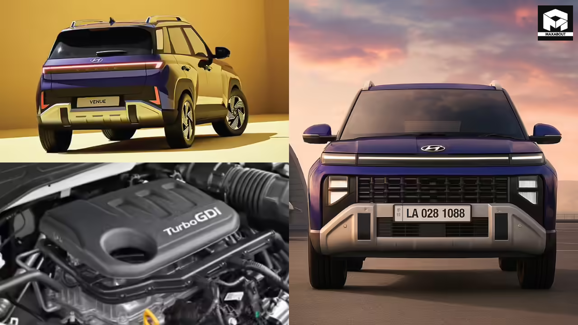
Let me break down what Hyundai's actually offering across different markets, because this gets fascinating.
The Traditional Gas Engine
The base Venue typically comes with a 1.0-liter or 1.2-liter turbocharged engine, depending on your market. These aren't powerhouses—we're talking roughly 100-120 horsepower in most configurations—but they're proven, affordable, and get solid fuel economy numbers.
For buyers who prioritize low purchase price and aren't ready to jump into electrification, this is their sweet spot. No range anxiety. No charging concerns. Just fill up and go.
The Hybrid Middle Ground
This is where things get really clever. Reports from markets like India suggest Hyundai's developing or deploying mild-hybrid and full-hybrid variants that boost efficiency without the full commitment of going electric.
From what I've seen in industry publications, these systems typically combine a small electric motor with the gas engine, providing extra torque when you need it and capturing energy during braking. You get better fuel economy—often 15-25% improvements over conventional engines—without changing your driving habits.
The Full Electric Experience
While not widely available yet, Hyundai's positioning the Venue to potentially go full EV in markets where it makes sense. Given that they've already mastered electric powertrains with the Kona Electric and Ioniq 5, extending that technology to the Venue is more about market readiness than technical capability.
An electric Venue would likely target urban buyers with short commutes and access to charging infrastructure—exactly the demographic that makes sense for a compact SUV.
What This Means for Buyers
Let's talk real-world impact, because strategy is meaningless if it doesn't benefit actual drivers.
Budget Flexibility
One powertrain strategy allows Hyundai to hit multiple price points within a single model line. The gas version stays affordable—typically the entry point for first-time SUV buyers. The hybrid commands a premium but pays you back through fuel savings. The potential electric version serves buyers ready to invest upfront for long-term operating cost reductions.
According to automotive market analysis, this tiered approach lets manufacturers capture customers across income levels without diluting their brand or creating entirely separate model lines.
Future-Proofing Your Investment
Here's something that doesn't get discussed enough: resale value. When a manufacturer commits to multiple powertrains in one platform, they're signaling long-term support. Parts availability, service training, software updates—these all get broader support when the model isn't a one-off experiment.
I've seen too many early adopters get burned on vehicles where the manufacturer lost interest after a year or two. Hyundai's multi-pronged approach suggests staying power.
The Challenges Nobody Talks About
It's not all sunshine and rainbows. This strategy comes with real complications.
Service Complexity
Dealer technicians need training on multiple systems. That's expensive and time-consuming. Forums and service reports indicate that smaller dealerships sometimes struggle when unusual powertrains roll in for service. Not every mechanic who's great with gas engines automatically knows hybrid or electric systems.
Inventory Management Headaches
Imagine you're a dealer trying to stock the right mix of gas, hybrid, and potentially electric Venues. Get it wrong, and you're sitting on inventory that isn't moving while customers want configurations you don't have. It's a logistics puzzle that requires sophisticated demand forecasting.
Consumer Confusion
More choices mean more decisions. Some buyers get paralyzed when faced with multiple powertrain options. They need education, comparison tools, and patient salespeople—not always easy to find at every dealership.
How This Stacks Against the Competition
Let me put this in context. Most competitors in the compact SUV space stick with one or maybe two powertrain options.
Take the Nissan Kicks—gas only in most markets. The Mazda CX-30 offers gas engines with varying outputs but no hybrid option in many regions. Even Toyota, the hybrid king, typically makes you choose between their gas or hybrid models rather than offering both under one nameplate in the same market.
Hyundai's betting that flexibility is the killer feature. Instead of saying "here's what we think you need," they're asking "what works for your situation?" That's customer-centric thinking, and it's refreshing.
What Industry Insiders Are Saying
According to automotive industry analysts, this multi-powertrain approach represents a transitional strategy during the shift toward electrification. Rather than making sudden, jarring changes that alienate existing customers, manufacturers can gradually guide consumers toward cleaner technologies while maintaining options for those who aren't ready.
Market research suggests consumers appreciate choice, but they also value simplicity. The key is making the decision process clear without overwhelming buyers. Hyundai seems to understand this balance better than most.
The Road Ahead
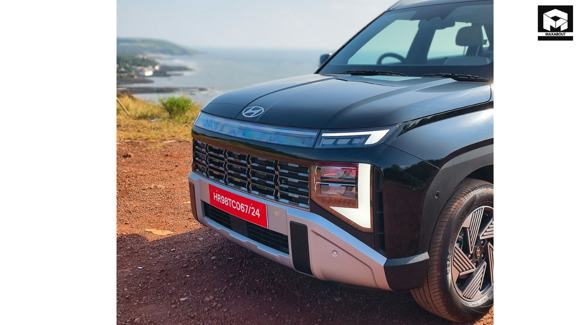
Where does this strategy go from here? Based on industry trends and Hyundai's recent moves, I see a few likely scenarios.
Regional Customization Gets Smarter
Expect Hyundai to get increasingly sophisticated about which powertrains they offer where. Data analytics and sales patterns will drive decisions about which markets get which options. Some regions might see gas and hybrid. Others might get hybrid and electric. The days of one-size-fits-all global launches are ending.
Technology Trickles Down Faster
Premium features typically debut in expensive vehicles, then gradually migrate to affordable ones. By putting advanced powertrain options in their entry-level Venue, Hyundai's accelerating this process. That benefits everyone by democratizing technology faster.
Competitors Will Follow
If this strategy succeeds—and early indicators suggest it's working—expect other manufacturers to copy it. We might see Ford offering multiple powertrain EcoSports, or Chevrolet doing the same with the Trailblazer. Competition breeds innovation, and that's great for consumers.
Frequently Asked Questions
Does the Venue come with all powertrain options in every market?
No, availability varies significantly by region. Some markets only get gas engines, while others may offer hybrid options. Always check with local dealers for available configurations in your area.
Is the hybrid Venue worth the extra cost?
That depends on your driving habits and fuel prices in your region. Generally, hybrid variants make financial sense if you drive frequently in stop-and-go traffic where the electric motor provides maximum benefit. Calculate your annual fuel consumption to determine the payback period.
Will an electric Venue match the range of larger EVs?
Electric variants, where available, typically prioritize urban driving over long-range capability. Expect ranges suitable for daily commuting rather than cross-country trips—usually in the 200-250 mile range based on similar compact EV platforms.
Are parts readily available for all powertrain types?
Gas engine parts are typically most accessible given their widespread use. Hybrid and electric components may require ordering in smaller markets, though Hyundai's global supply chain generally ensures reasonable availability for officially-sold configurations.
How does warranty coverage differ between powertrains?
Hyundai typically offers extended warranties on hybrid and electric components beyond their standard coverage. Battery packs often come with 8-10 year warranties in markets where they're sold, but always verify specific terms with your dealer.
Conclusion: Choice as a Feature
Hyundai's multi-powertrain Venue strategy is more than clever marketing—it's a fundamental rethinking of how automakers meet diverse customer needs. Instead of forcing consumers into predetermined boxes, they're acknowledging that different drivers have different requirements, budgets, and readiness levels for new technology.
This approach won't work for every manufacturer or every model. It requires engineering sophistication, manufacturing flexibility, and dealer network competence. But for buyers, it's genuinely exciting. You're not stuck with whatever powertrain the manufacturer decided was "right" for everyone. You get actual choice.
As the automotive industry navigates the messy transition from internal combustion to electrification, strategies like Hyundai's Venue multi-powertrain approach might just be the bridge we need. Not everyone's ready to jump straight to electric. Not everyone wants to stay with pure gas. Having options in between? That's how you bring everyone along for the ride.
And honestly, that's what the industry needs more of—flexibility, choice, and respect for the fact that different people are at different places in their automotive journey. Hyundai gets that. The Venue proves it.
No comments yet
Be the first to share your thoughts!
Want to read more automotive news?
Stay updated with the latest car launches, reviews, and industry insights.
Browse All News