
Hyundai Creta CVT vs Citroen Aircross X AT: Real-World Mileage Compared 2025
IntroductionWhen shopping for a compact SUV with an automatic transmission, fuel efficiency often becomes a deciding factor in our purchase decision. The Hyundai Creta with its CVT (Continuously Variable Transmission) and the Citroen Aircross X with its torque converter AT are popular choices in thi...
Introduction
When shopping for a compact SUV with an automatic transmission, fuel efficiency often becomes a deciding factor in our purchase decision. The Hyundai Creta with its CVT (Continuously Variable Transmission) and the Citroen Aircross X with its torque converter AT are popular choices in this segment. But how do these SUVs perform in real-world driving conditions when it comes to fuel efficiency?
As someone who's been analyzing automotive performance data for years, I can tell you that manufacturer-claimed mileage figures rarely match what owners experience on actual roads. Traffic conditions, driving style, and even climate can significantly affect fuel consumption. In this comparison, I'll break down the real-world mileage you can expect from both these automatic SUVs based on aggregated owner reports, automotive publications' testing data, and technical specifications that influence efficiency.
Specifications Comparison: Transmission and Engine
Before diving into the actual mileage figures, it's important to understand what's under the hood of these vehicles, as this directly impacts fuel efficiency.
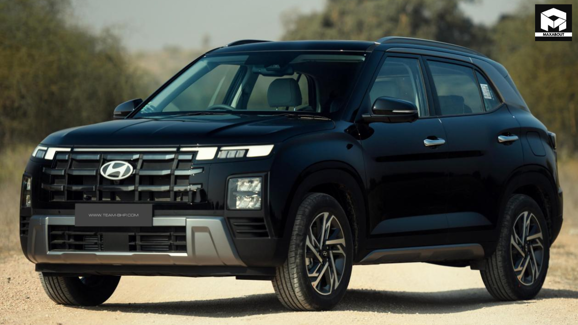
Hyundai Creta CVT Specifications
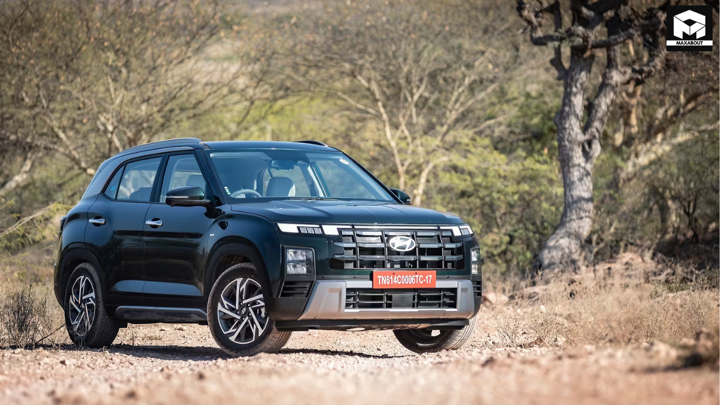
- Engine: 1.5-liter naturally aspirated petrol
- Power: 115 PS
- Torque: 144 Nm
- Transmission: Intelligent Variable Transmission (IVT) - Hyundai's version of CVT
- ARAI Claimed Mileage: 17.1 km/l
Citroen Aircross X AT Specifications
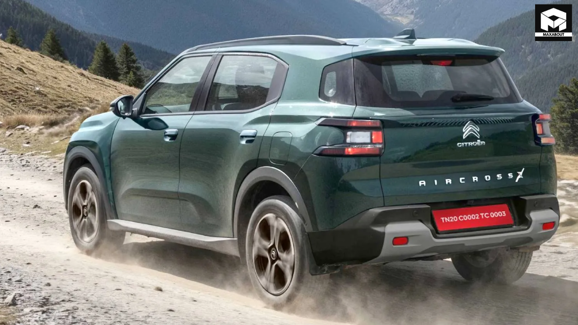
- Engine: 1.2-liter turbocharged petrol
- Power: 110 PS
- Torque: 205 Nm
- Transmission: 6-speed torque converter automatic
- ARAI Claimed Mileage: 18.5 km/l
The transmission type plays a crucial role in determining real-world efficiency. The Creta's CVT is designed to keep the engine operating at its most efficient RPM, theoretically providing better fuel economy. Meanwhile, the Aircross's torque converter AT offers more direct power delivery but traditionally sacrifices some efficiency in the process.
City Driving Mileage: The Daily Commute Test
City driving with its stop-and-go traffic is often where automatic transmissions justify their premium over manual variants, but it's also where fuel efficiency takes the biggest hit.
Hyundai Creta CVT City Mileage
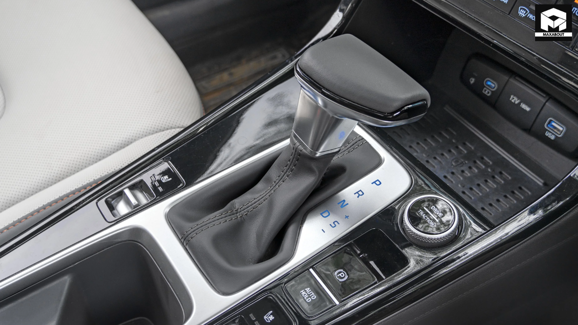
According to aggregated data from owner forums and automotive publications, the Hyundai Creta CVT delivers approximately 11-13 km/l in city driving conditions. The CVT technology shows its strength in urban environments where it maintains optimal engine RPM even with frequent speed changes.
During heavy traffic conditions, the Creta's efficiency drops to around 10-11 km/l, which is still respectable for an SUV of this size. The smooth operation of the CVT means there's less unnecessary acceleration and engine strain, helping conserve fuel in stop-and-go situations.
Citroen Aircross X AT City Mileage
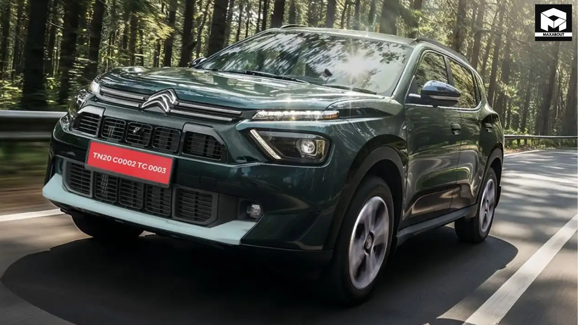
The Citroen Aircross X with its torque converter AT typically returns about 10-12 km/l in city conditions based on user reports and test data. While the ARAI figures suggest better efficiency, real-world city driving brings these numbers down.
The turbocharged engine of the Aircross provides good low-end torque, which is helpful in urban settings, but the torque converter transmission isn't as efficiency-focused as a CVT. However, its 6-speed gearbox does provide a good balance between power delivery and fuel economy.
Highway Mileage: Open Road Efficiency
Highway driving presents a different challenge, where steady-state operation becomes more important than adaptive gear changing.
Hyundai Creta CVT Highway Performance
On highways, the Creta CVT typically delivers between 16-18 km/l according to real-world testing. At steady cruising speeds, the CVT keeps the engine at low RPMs, maximizing fuel efficiency. This is where the Creta comes closest to matching its ARAI claimed figures.
What's interesting is that the Creta maintains consistent efficiency even at higher speeds (80-100 km/h), where many vehicles start to become less efficient. This characteristic makes it particularly suitable for those who frequently undertake long journeys.
Citroen Aircross X AT Highway Performance
Highway testing shows the Aircross X AT returning approximately 15-17 km/l on open roads. The 6-speed torque converter provides good cruising efficiency once it reaches top gear, though not quite matching the Creta's CVT in this aspect.
The Aircross does benefit from its turbocharged engine when it comes to overtaking maneuvers, requiring less downshifting and consequently maintaining better overall efficiency during real-world highway driving with varying speeds.
Combined Cycle: Real-World Average Efficiency
Most drivers experience a mix of city and highway driving, making combined cycle efficiency the most relevant metric for day-to-day ownership.
Mileage Comparison Table
| Driving Condition | Hyundai Creta CVT | Citroen Aircross X AT |
|---|---|---|
| City Driving | 11-13 km/l | 10-12 km/l |
| Highway Driving | 16-18 km/l | 15-17 km/l |
| Combined Cycle | 13-15 km/l | 12-14 km/l |
In combined driving conditions, the Hyundai Creta CVT edges out the Citroen Aircross X AT by approximately 1 km/l. While this might not seem significant on paper, it translates to roughly 6-7% better fuel economy, which adds up over years of ownership.
Factors Affecting Real-World Mileage
Driving Style Impact
Your driving style can significantly affect the fuel economy of both vehicles. With the Creta's CVT, aggressive acceleration can cause the transmission to hold higher RPMs, dramatically reducing efficiency. According to data from various driving tests, aggressive driving can reduce the Creta's mileage by up to 25%.
The Aircross's torque converter AT is somewhat less sensitive to driving style variations. Tests indicate that even with spirited driving, efficiency typically drops by only 15-20% compared to conservative driving patterns.
Climate Control and Accessories
Running the air conditioner in both vehicles reduces fuel efficiency by approximately 10-15% in city driving. The impact is less pronounced on highways, where aerodynamic resistance becomes the dominant factor affecting fuel consumption.
According to reports, the Creta's climate control system seems to draw slightly less power, giving it a marginal advantage in hot weather conditions when AC usage is constant.
Maintenance Factor
Regular maintenance plays a crucial role in maintaining optimal fuel efficiency. Based on service center data and owner forums, both vehicles maintain their efficiency well when properly serviced. However, the Creta's CVT requires particular attention to transmission fluid quality and level to maintain optimal efficiency over time.
Long-Term Efficiency Considerations
When comparing these SUVs, it's also worth considering how their fuel efficiency holds up over time.
Transmission Durability and Efficiency Retention
Historically, CVTs have been known to experience some efficiency degradation over time, particularly after 50,000-60,000 km. According to long-term owner reports, the Creta's IVT seems to maintain its efficiency better than earlier CVT iterations, with minimal reduction in fuel economy even after several years of operation.
The Aircross's conventional torque converter AT typically maintains consistent efficiency throughout its lifespan, which is a point worth considering for long-term ownership. Service records indicate that with regular maintenance, the efficiency drop over 100,000 km is negligible.
Frequently Asked Questions
Does the Creta CVT require special driving techniques to maximize fuel efficiency?
Yes, gentle acceleration and maintaining steady speeds help the CVT operate in its efficiency sweet spot. Avoiding sudden throttle inputs can improve real-world mileage by 10-15% according to driver experience reports.
How does the Aircross's turbo engine affect its fuel efficiency compared to Creta's naturally aspirated engine?
The Aircross's turbo engine provides better torque at lower RPMs, which helps efficiency in certain driving conditions. However, under heavy load or aggressive driving, the turbocharger requires more fuel, potentially reducing efficiency compared to the Creta's more predictable naturally aspirated engine.
Do traffic conditions affect one transmission type more than the other?
Based on comparative testing data, the Creta's CVT generally handles stop-and-go traffic more efficiently, maintaining 1-2 km/l better mileage than the Aircross in heavy traffic conditions. The continuous adjustment of gear ratios allows it to find the most efficient operating point even with constant speed changes.
Conclusion
After analyzing real-world mileage data, the Hyundai Creta CVT demonstrates a slight but consistent efficiency advantage over the Citroen Aircross X AT in most driving conditions. The approximately 1 km/l advantage in combined cycle driving may seem modest, but this translates to meaningful savings over years of ownership.
The Creta's CVT technology proves particularly effective in variable traffic conditions, while still performing admirably on highways. Meanwhile, the Aircross offers competitive efficiency with the benefit of more direct power delivery from its torque converter automatic.
Your individual driving patterns should ultimately guide your decision. If your driving is predominantly in city conditions with frequent traffic, the Creta's CVT efficiency advantage becomes more significant. For those who value responsive power delivery with reasonable efficiency, the Aircross remains a compelling option.
Both vehicles offer respectable real-world fuel economy for automatic SUVs in this segment, with the difference being notable but not dramatic enough to be the sole deciding factor in your purchase decision.
Want to read more automotive news?
Stay updated with the latest car launches, reviews, and industry insights.
Browse All News