
3 min read
214 views
Power and Torque Values of Honda CBR250RR Leaked!
Honda CBR250RR was unveiled way before Suzuki GSX250R debuted internationally but still, its power values were missing, giving the fans sleepless nights from a long time. The latest document leak by MoreBikes reveals a document which not just describes the power values but even fill the blanks relat...
Honda CBR250RR was unveiled way before Suzuki GSX250R debuted internationally but still, its power values were missing, giving the fans sleepless nights from a long time. The latest document leak by MoreBikes reveals a document which not just describes the power values but even fill the blanks related to its performance, weight and other dynamics. Here are those highly awaited missing values for this quarter liter sprinter.

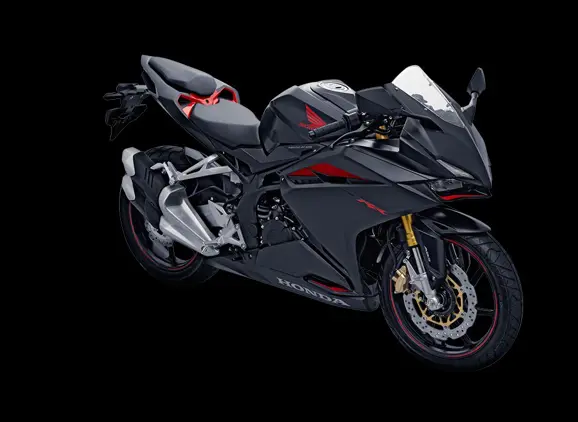 The bikes measures 2060 mm in length, 724 mm in width and 1098 mm in height. The wheelbase measures 1389 mm while it has a ground clearance of 145 mm. Seat height is easily assessable at 790 mm while the standard variant, without ABS weighs 165 kg. The fuel tank has a maximum capacity of 14.5 liters. It uses USD front forks and adjustable monoshock with aluminum swing arm at the rear.
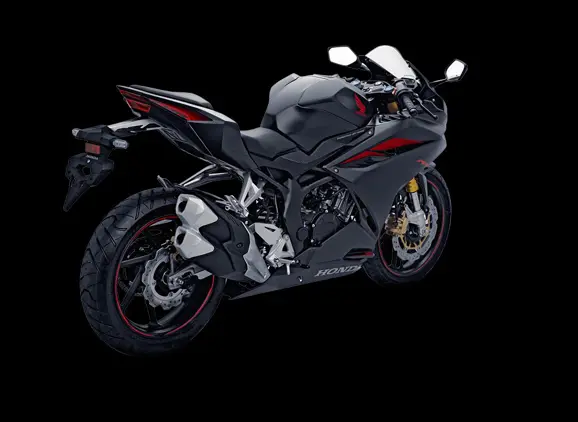 Honda CBR250RR competes directly against Kawasaki Ninja 250, Suzuki GSX250R, Hyosung GT250 and Yamaha R25. It completely washes away every competitor, with Yamaha R25 with 35.5 BHP to be the closest one. Honda CBR250RR will not make it to India as Honda recently made it clear that they have no plans to launch a new CBR series sport bike in India in coming months.
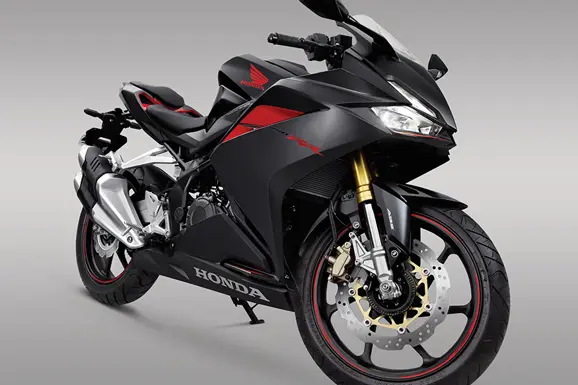 Quick Comparison of Honda CBR250RR with its Rivals
Engine Displacement
Quick Comparison of Honda CBR250RR with its Rivals
Engine Displacement
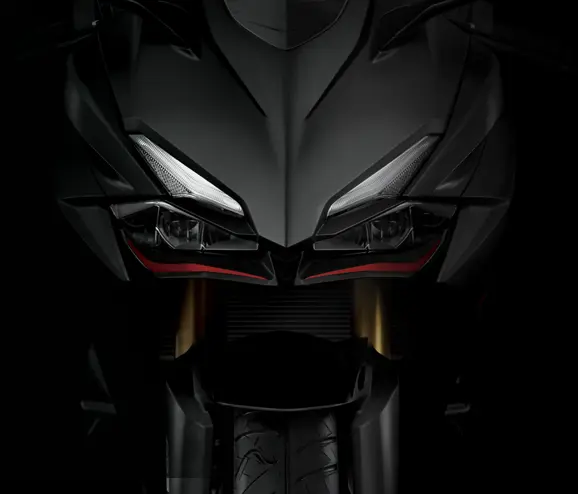
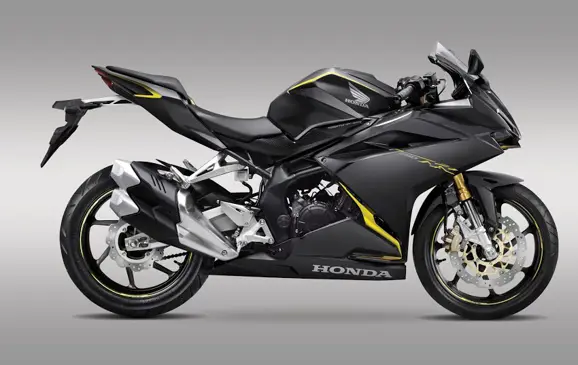
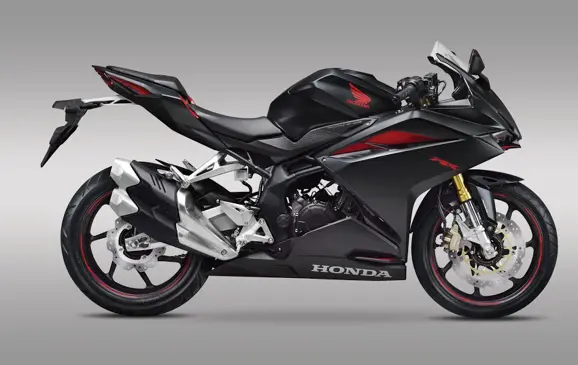
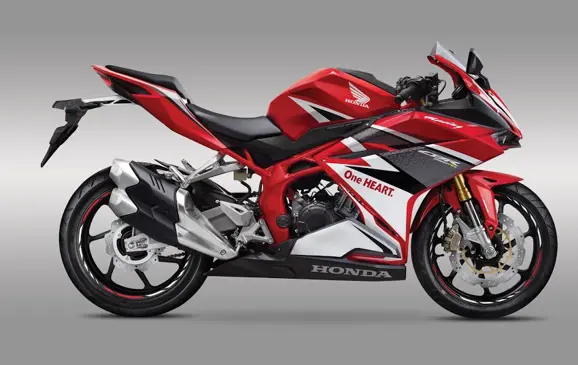
Power and Torque Values of Honda CBR250RR Leaked!
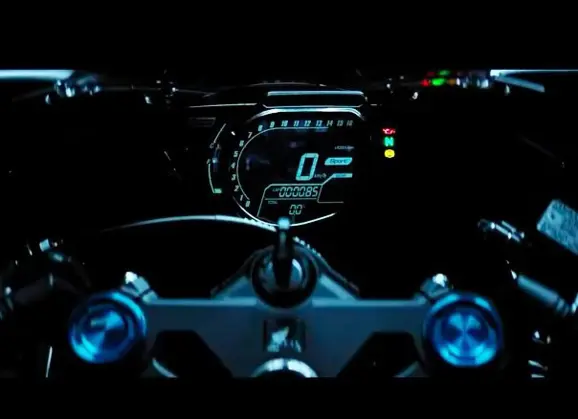
CBR250RR uses a 4-stroke, 8 valve, parallel twin 249.7 cc engine producing 36.29 Bhp @ 12,500 rpm and 22.5 Nm @ 10,500 rpm. It comes mated to a 6-speed gearbox and carries ride by wire system with acceleration position sensor. The bike uses 110/70-17 front wheel while the rear measures 140/70-17. The front and rear disc brake measures 310 mm and 240 mm respectively. It offers ABS as an option, increasing the weight of the bike by 3 kgs.
The bikes measures 2060 mm in length, 724 mm in width and 1098 mm in height. The wheelbase measures 1389 mm while it has a ground clearance of 145 mm. Seat height is easily assessable at 790 mm while the standard variant, without ABS weighs 165 kg. The fuel tank has a maximum capacity of 14.5 liters. It uses USD front forks and adjustable monoshock with aluminum swing arm at the rear.
Honda CBR250RR competes directly against Kawasaki Ninja 250, Suzuki GSX250R, Hyosung GT250 and Yamaha R25. It completely washes away every competitor, with Yamaha R25 with 35.5 BHP to be the closest one. Honda CBR250RR will not make it to India as Honda recently made it clear that they have no plans to launch a new CBR series sport bike in India in coming months.
Quick Comparison of Honda CBR250RR with its Rivals
Engine Displacement
- Suzuki GSX-250R - 248cc
- Yamaha YZF-R25 - 249cc
- Honda CBR250RR - 249.7cc
- Kawasaki Ninja 250 - 249cc
- Hyosung GT250R - 249cc
- Suzuki GSX-250R - 24.7 BHP @ 8000 rpm
- Yamaha YZF-R25 - 35.5 BHP @ 12000 rpm
- Honda CBR250RR - 36.29 BHP @ 12,500 rpm
- Kawasaki Ninja 250 - 32 BHP @ 11000 rpm
- Hyosung GT250R - 28 BHP @ 10000 rpm
- Suzuki GSX-250R- 23.3 NM @ 6500 rpm
- Yamaha YZF-R25 - 22.1 NM @ 10000 rpm
- Honda CBR250RR - 22.5 NM @ 10,500 rpm
- Kawasaki Ninja 250 - 21 NM @ 10000 rpm
- Hyosung GT250R - 22.07 NM @ 8000 rpm
- Suzuki GSX-250R- 178 kg
- Yamaha YZF-R25 - 166 kg
- Honda CBR250RR - 165 kg
- Kawasaki Ninja 250 - 172 kg
- Hyosung GT250R - 188 kg
Ad
I
Immanuel Raja is an Automotive Writer with 8 years of experience covering the Indian automotive landscape. He specializes in Electric Vehicles and Hybrid Technology, with particular expertise in battery systems, charging infrastructure, and the integration of alternative powertrains in Indian road conditions. Raja has extensively tested over 200 vehicles across various segments, from entry-level EVs to premium hybrids, developing nuanced insights into their performance on India's diverse and challenging roads. His analysis encompasses both technical specifications and practical ownership considerations that matter to Indian consumers, including charging accessibility, maintenance costs, and performance in extreme weather conditions. With a finger on the pulse of India's evolving automotive preferences, Raja delivers clear, factual assessments that help readers navigate the transition to electrified mobility in the context of India's unique market dynamics.
About the Author
Comments
No comments yet
Be the first to share your thoughts!
Want to read more automotive news?
Stay updated with the latest car launches, reviews, and industry insights.
Browse All News