
Honda Super-ONE Compact EV Revealed: Near-Production Details for 2025
IntroductionHonda has officially pulled back the curtain on its much-anticipated compact electric vehicle, the Super-ONE, at Auto Shanghai 2024. As someone who's been following Honda's gradual transition toward electrification, I can tell you this reveal represents a significant milestone in the com...
Introduction
Honda has officially pulled back the curtain on its much-anticipated compact electric vehicle, the Super-ONE, at Auto Shanghai 2024. As someone who's been following Honda's gradual transition toward electrification, I can tell you this reveal represents a significant milestone in the company's EV strategy. The Super-ONE isn't just another concept car making empty promises—it's a near-production model that shows Honda is getting serious about competing in the global electric vehicle market.
What makes this particularly noteworthy is how closely the revealed model adheres to the concept version Honda teased earlier. Based on industry reports and Honda's official statements, the Super-ONE appears positioned to become an accessible entry point into electric mobility when it launches in 2025, potentially helping Honda catch up with competitors who have more established EV offerings.
Design and Exterior Features
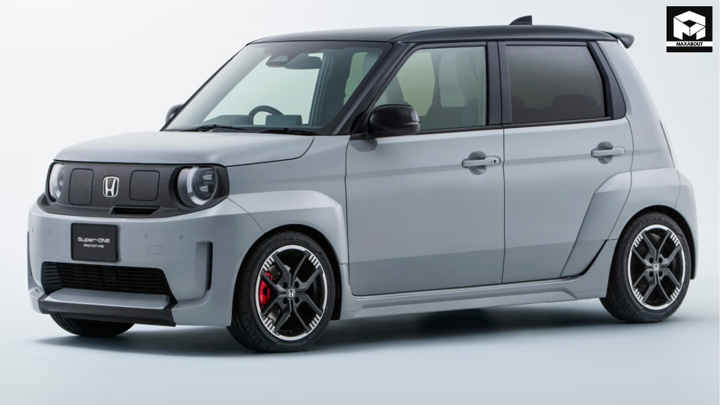
The Super-ONE's design language speaks volumes about Honda's approach to electric vehicles. Unlike some manufacturers who make their EVs look deliberately futuristic or alien, Honda has opted for a more balanced approach with the Super-ONE.
Distinctive Styling Elements
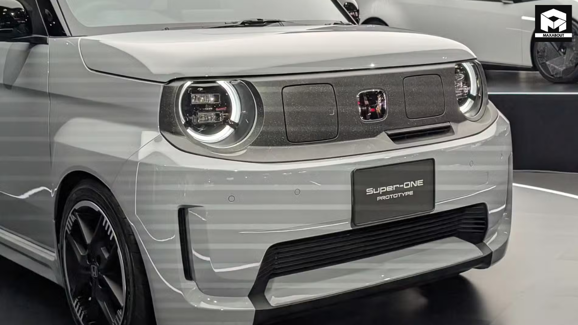
The production-ready Super-ONE maintains many of the concept vehicle's clean lines while incorporating more practical elements for real-world use. It features a distinctive front fascia with an illuminated Honda badge and LED light bar that stretches across the front of the vehicle—a design element becoming increasingly common among new electric vehicles.
From what we can see in the official images, the Super-ONE offers:
- A compact footprint with urban-friendly dimensions
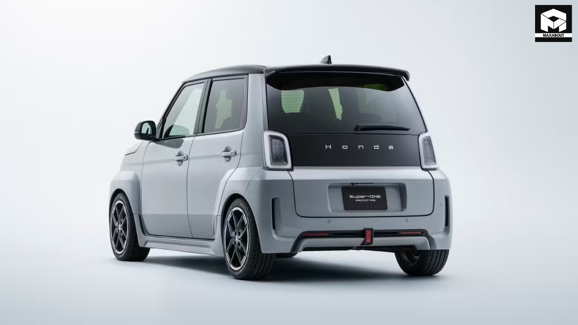
- Distinctive C-shaped rear lights that enhance brand recognition
- Aerodynamically optimized body panels to maximize efficiency
- Flush door handles and cameras instead of traditional side mirrors (on higher trims)
According to Honda's press materials, the designers aimed to create a vehicle that feels "friendly but capable"—a balance that often appeals to first-time EV buyers who want something modern without being intimidating.
Interior and Technology
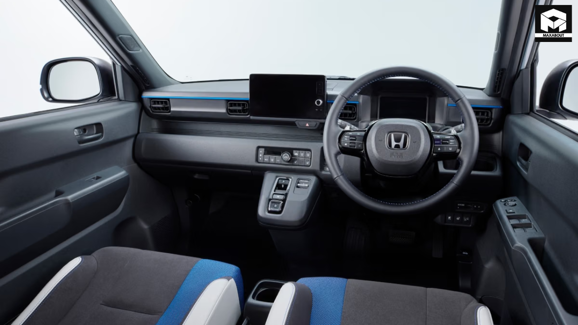
The cabin of the Super-ONE represents Honda's vision for sustainable yet practical interiors. Based on the revealed images and Honda's statements, the interior prioritizes both usability and environmental consciousness.
Sustainable Materials
One aspect that particularly stands out is Honda's commitment to sustainable materials. The Super-ONE's interior incorporates:
- Recycled fabrics for seat upholstery
- Plant-derived plastics for certain trim pieces
- Low-impact manufacturing processes for dashboard components
This aligns with the broader industry trend toward more environmentally responsible manufacturing, something that typically resonates with the EV buyer demographic.
Tech Interface
The technology package appears competitive based on what Honda has revealed so far. The dashboard features a minimalist design dominated by:
- A central touchscreen for infotainment (reportedly 12.3 inches)
- A digital instrument cluster for the driver
- Physical controls for critical functions like climate control
- Advanced voice recognition capabilities
Honda has confirmed the Super-ONE will feature their latest connectivity options, including wireless smartphone integration and over-the-air update capabilities—features that are increasingly becoming standard expectations in the EV market.
Performance and Range
While Honda hasn't released complete technical specifications, industry analysts and Honda's preliminary information suggest the Super-ONE will offer competitive performance for its segment.
Battery and Range Expectations
According to information shared at the Shanghai reveal, the Super-ONE is expected to feature:
- A lithium-ion battery pack with approximately 60-70 kWh capacity
- Estimated range of 250-300 miles (400-480 km) on a full charge
- DC fast-charging capability allowing for 10-80% charge in about 30 minutes
These figures, while still preliminary, would position the Super-ONE competitively against models like the Hyundai Kona Electric and Kia Niro EV. The actual production specifications may vary, but these targets suggest Honda is aiming for the sweet spot in the compact EV market—enough range to alleviate anxiety without unnecessarily driving up costs with oversized batteries.
Driving Dynamics
Honda has built its reputation partly on creating vehicles with engaging driving dynamics, and based on company statements, the Super-ONE aims to maintain this tradition despite its electric powertrain. The platform reportedly features:
- A low center of gravity for improved handling
- Multiple drive modes to balance efficiency and performance
- Regenerative braking with adjustable levels
While I haven't had the opportunity to test drive the vehicle (as it's not yet in production), Honda's track record suggests the Super-ONE will likely deliver a driving experience that balances comfort with responsiveness—an area where some competitors have struggled with their early EV offerings.
Market Positioning and Availability
The Super-ONE appears strategically positioned to help Honda gain ground in the growing electric vehicle market. Based on industry analysis and Honda's announcements, we can make some observations about its likely market position.
Target Markets
Honda has confirmed the Super-ONE will initially launch in:
- China (first half of 2025)
- Select European markets (mid-2025)
- North America (late 2025)
This staggered release strategy follows patterns we've seen with other global EV launches, allowing manufacturers to focus production and address any early issues before expanding to additional markets.
Pricing Strategy
While official pricing hasn't been announced, Honda executives have indicated the Super-ONE will be positioned as an "accessible" electric option. Industry analysts generally expect pricing to fall in the range of:
- Approximately $35,000-$45,000 USD (base to fully equipped)
- Competitive with comparable offerings from Volkswagen, Hyundai and Kia
- Potentially eligible for EV incentives in various markets
This pricing strategy would position the Super-ONE in the heart of the growing "mainstream" electric vehicle segment—not budget-priced, but accessible to middle-income households, especially when incentives are factored in.
Honda's Electric Future
The Super-ONE represents more than just a single model—it signals Honda's broader electric vehicle strategy. According to statements from Honda executives at the Shanghai reveal, the Super-ONE is built on a dedicated EV architecture that will underpin multiple future models.
Production Plans
Honda has shared that production of the Super-ONE will take place at:
- Dedicated EV manufacturing facilities in China (for Asian markets)
- Retooled North American plants for U.S. and Canadian versions
This manufacturing approach will help Honda qualify for regional incentives while optimizing logistics—a crucial consideration as supply chains remain somewhat volatile.
Future Honda EVs
The Super-ONE is part of Honda's broader electrification plans, which according to their public roadmap includes:
- 10+ new EV models globally by 2030
- Carbon neutrality for all products and corporate activities by 2050
- Continued development of both BEV and hydrogen fuel cell technologies
These ambitions align with industry trends, though Honda has generally been more conservative in its EV timeline than some competitors. The Super-ONE represents an acceleration of these plans, suggesting Honda recognizes the need to move more quickly in the electric transition.
Frequently Asked Questions
When will the Honda Super-ONE be available for purchase?
Based on Honda's announced timeline, the Super-ONE will first launch in China in early 2025, followed by European markets mid-year, and North American markets in late 2025.
What is the expected range of the Honda Super-ONE?
While final specifications haven't been released, Honda has indicated a target range of approximately 250-300 miles (400-480 km) on a full charge.
Will the Honda Super-ONE qualify for EV tax incentives?
This will vary by market. For the U.S. market, Honda is adapting its manufacturing strategy to qualify for Inflation Reduction Act incentives, though final eligibility will depend on specific production details and battery sourcing.
How does the Super-ONE compare to other compact EVs?
Based on the revealed specifications, the Super-ONE appears competitive with models like the Volkswagen ID.3, Hyundai Kona Electric, and Kia Niro EV in terms of size, range, and features. Detailed comparisons will be possible once all specifications and pricing are finalized.
Conclusion
The Honda Super-ONE represents a significant step in Honda's electric vehicle journey. From what we've seen at the Shanghai reveal, this compact EV combines Honda's traditional strengths—thoughtful design, practical interiors, and balanced performance—with modern electric technology and sustainable materials.
While Honda may not have been among the first major manufacturers to fully embrace electrification, the Super-ONE suggests they're now taking it seriously, with a product that appears competitive in the increasingly crowded compact EV segment. As always in the automotive industry, the proof will be in the final production vehicle and how it performs in the real world, but the near-production Super-ONE gives us good reason to be optimistic about Honda's electric future.
For potential EV buyers, the Super-ONE adds another compelling option to consider when it arrives in 2025—particularly for those who appreciate Honda's reputation for reliability and thoughtful engineering. As we learn more details about specifications, pricing, and availability, we'll gain a clearer picture of exactly how competitive this new entry in the electric vehicle market will be.
Want to read more automotive news?
Stay updated with the latest car launches, reviews, and industry insights.
Browse All News