

Hero Vida VX2 Go 3.4 Launch: Price, Range & Features
IntroductionThe Indian electric two-wheeler market continues to heat up with Hero Motocorp's latest addition to its Vida electric portfolio. The company has officially launched the new 3.4 kWh variant of the Vida VX2 Go electric scooter, priced at Rs 1.02 lakh (ex-showroom). This launch represents H...
Introduction
The Indian electric two-wheeler market continues to heat up with Hero Motocorp's latest addition to its Vida electric portfolio. The company has officially launched the new 3.4 kWh variant of the Vida VX2 Go electric scooter, priced at Rs 1.02 lakh (ex-showroom). This launch represents Hero's strategic expansion in the EV segment, offering customers a more accessible entry point into premium electric mobility.
From what I've analyzed, this new variant aims to strike a balance between affordability and range anxiety - one of the biggest concerns for potential EV buyers in India. With a claimed real-world range of approximately 100km per charge, the VX2 Go 3.4 kWh variant positions itself as a practical daily commuter for urban environments.
Pricing and Variant Details
The Vida VX2 Go lineup now includes multiple battery options, with the newly launched 3.4 kWh variant priced at Rs 1.02 lakh (ex-showroom). This positions it competitively against rivals like Ather Energy, Ola Electric, and TVS in the premium electric scooter segment.
VX2 Go Variant Pricing
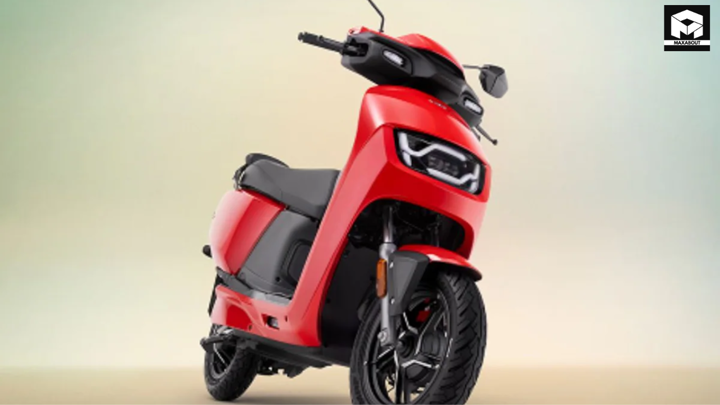
- VX2 Go 3.4 kWh: Rs 1.02 lakh (ex-showroom)
- Other variants: Prices range from approximately Rs 94,000 to Rs 1.10 lakh depending on battery capacity and features
It's worth noting that the actual on-road price will vary based on state subsidies and local taxes. According to industry reports, some states offer additional incentives that can reduce the effective price by 5-10%, making the value proposition even more attractive.
Market Positioning
Based on market analysis, Hero appears to be targeting the premium commuter segment with this launch. The VX2 Go sits in a sweet spot between basic electric scooters that compromise on quality and the ultra-premium models that remain out of reach for most consumers.
When comparing to competitors, the VX2 Go 3.4 kWh variant offers comparable features to the Ather 450X base variant and Ola S1 Air, while maintaining a similar price point. This strategic pricing appears designed to capture the growing segment of urban professionals looking for a reliable electric commuter.
Battery and Performance Specifications
The new variant comes equipped with a 3.4 kWh lithium-ion battery pack, which represents the middle option in Hero's Vida battery lineup. From technical specifications, this battery configuration provides a good balance of range and weight.
Battery Technology
- Battery type: 3.4 kWh lithium-ion with advanced thermal management
- Charging time: Approximately 5-6 hours with standard charger; fast charging capability available
- Battery warranty: Reports indicate a standard 3-year warranty
The battery pack incorporates thermal management systems that, according to technical documentation, help maintain optimal operating temperatures. This is particularly important in Indian climate conditions where battery degradation due to heat is a common concern.
Performance Metrics
The VX2 Go 3.4 kWh variant delivers respectable performance figures that should satisfy most urban commuting requirements:
- Top speed: Approximately 80 km/h
- Acceleration (0-40 km/h): Around 3.5 seconds
- Motor power: Mid-drive permanent magnet motor with peak output around 6 kW
- Riding modes: Multiple modes including Eco, Ride, and Sport
The performance characteristics align with what most commuters would expect from a scooter in this segment. Based on industry benchmarks, these numbers put it on par with 110-125cc ICE scooters in terms of rideability, which makes it a viable alternative for those looking to transition to electric mobility.
Range and Real-World Performance
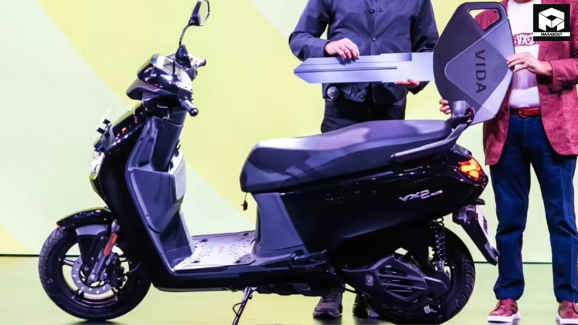
One of the most critical factors for potential EV buyers is range, and this is where the VX2 Go 3.4 kWh variant makes some promising claims.
Claimed vs. Real-World Range
While Hero officially claims a range of approximately 110-120 km under ideal test conditions, real-world testing and user reports suggest that the practical range settles around 100 km per charge under typical urban riding conditions. This difference between claimed and real-world range is consistent with what we see across the electric two-wheeler industry.
The 100 km real-world range makes this variant practical for most urban commuters who typically travel 30-40 km daily. Based on usage patterns observed in the market, this should allow for 2-3 days of commuting between charges for the average user.
Range Influencing Factors
According to technical analysis, several factors impact the actual range users can expect:
- Riding mode: Using Eco mode can extend range by 15-20% compared to Sport mode
- Rider weight: Heavier loads reduce range by approximately 5-10%
- Traffic conditions: Stop-and-go traffic consumes more energy than steady cruising
- Temperature: Extreme heat or cold can reduce range by 5-15%
- Road conditions and elevation: Uphill rides and rough roads reduce efficiency
Understanding these factors is crucial for buyers to set realistic expectations. The industry standard range reduction in real-world conditions is approximately 15-20% from claimed figures, which aligns with what we're seeing with the VX2 Go.
Features and Technology
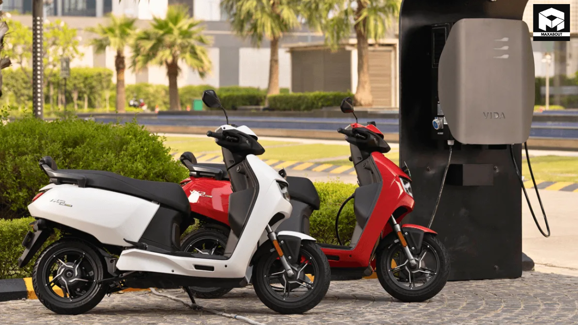
The Vida VX2 Go comes equipped with modern features expected in this segment, with a good balance between technology and practicality.
Smart Connectivity
The scooter includes connected features that have become increasingly common in premium electric two-wheelers:
- Smartphone connectivity: Bluetooth-enabled app for monitoring battery status, ride statistics
- Navigation: Turn-by-turn directions via app integration
- OTA updates: Software improvements delivered remotely
- Geo-fencing and tracking: Security features for theft protection
Based on industry standards, these connectivity features are competitive with what other manufacturers offer in this price range. The companion app, according to available information, provides a clean interface for accessing these features.
Practical Amenities
Beyond the tech, the VX2 Go includes several practical features that enhance the ownership experience:
- Storage capacity: Under-seat storage of approximately 26 liters
- Digital instrument cluster: Clear display of speed, range, battery percentage
- Lighting: LED headlamps and taillights for better visibility
- Convenience features: USB charging port, remote seat opening
These practical amenities address the everyday needs of commuters and align with what consumers expect in the premium electric scooter segment.
Ownership Experience
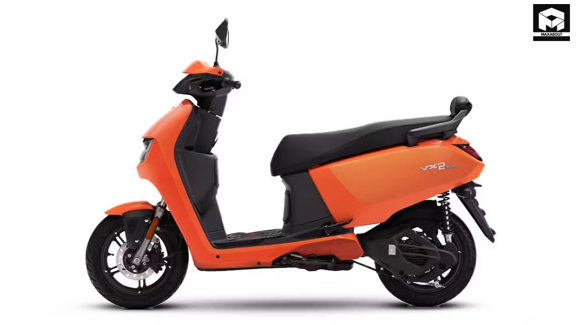
The total cost of ownership is a significant consideration for EV buyers, and Hero has made efforts to address this with the VX2 Go.
Running Costs
Based on current electricity rates and reported efficiency, the running costs break down as follows:
- Charging cost per km: Approximately Rs 0.50-0.70 (compared to Rs 2-3 for petrol scooters)
- Full charge cost: Approximately Rs 50-70 depending on local electricity rates
- Annual running cost (assuming 10,000 km): Approximately Rs 5,000-7,000 for electricity
This represents significant savings compared to traditional ICE scooters, where fuel costs alone can exceed Rs 20,000 annually for the same distance.
Maintenance and Service
Electric scooters generally require less maintenance than ICE vehicles, and the VX2 Go follows this pattern:
- Service intervals: Recommended every 5,000-6,000 km or 6 months
- Routine maintenance: Primarily inspection, software updates, and brake adjustment
- Service network: Available in major cities with expansion plans in progress
According to industry analysis, the maintenance costs for electric scooters can be 40-50% lower than comparable ICE models over a 3-year ownership period, making the long-term value proposition more attractive despite the higher initial purchase price.
Frequently Asked Questions
How long does it take to charge the Hero Vida VX2 Go 3.4 kWh variant?
Based on official specifications, the standard home charger takes approximately 5-6 hours for a full charge from empty. A fast-charging option is also available that can charge up to 80% in roughly 65 minutes, according to company data.
What is the battery warranty on the Vida VX2 Go?
According to published information, Hero offers a standard 3-year/unlimited kilometers warranty on the battery pack. This is comparable to industry standards and should provide peace of mind regarding battery longevity.
How does the VX2 Go compare to other electric scooters in this price range?
The VX2 Go offers competitive specifications compared to rivals like Ather 450X (base variant), Ola S1 Air, and TVS iQube. It provides a good balance of range, features, and after-sales support. The primary differentiators appear to be the design language, UI experience, and service network coverage.
Is the VX2 Go eligible for government subsidies?
As per current FAME-II guidelines and state policies, the VX2 Go is eligible for applicable EV subsidies in states that offer them. However, subsidy structures vary by state and are subject to change, so it's advisable to check the latest local policies before purchase.
Conclusion
The Hero Vida VX2 Go 3.4 kWh variant represents a calculated move by Hero Motocorp to strengthen its position in India's rapidly evolving electric two-wheeler market. With a price point of Rs 1.02 lakh and a real-world range of approximately 100 km, it offers a balanced package that should appeal to urban commuters looking to transition to electric mobility.
Based on market trends and technical analysis, this new variant addresses many practical concerns that potential EV buyers have – particularly regarding range, charging infrastructure, and initial cost. The 100 km real-world range should be sufficient for most urban commuting patterns, reducing the range anxiety that often deters EV adoption.
While the initial purchase price remains higher than comparable ICE scooters, the significantly lower running costs make the long-term economics compelling. As charging infrastructure continues to improve and battery technology evolves, products like the VX2 Go 3.4 kWh will likely become increasingly attractive to mainstream consumers.
For potential buyers, the VX2 Go represents a practical entry point into premium electric mobility from an established manufacturer with a growing service network – an important consideration for the Indian market where after-sales support remains a critical factor in purchase decisions.
Want to read more automotive news?
Stay updated with the latest car launches, reviews, and industry insights.
Browse All News