
Citroen Posts 3x Growth in Q4 2025, Eyes India Ops Expansion
Citroen's Remarkable Quarter: Breaking Down the NumbersLet me tell you, when I first saw Citroen's Q4 2025 numbers, I had to double-check them. A 3x growth isn't something you see every day in the automotive industry, especially in a market as challenging as India. This isn't just about selling more...
By dama nator
Automotive Writer
Citroen's Remarkable Quarter: Breaking Down the Numbers
Let me tell you, when I first saw Citroen's Q4 2025 numbers, I had to double-check them. A 3x growth isn't something you see every day in the automotive industry, especially in a market as challenging as India. This isn't just about selling more cars—it's about fundamentally shifting how Indian buyers perceive the brand.
The French automaker has been quietly building momentum since entering India, but this quarter represents something different entirely. We're talking about a company that went from being a relative unknown to a brand that's genuinely catching buyers' attention. The numbers don't lie, and they're telling a story of strategic execution meeting market demand at exactly the right moment.
What makes this growth particularly impressive is the context. India's automotive market has been experiencing fluctuating demand patterns, with buyers becoming increasingly price-conscious while simultaneously demanding more features and better quality. Citroen seems to have cracked this code.
What's Driving This Explosive Growth?
Product Portfolio That Hits the Sweet Spot
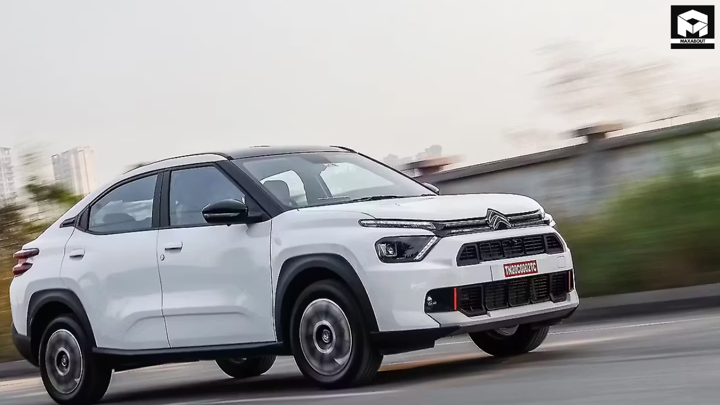
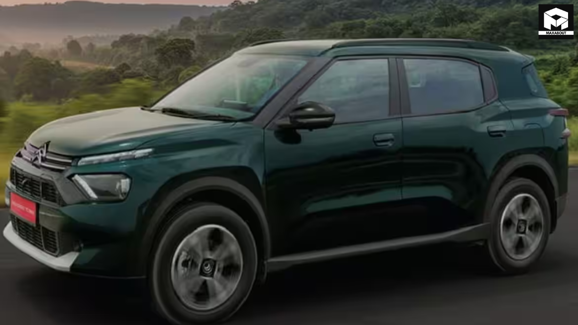
Citroen's current lineup in India is lean but strategic. The C3, C3 Aircross, and Basalt have each carved out their own niches, addressing different buyer segments without cannibalizing each other's sales. This is smart product planning, something many automakers struggle with.
The C3 has become particularly popular among first-time SUV buyers who want something distinctive without breaking the bank. Industry reports suggest it's resonating with younger buyers who appreciate its quirky design and practical pricing. Meanwhile, the C3 Aircross targets families looking for three-row seating without stepping into premium territory.
Pricing Strategy That Makes Sense
Here's where Citroen has been really clever. They've positioned themselves in that goldilocks zone—not too expensive, not trying to be the cheapest, but offering genuine value. From what I've observed in the market, buyers are responding positively to this approach.
The brand typically offers:
- Competitive entry prices that make their vehicles accessible to a broad audience
- Transparent pricing with fewer hidden costs compared to some competitors
- Strategic feature packaging that delivers essentials without unnecessary frills
- Financing options that align with Indian buyer preferences
Localization Efforts Paying Off
Citroen's commitment to local manufacturing through their partnership with CK Birla Group has been crucial. Higher localization means better pricing, faster service parts availability, and ultimately, more competitive products. User forums and service center reports generally indicate improving parts availability compared to the brand's early days in India.
Expansion Plans: What's Coming Next
Production Capacity Ramp-Up
With demand outstripping supply, Citroen's focusing on expanding production capacity at their Thiruvallur plant in Tamil Nadu. This isn't just about making more cars—it's about building the infrastructure to support sustained growth.
According to industry sources, the expansion plans include:
- Increased manufacturing capacity to meet growing demand
- Enhanced supply chain partnerships with local component manufacturers
- Improved logistics networks for faster delivery across India
- Quality control enhancements to maintain consistency at higher volumes
New Model Pipeline
The automotive grapevine suggests Citroen isn't resting on its laurels. While I can't confirm unreleased models, the brand has publicly indicated plans to expand its portfolio. Given current market trends, we'd typically expect manufacturers in Citroen's position to consider segments like compact sedans or electric vehicles.
The electric vehicle space is particularly interesting. Many automakers are exploring this segment, and Citroen's parent company Stellantis has significant EV expertise globally. Whether and when this translates to India-specific EV launches remains to be seen, but it would make strategic sense given government incentives and growing environmental awareness.
Dealer Network Expansion
One of Citroen's earlier challenges was limited physical presence. That's changing rapidly. The expansion strategy reportedly focuses on tier-2 and tier-3 cities, where competition is less intense and buyers are looking for alternatives to established brands.
This approach is smart because:
- Real estate and setup costs are lower in smaller cities
- Brand loyalty is often less entrenched outside metro areas
- Local dealers can build stronger community connections
- Service accessibility improves customer confidence in newer brands
Challenges That Still Need Addressing
Let's be real—achieving 3x growth is fantastic, but sustaining it is where the real work begins. Citroen faces several hurdles that could impact their continued momentum.
After-Sales Service Perception
Online automotive forums commonly mention concerns about service network maturity for newer brands in India. While Citroen has been expanding service centers, building a reputation for reliable, quick, and affordable after-sales support takes time. This is where established competitors have a significant advantage.
Brand Awareness Beyond Metro Cities
Despite recent growth, Citroen still lacks the household name recognition of brands like Maruti, Hyundai, or Tata in many parts of India. Converting awareness into consideration and then into purchase requires sustained marketing investment and positive word-of-mouth.
Competition Intensifying
The Indian automotive market isn't standing still. Established players are launching new models, other international brands are eyeing entry or expansion, and domestic manufacturers are stepping up their game. Citroen's growth has likely caught competitors' attention, potentially triggering aggressive counter-strategies.
What This Means for Indian Car Buyers
From a buyer's perspective, Citroen's expansion is genuinely good news. More competition typically means better products, more competitive pricing, and improved customer service across the board.
If you're considering a Citroen, here's my take on what to watch:
- Wait times: Growing demand often means longer delivery periods—ask dealers about realistic timelines
- Service accessibility: Check if there's a service center reasonably close to you, not just a showroom
- Resale value: Newer brands typically have uncertain resale values initially, though this improves with market presence
- Parts availability: Inquire about service parts stock and turnaround times for common maintenance items
- Model year updates: With expansion plans, new variants or updates might be coming—worth staying informed
The Value Proposition
What I find interesting about Citroen's approach is they're offering something genuinely different. The design language is distinctive—you won't mistake a Citroen for any other brand on the road. For buyers tired of lookalike SUVs, this uniqueness has appeal.
The features-to-price ratio generally appears competitive based on specification comparisons. You're typically getting practical features like decent ground clearance, reasonable boot space, and increasingly better infotainment systems without paying premium brand prices.
Industry Implications and Broader Context
Citroen's success tells us something important about the Indian market—buyers are willing to try newer brands if the value proposition is right. This contradicts the conventional wisdom that Indian buyers only stick with established names.
For the industry, this sends a signal. International brands that previously viewed India as too difficult or too competitive might reconsider. We could see more global automakers attempting India entries or expansions, which ultimately benefits consumers through increased choice.
The Localization Blueprint
Citroen's partnership model with local manufacturers like CK Birla Group might become a template for other brands. Instead of massive independent investments, strategic partnerships allow faster market entry, lower risk, and better local market understanding.
This approach particularly makes sense for brands that want to test market response before committing billions to standalone operations. It's a middle path between importing vehicles and building completely independent operations.
Frequently Asked Questions
Is Citroen a reliable brand in India?
Citroen is relatively new to India, having entered only a few years ago, so long-term reliability data is still building. The brand has a lengthy global history, and current models use proven powertrains. User experiences reported on forums are generally mixed, as expected with newer market entrants, with service network maturity being a common discussion point. As the brand expands its presence and service infrastructure, reliability perceptions typically improve.
How does Citroen compare to Maruti or Hyundai in terms of pricing?
Citroen typically positions itself competitively against Maruti and Hyundai in similar segments. Their vehicles often offer comparable or slightly better pricing for similar feature sets, especially in the compact SUV space. However, Maruti and Hyundai generally offer more extensive service networks and better-established resale value, which factors into total cost of ownership.
What's the resale value like for Citroen cars?
Resale value for relatively newer brands in India tends to be lower initially compared to established players. As Citroen builds market presence and sales volumes increase, resale values typically improve. If resale value is a primary concern, established brands generally perform better, though Citroen's growing popularity may positively impact future depreciation curves.
Are spare parts easily available for Citroen vehicles?
Spare parts availability has reportedly improved as Citroen has expanded its dealer and service network. Common maintenance items are generally available, though some specialized parts may have longer wait times compared to high-volume brands. The increasing localization of parts production should continue improving availability over time.
Should I wait for new Citroen models or buy current ones?
This depends on your timeline and specific needs. Current models offer good value and established track records. If reports suggest new models in your preferred segment are imminent and you can wait, it might be worth holding off. However, waiting for future launches can become an endless cycle—if current models meet your needs and budget, they represent known quantities.
Conclusion: A Brand Worth Watching
Citroen's 3x growth in Q4 2025 isn't just a statistical quirk—it represents a genuine shift in the Indian automotive landscape. The French brand has moved from curiosity to serious contender, and their expansion plans suggest they're committed to the long haul.
For buyers, this means another credible option in an increasingly crowded market. The combination of distinctive design, competitive pricing, and improving service infrastructure makes Citroen worth considering, especially if you value standing out from the ubiquitous SUVs dominating Indian roads.
That said, challenges remain. Building a service reputation takes time, and maintaining growth momentum requires continuous product development and customer satisfaction. The coming quarters will reveal whether Citroen can sustain this impressive trajectory or if it represents a temporary spike.
What's clear is that the Indian automotive market is dynamic enough to reward brands that get their strategy right. Citroen appears to have found a formula that resonates with Indian buyers—distinctive products at accessible prices with improving support infrastructure. If they continue executing on this strategy while addressing service network maturity and brand awareness, there's no reason this growth can't continue.
For the broader market, Citroen's success is proof that there's room for new players who bring genuine value propositions. That's ultimately good news for everyone shopping for a car in India—more choice, more competition, and hopefully, better products across the board.
No comments yet
Be the first to share your thoughts!
Want to read more automotive news?
Stay updated with the latest car launches, reviews, and industry insights.
Browse All News