

3 min read
223 views
Maruti Suzuki Won't be Sending Cars to Global NCAP for Crash Tests
According to recent reports, Maruti Suzuki has confirmed that they will not be sending their cars to the Global NCAP for crash tests. The brand feels that their vehicles follow all the safety regulations that have been made mandatory by the Indian government including the all-new pedestrian and offs...
According to recent reports, Maruti Suzuki has confirmed that they will not be sending their cars to the Global NCAP for crash tests. The brand feels that their vehicles follow all the safety regulations that have been made mandatory by the Indian government including the all-new pedestrian and offset side-impact safety norms while they would not allow any third party agency to rate their vehicles no matter what the other manufacturers are doing.
Commenting on opting out of sending the cars to NCAP, CV Raman, Senior Executive Director – Engineering of Maruti Suzuki India said - “As far as Maruti Suzuki is concerned, we believe that all safety regulations which are mandated by the government and the recently introduced offset side-impact and pedestrian regulation we are meeting..going forward SIAM as a body with the manufacturer are working to bring out the BNCAP. Anything that is led or driven by the government and recognized by the government is something that we would be looking at. Any other agency, it’s okay for the strategy of other manufacturers but Maruti Suzuki would like to work within the ambit of the Indian government regulations.”
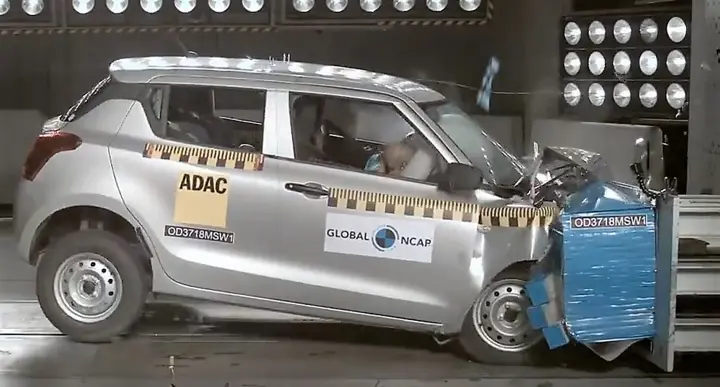 The first-ever NCAP crash test was held back in 2014 in which all the participants including the Hyundai i10, Ford Figo, Maruti Suzuki Alto 800 as well as the Tata Nano failed to clear the safety regulations. The GNCAP further decided to declare one of the best selling cars in the Indian automobile segment, the Maruti Suzuki Alto 800 as highly unsafe for the passengers with an unstable shell that wouldn't be capable of offering safety even with the airbags. In addition to the Alto 800, the Maruti Eeco was another one that bagged 0 out of 5 stars in the Global NCAP crash test ratings.
At present, Maruti Vitara Brezza is the only SUV under the brand’s portfolio that has been awarded four stars by the Global NCAP in crash tests for the adult occupant safety and two stars for the child occupant safety. Other worthy cars that have been awarded five stars in the crash tests include the likes of the recently launched Tata Altroz and the Tata Nexon while the Maruti Ertiga and Swift have been rated with three and two stars respectively.
Source
[caption id="attachment_557221" align="aligncenter" width="850"]
The first-ever NCAP crash test was held back in 2014 in which all the participants including the Hyundai i10, Ford Figo, Maruti Suzuki Alto 800 as well as the Tata Nano failed to clear the safety regulations. The GNCAP further decided to declare one of the best selling cars in the Indian automobile segment, the Maruti Suzuki Alto 800 as highly unsafe for the passengers with an unstable shell that wouldn't be capable of offering safety even with the airbags. In addition to the Alto 800, the Maruti Eeco was another one that bagged 0 out of 5 stars in the Global NCAP crash test ratings.
At present, Maruti Vitara Brezza is the only SUV under the brand’s portfolio that has been awarded four stars by the Global NCAP in crash tests for the adult occupant safety and two stars for the child occupant safety. Other worthy cars that have been awarded five stars in the crash tests include the likes of the recently launched Tata Altroz and the Tata Nexon while the Maruti Ertiga and Swift have been rated with three and two stars respectively.
Source
[caption id="attachment_557221" align="aligncenter" width="850"] BS6 Yamaha R15 V3 Price Increased in India[/caption]
The first-ever NCAP crash test was held back in 2014 in which all the participants including the Hyundai i10, Ford Figo, Maruti Suzuki Alto 800 as well as the Tata Nano failed to clear the safety regulations. The GNCAP further decided to declare one of the best selling cars in the Indian automobile segment, the Maruti Suzuki Alto 800 as highly unsafe for the passengers with an unstable shell that wouldn't be capable of offering safety even with the airbags. In addition to the Alto 800, the Maruti Eeco was another one that bagged 0 out of 5 stars in the Global NCAP crash test ratings.
At present, Maruti Vitara Brezza is the only SUV under the brand’s portfolio that has been awarded four stars by the Global NCAP in crash tests for the adult occupant safety and two stars for the child occupant safety. Other worthy cars that have been awarded five stars in the crash tests include the likes of the recently launched Tata Altroz and the Tata Nexon while the Maruti Ertiga and Swift have been rated with three and two stars respectively.
Source
[caption id="attachment_557221" align="aligncenter" width="850"] BS6 Yamaha R15 V3 Price Increased in India[/caption]Ad
I
Immanuel Raja is an Automotive Writer with 8 years of experience covering the Indian automotive landscape. He specializes in Electric Vehicles and Hybrid Technology, with particular expertise in battery systems, charging infrastructure, and the integration of alternative powertrains in Indian road conditions. Raja has extensively tested over 200 vehicles across various segments, from entry-level EVs to premium hybrids, developing nuanced insights into their performance on India's diverse and challenging roads. His analysis encompasses both technical specifications and practical ownership considerations that matter to Indian consumers, including charging accessibility, maintenance costs, and performance in extreme weather conditions. With a finger on the pulse of India's evolving automotive preferences, Raja delivers clear, factual assessments that help readers navigate the transition to electrified mobility in the context of India's unique market dynamics.
About the Author
Want to read more automotive news?
Stay updated with the latest car launches, reviews, and industry insights.
Browse All News