
BMW India 2026: 23 Launches in 9 Months Explained
Twenty-three launches in under nine months. Let that sink in for a moment. That's roughly one new BMW hitting Indian roads every twelve days. For a brand that once treated India as a footnote in its global strategy, this is a dramatic shift — and it deserves a proper, honest look.To put the scale in...
Editorial Team
Twenty-three launches in under nine months. Let that sink in for a moment. That's roughly one new BMW hitting Indian roads every twelve days. For a brand that once treated India as a footnote in its global strategy, this is a dramatic shift — and it deserves a proper, honest look.
To put the scale in perspective: most premium automakers consider four or five launches a strong year in India. BMW Group India is planning nearly five times that. Whether you're a car enthusiast, a potential buyer, or just someone who watches the market, this kind of offensive is hard to ignore.
India's luxury car segment has been quietly gathering momentum. Recent industry reports suggest the premium market grew steadily through 2024 and into 2025, with buyers increasingly willing to spend beyond the ₹40–50 lakh threshold. BMW knows this. So does Mercedes-Benz, which has held the top spot in Indian luxury sales for a while now. That gap appears to be the real target here.
From what industry observers note, BMW Group India — which includes BMW, MINI, and Motorrad — has been closing the distance on Mercedes. But closing isn't winning. And 2026 feels like the year they've decided to stop being patient about it.
The genuine question worth asking, though, is whether this blitz reflects real confidence in Indian buyers — or simply a global product cycle that India happens to benefit from this time around. Probably both, honestly.
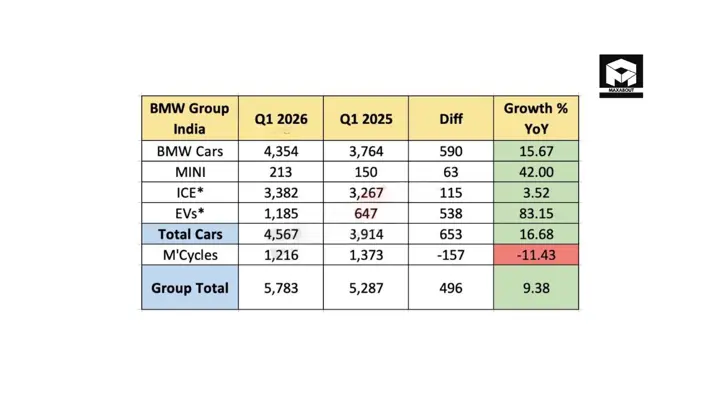
Breaking Down the 23 Launches: Cars, SUVs, and Electric Vehicles
Before getting carried away by the headline number, let's be honest about what "23 launches" actually means. Not all of them are ground-up new vehicles. Some are facelifts, some are new variants of existing models, and a handful are genuinely new platforms arriving in India for the first time. That distinction matters — especially for buyers deciding whether to wait or buy now.
Sedans and Coupes
The core sedan lineup — 3 Series, 5 Series, and 7 Series — is expected to see either generation updates or significant variant additions. The 5 Series, which recently received a full global overhaul, is likely arriving in updated form. The 7 Series continues to position itself at the ultra-luxury end, where volume is small but brand perception is everything.
SUV Lineup
This is where the real volume ambition sits. The X1, X3, X5, and XM variants collectively cover a wide price band — from buyers stepping into premium SUVs for the first time to those wanting something genuinely outrageous. The XM, in particular, remains a statement product more than a mainstream consideration.
Electric Vehicles — The i-Series
Updates to the i4, i5, and iX form a critical part of this offensive. Based on industry reports, BMW is pushing harder on electric retail in India after cautious early years. Whether updated software, better range figures, or revised pricing — these refreshes need to make a stronger case than their predecessors did.
BMW Motorrad
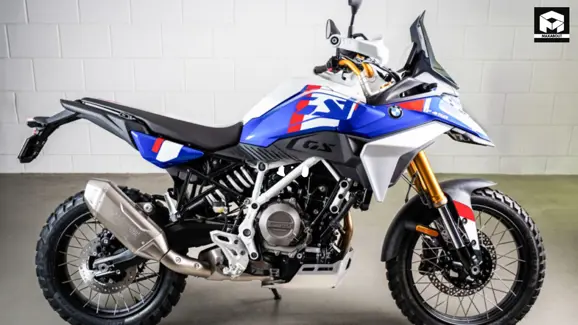
Motorcycles are reportedly included in the count, which explains how the number reaches 23. From what official announcements suggest, Motorrad additions could include new variants of existing models rather than entirely new platforms.
On assembly, expect a mix of CBU and CKD routes. Higher-volume models like the X1 and 3 Series are more likely to follow the CKD path — locally assembled, which typically keeps pricing more competitive. Flagship and low-volume products will almost certainly arrive as CBUs, carrying the full import duty burden.
The Electric Push: Is India Ready for BMW's i-Series Expansion?
Among the 23 planned launches, the electric vehicles arguably generate the most conversation — and the most skepticism. BMW is expected to expand its i-series presence meaningfully, with the i4, iX variants, and possibly the i5 and i7 all in consideration. Price brackets will be steep. Think ₹70 lakh to well over ₹1.5 crore depending on the variant and import route.
The global reception for these models has been genuinely strong. The i4 in particular draws consistent praise for its driving dynamics and real-world range. But India is a different equation entirely.
Here's where honest concerns come in. Step outside Mumbai, Delhi, or Bengaluru and the charging infrastructure thins out considerably. A Delhi-Jaipur run or a Mumbai-Pune highway trip in an EV still requires planning that ICE ownership simply doesn't demand. That mental overhead matters to buyers at this price point — they expect effortless ownership.
That said, metro charging networks are improving faster than many expected. Bengaluru and Delhi especially have seen meaningful growth in fast-charging availability over the past two years, according to industry reports.
The real question is timing. BMW's electric ambition here feels bold — possibly ahead of where Indian buyer confidence actually sits right now. Whether that's visionary thinking or slightly premature is something only the next few years will answer.
Pricing Reality Check: Who Can Actually Buy These Cars?
Let's be straightforward about something. Twenty-three launches sound impressive in a press release, but the audience capable of actually writing a cheque for these vehicles is genuinely small. BMW knows this. The strategy is about brand momentum and aspiration as much as volume.
The most accessible entry points remain the X1 and 3 Series, broadly priced between ₹45-55 lakh (on-road figures will vary by city and variant). Move up to the X3 or 5 Series and you're looking at ₹65-90 lakh territory. Then there's the flagship end — the 7 Series and the XM — where prices cross ₹2 crore comfortably, with fully-loaded configurations pushing considerably higher.
A big chunk of that price is structural. Import duties on CBU vehicles in India remain steep, and GST on luxury cars sits at 28% plus a cess. Models that BMW assembles locally at their Chennai facility — like certain X1 and 3 Series variants — benefit meaningfully from this, which is why local assembly decisions directly shape what a buyer actually pays at the dealership.
What's genuinely interesting is the financing culture that has emerged in cities like Hyderabad, Pune, and Chennai. A surprising proportion of BMW buyers today are first-generation luxury car owners, stepping up on structured finance rather than outright purchase. Monthly EMIs on a ₹50 lakh vehicle, spread across 60 months with a decent down payment, become a number that ambitious professionals in their late thirties can genuinely plan around.
Still, the total cost of ownership conversation matters enormously here. Someone upgrading from a Toyota Fortuner or Jeep Meridian needs to factor in BMW's service costs, which are noticeably higher than mainstream SUVs. Extended warranty packages help manage anxiety, but they add to the overall outlay. For a first-time luxury buyer, that ongoing cost reality can feel different from what the showroom experience suggested.
How This Stacks Up Against Mercedes-Benz and Audi India
To understand what BMW is really doing here, you need to look at the competitive picture honestly. Mercedes-Benz has dominated India's luxury car market for years — consistently outselling rivals and expanding aggressively into more accessible price points with models like the A-Class Limousine and GLA. That entry-level push worked. It brought younger buyers in, built brand familiarity, and kept the sales numbers strong.
BMW's 23-launch offensive in under nine months reads, at least partly, as a direct response to that reality. When a competitor is widening its funnel from both ends — aspirational entry models and flagship prestige vehicles — you either match the energy or cede ground. BMW appears to have chosen the former, emphatically.
Audi's situation adds another layer. After a difficult period of product gaps and inconsistent momentum, Audi India has been steadily rebuilding — the Q3, Q5, and A4 are finding buyers again, and the brand's sportier positioning still resonates with a specific kind of enthusiast. A reinvigorated Audi is genuinely inconvenient timing for BMW's ambitions.
Then there are the quieter players. Lexus and Volvo aren't generating headlines with volume launches, but they're earning something arguably more valuable — loyal, vocal customers who appreciate a different kind of ownership experience. Lexus in particular has built a reputation for reliability and service quality that punches well above its market share.
Whether flooding the market with product is sustainable is a fair question. The risk is dilution — too many launches in quick succession can strain dealership preparedness and customer attention equally. But if the execution holds, this looks less like desperation and more like a calculated attempt to ensure BMW is the unavoidable conversation in every luxury segment simultaneously.
Indian Road Conditions and the BMW Ownership Experience
Here is where things get genuinely complicated. BMW engineers its vehicles for smooth European motorways, and Indian roads — particularly in cities like Kolkata, Lucknow, and large parts of Bengaluru — operate in an entirely different universe. Potholes, broken patches, unmarked speed breakers, and waterlogged streets are daily realities, not occasional inconveniences.
Owner feedback on BMW's suspension tuning in India is mixed. The adaptive setups on higher-spec X-series SUVs handle rough surfaces reasonably well, but lower variants of sedans like the 3 Series genuinely struggle. Ground clearance on the 3 Series sits around 133mm — that number becomes a real concern on poorly maintained state highways or even certain residential colony roads in tier-2 cities.
After-sales service is the other honest conversation worth having. BMW has expanded its dealer network, but coverage outside major metros remains thin. A buyer in Raipur or Coimbatore faces longer service turnaround times compared to someone in Mumbai or Delhi. Spare parts availability outside metro areas can stretch repair timelines significantly, which matters enormously when you have spent ₹50 lakh or more on a vehicle.
From what regular owners report, service costs are also substantially higher than Japanese or Korean luxury alternatives. That is simply the reality of BMW ownership in India — rewarding on good roads, occasionally frustrating everywhere else.
Should Indian Buyers Be Excited? An Honest Take
Honestly? Yes — but with eyes open. Twenty-three launches in under nine months is genuinely remarkable, and the sheer breadth of choice this creates for Indian premium buyers is hard to dismiss. More competition within BMW's own lineup puts pressure on pricing, and that ultimately benefits everyone shopping in this segment.
That said, I think the honest question worth asking is this: will every single launch receive the attention it deserves, or will some feel like rushed catalogue exercises? Localisation, after-sales preparedness, and spare parts infrastructure cannot realistically scale at the same pace as a product announcement calendar.
The EV models are the ones I am watching most cautiously. From what industry observers consistently note, aspirational pricing has kept BMW's electric lineup largely confined to showroom displays rather than actual driveways. A realistically priced i4 variant could genuinely change that conversation.
The updated X3 and a refreshed 5 Series feel like the most grounded, watch-worthy launches — proven platforms with strong existing demand in India.
If you are actively considering a premium purchase in 2026, my honest suggestion is this: wait. Options will broaden, competitive pressure should soften pricing, and the market will reward patience this year more than most.
No comments yet
Be the first to share your thoughts!
Want to read more automotive news?
Stay updated with the latest car launches, reviews, and industry insights.
Browse All News