
2 min read
205 views
Yamaha FZ Version 3 Spotted Again Ahead of Launch This Month
Yamaha FZ Version 3 is once again in the news, this time caught testing in the clearest possible, design-revealing form. The front is clearly inspired from the FZ25, getting a similar front fascia with compact headlight section and raised indicator placement. The alloy wheel design is shared with th...
Yamaha FZ Version 3 is once again in the news, this time caught testing in the clearest possible, design-revealing form. The front is clearly inspired from the FZ25, getting a similar front fascia with compact headlight section and raised indicator placement. The alloy wheel design is shared with the present generation dual disc model while the rear tire is different from the one seen on FZ25. The sidewall clears that most cycle parts will be shared with FZ V2 instead of the quarter-litre model. However, the visual upgrades are considerable with a major change in the seating of FZ Version 3.
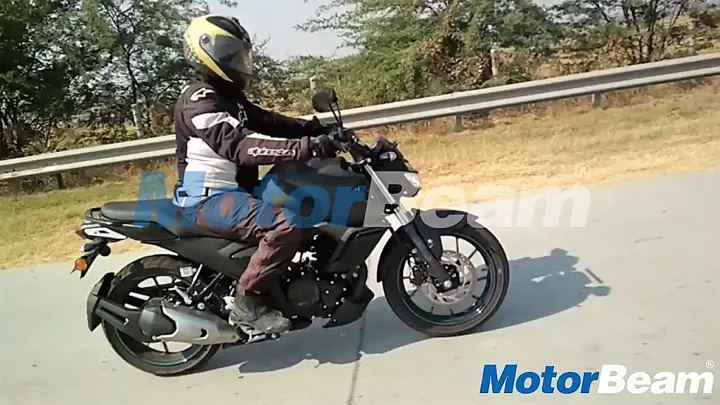 The split seat that looked very sporty is now missing from the motorcycle, replaced with an ideally stuffed single seat that looks comfortable from the first glimpse. The iconic metal frame-inspired panels that are seen on Yamaha FZ V2 are now replaced with a commuter style panel that runs straight into the rear seat section that now supports a single piece grab rail in comparison to the sporty two-piece unit. The rear fender is now shortened, offering a swingarm-mounted tire hugger for additional visual appeal. The parts underpinning the new body remain identical to the 2018 Yamaha FZ V2.
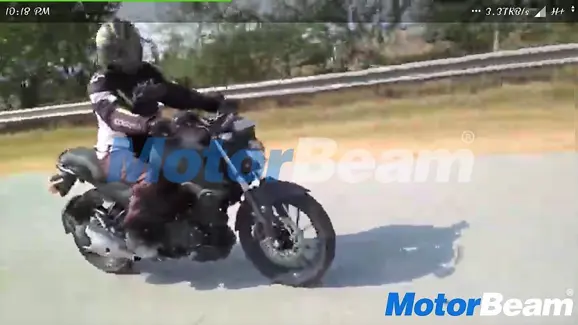 The biggest change comes near the fuel tank section as visible bulk has increased by a considerable margin. The fuel tank looks decent on the top section while lower area is now seen with an all-new fairing and belly protection panel. The new panel dominantly covers the engine area and can help the rider at some relief from the tiring winds that hit the knees straight on the other streetfighter models.
The 149cc engine on FZ is good for 13.2 PS and 12.8 Nm in the present generation. The engine can be tuned for more output on Yamaha FZ Version 3. The exhaust design is in line with the first generation FZ. The updated model will also get ABS as standard. FZ V3 is expected to launch in India this month as the brand recently confirmed that they will launch a new product on January 21, 2019.
Images Source
The biggest change comes near the fuel tank section as visible bulk has increased by a considerable margin. The fuel tank looks decent on the top section while lower area is now seen with an all-new fairing and belly protection panel. The new panel dominantly covers the engine area and can help the rider at some relief from the tiring winds that hit the knees straight on the other streetfighter models.
The 149cc engine on FZ is good for 13.2 PS and 12.8 Nm in the present generation. The engine can be tuned for more output on Yamaha FZ Version 3. The exhaust design is in line with the first generation FZ. The updated model will also get ABS as standard. FZ V3 is expected to launch in India this month as the brand recently confirmed that they will launch a new product on January 21, 2019.
Images Source
The split seat that looked very sporty is now missing from the motorcycle, replaced with an ideally stuffed single seat that looks comfortable from the first glimpse. The iconic metal frame-inspired panels that are seen on Yamaha FZ V2 are now replaced with a commuter style panel that runs straight into the rear seat section that now supports a single piece grab rail in comparison to the sporty two-piece unit. The rear fender is now shortened, offering a swingarm-mounted tire hugger for additional visual appeal. The parts underpinning the new body remain identical to the 2018 Yamaha FZ V2.
The biggest change comes near the fuel tank section as visible bulk has increased by a considerable margin. The fuel tank looks decent on the top section while lower area is now seen with an all-new fairing and belly protection panel. The new panel dominantly covers the engine area and can help the rider at some relief from the tiring winds that hit the knees straight on the other streetfighter models.
The 149cc engine on FZ is good for 13.2 PS and 12.8 Nm in the present generation. The engine can be tuned for more output on Yamaha FZ Version 3. The exhaust design is in line with the first generation FZ. The updated model will also get ABS as standard. FZ V3 is expected to launch in India this month as the brand recently confirmed that they will launch a new product on January 21, 2019.
Images SourceAd
I
Immanuel Raja is an Automotive Writer with 8 years of experience covering the Indian automotive landscape. He specializes in Electric Vehicles and Hybrid Technology, with particular expertise in battery systems, charging infrastructure, and the integration of alternative powertrains in Indian road conditions. Raja has extensively tested over 200 vehicles across various segments, from entry-level EVs to premium hybrids, developing nuanced insights into their performance on India's diverse and challenging roads. His analysis encompasses both technical specifications and practical ownership considerations that matter to Indian consumers, including charging accessibility, maintenance costs, and performance in extreme weather conditions. With a finger on the pulse of India's evolving automotive preferences, Raja delivers clear, factual assessments that help readers navigate the transition to electrified mobility in the context of India's unique market dynamics.
About the Author
Comments
No comments yet
Be the first to share your thoughts!
Want to read more automotive news?
Stay updated with the latest car launches, reviews, and industry insights.
Browse All News