
2 min read
334 views
Honda CB Unicorn 150 ABS Launched @ INR 78,815
Honda CB Unicorn 150 ABS has been launched in India for INR 78,815 (ex-showroom Delhi). The motorcycle features tubeless tyres as stock for the first time as buyers used to change their base tyres to tubeless for ease of long term ownership. As the additional cost of switching is now over, the total...
Honda CB Unicorn 150 ABS has been launched in India for INR 78,815 (ex-showroom Delhi). The motorcycle features tubeless tyres as stock for the first time as buyers used to change their base tyres to tubeless for ease of long term ownership. As the additional cost of switching is now over, the total hike of INR 6500 in the cost of Unicorn is totally justified for an everyday rider.
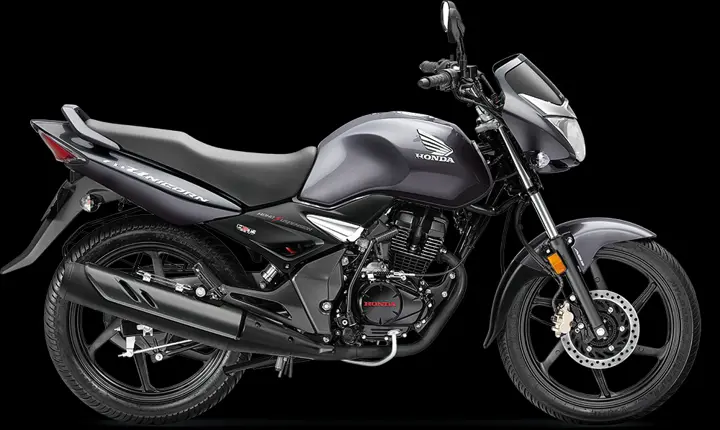 The motorcycle is powered by a 149.2cc, single cylinder engine, producing 12.73 BHP at 8000 rpm and 12.8 Nm at 5500 rpm. The engine comes mated to a 5-speed gearbox. Honda CB Unicorn is the most affordable 150cc motorcycle to feature ABS at the launch event among all the rivals. The single-channel ABS on the Unicorn is shared with the xBlade and rear disc is even not available as an option to the buyer.
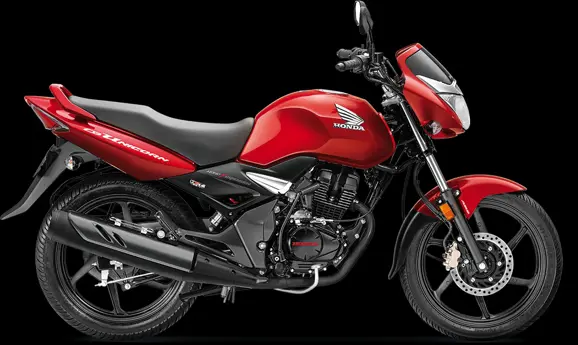 The bike now weighs 146 kg and offers 790mm of decent seat height with 179mm of ground clearance. The motorcycle rivals Bajaj Pulsar 150 Neon and Yamaha SZ-RR V2 in India, with both rivals yet to offer ABS to their upcoming owners. Honda Unicorn was once discontinued in favour of the 160cc model but soon after the bigger model went out of fashion, the 150cc Unicorn was reintroduced to bring around 30,000 units per month of average sales.
Honda is listing both the models on the official website, clearing the fact that they will only discontinue the non-ABS models once the mandatory ABS rule comes into action. The only difference that one will notice on the motorcycle is the ABS sticker and ring in the front half.
The bike now weighs 146 kg and offers 790mm of decent seat height with 179mm of ground clearance. The motorcycle rivals Bajaj Pulsar 150 Neon and Yamaha SZ-RR V2 in India, with both rivals yet to offer ABS to their upcoming owners. Honda Unicorn was once discontinued in favour of the 160cc model but soon after the bigger model went out of fashion, the 150cc Unicorn was reintroduced to bring around 30,000 units per month of average sales.
Honda is listing both the models on the official website, clearing the fact that they will only discontinue the non-ABS models once the mandatory ABS rule comes into action. The only difference that one will notice on the motorcycle is the ABS sticker and ring in the front half.
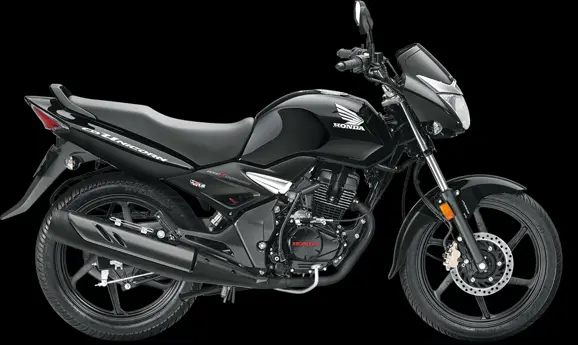
The motorcycle is powered by a 149.2cc, single cylinder engine, producing 12.73 BHP at 8000 rpm and 12.8 Nm at 5500 rpm. The engine comes mated to a 5-speed gearbox. Honda CB Unicorn is the most affordable 150cc motorcycle to feature ABS at the launch event among all the rivals. The single-channel ABS on the Unicorn is shared with the xBlade and rear disc is even not available as an option to the buyer.
The bike now weighs 146 kg and offers 790mm of decent seat height with 179mm of ground clearance. The motorcycle rivals Bajaj Pulsar 150 Neon and Yamaha SZ-RR V2 in India, with both rivals yet to offer ABS to their upcoming owners. Honda Unicorn was once discontinued in favour of the 160cc model but soon after the bigger model went out of fashion, the 150cc Unicorn was reintroduced to bring around 30,000 units per month of average sales.
Honda is listing both the models on the official website, clearing the fact that they will only discontinue the non-ABS models once the mandatory ABS rule comes into action. The only difference that one will notice on the motorcycle is the ABS sticker and ring in the front half.
CB Unicorn 150 ABS Specs
- Displacement - 149.2 cc
- Power - 12.73 HP @ 8000 rpm
- Torque - 12.80 Nm @ 5500 rpm
- Number of Cylinders - 1
- Number of Gears - 5
- Seat Height - 790 mm
- Ground Clearance - 179 mm
- Kerb/Wet Weight - 146 kg
- Fuel Tank Capacity - 13 litres
- Top Speed - 101 kmph (Approx.)
Ad
I
Immanuel Raja is an Automotive Writer with 8 years of experience covering the Indian automotive landscape. He specializes in Electric Vehicles and Hybrid Technology, with particular expertise in battery systems, charging infrastructure, and the integration of alternative powertrains in Indian road conditions. Raja has extensively tested over 200 vehicles across various segments, from entry-level EVs to premium hybrids, developing nuanced insights into their performance on India's diverse and challenging roads. His analysis encompasses both technical specifications and practical ownership considerations that matter to Indian consumers, including charging accessibility, maintenance costs, and performance in extreme weather conditions. With a finger on the pulse of India's evolving automotive preferences, Raja delivers clear, factual assessments that help readers navigate the transition to electrified mobility in the context of India's unique market dynamics.
About the Author
Comments
No comments yet
Be the first to share your thoughts!
Want to read more automotive news?
Stay updated with the latest car launches, reviews, and industry insights.
Browse All News