
2 min read
234 views
It's Official: Flex Engine Bikes to Launch in India Soon
Flex engine bikes will soon help Indians cut some considerable amount of cost from their fuel bills in India. Not just that, they will now get products that are less polluting and more efficient than ever. Here we are talking about bikes and scooters that will run on either petrol or ethanol, whiche...
Flex engine bikes will soon help Indians cut some considerable amount of cost from their fuel bills in India. Not just that, they will now get products that are less polluting and more efficient than ever. Here we are talking about bikes and scooters that will run on either petrol or ethanol, whichever is available.
These machine will also be able to run on a mix of both fossil and plant derived fuel for overall reduction in emissions. None other Transport and Shipping minister, Mr Nitin Gadkari, made this announcement official. He even gave another amazing hint with this announcement.
[caption id="attachment_184845" align="aligncenter" width="600"]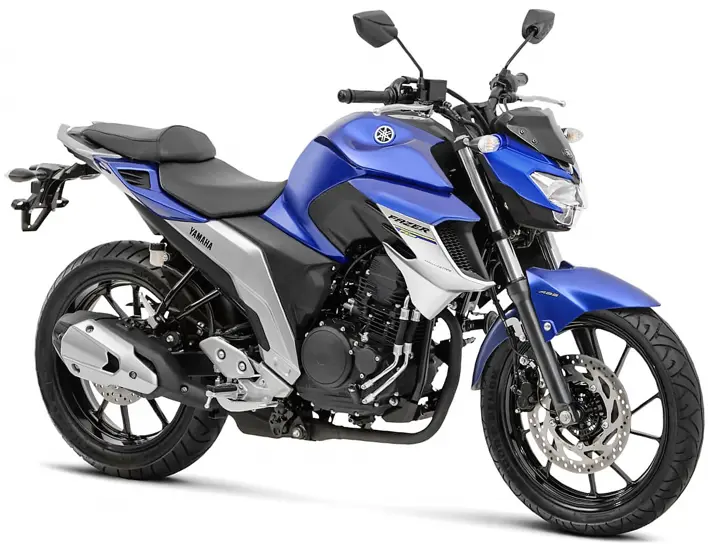 Yamaha Fazer 250 Flex Engine Bike (Brazil)[/caption]
Two among leading Indian two wheeler manufacturers will reveal a set of flex engine bikes and electric vehicles soon. It seems like he has hinted the presence of both technologies at Auto Expo 2018.
Moving further with his words, Mr Gadkari also cleared the fact that ethanol can help India clear almost INR 2 lakh crore from the crude oil import from its total present import of INR 7 lakh crore worth of oil.
Ethanol will cost almost half and could be produced locally through huge bamboo plantations in the North East India. This will benefit both the agriculture segment and everyday vehicle users.
[caption id="attachment_184844" align="aligncenter" width="600"]
Yamaha Fazer 250 Flex Engine Bike (Brazil)[/caption]
Two among leading Indian two wheeler manufacturers will reveal a set of flex engine bikes and electric vehicles soon. It seems like he has hinted the presence of both technologies at Auto Expo 2018.
Moving further with his words, Mr Gadkari also cleared the fact that ethanol can help India clear almost INR 2 lakh crore from the crude oil import from its total present import of INR 7 lakh crore worth of oil.
Ethanol will cost almost half and could be produced locally through huge bamboo plantations in the North East India. This will benefit both the agriculture segment and everyday vehicle users.
[caption id="attachment_184844" align="aligncenter" width="600"]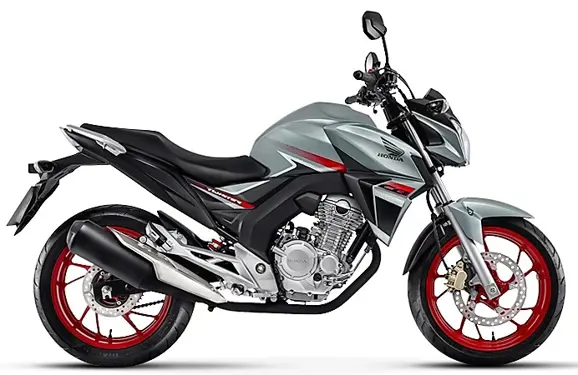 Honda CB Twister 250 Flex Engine Bike (Brazil)[/caption]
He made the fact clear that new industries will also see scope in producing ethanol once it becomes a hit among users nationwide. One tonne of rice straw is good for 280 liters of ethanol and this will keep India free from setting up new refineries at a cost of INR 70,000 crore.
With many manufacturers entering the Li-ion battery section, the prices have dropped to almost 50% in India. Buses using super capacitor can run almost 36 kilometers in a single charge of just 3 minutes. These small steps can result in a pollution free India as every sector of society can contribute this way.
Honda CB Twister 250 Flex Engine Bike (Brazil)[/caption]
He made the fact clear that new industries will also see scope in producing ethanol once it becomes a hit among users nationwide. One tonne of rice straw is good for 280 liters of ethanol and this will keep India free from setting up new refineries at a cost of INR 70,000 crore.
With many manufacturers entering the Li-ion battery section, the prices have dropped to almost 50% in India. Buses using super capacitor can run almost 36 kilometers in a single charge of just 3 minutes. These small steps can result in a pollution free India as every sector of society can contribute this way.
Yamaha Fazer 250 Flex Engine Bike (Brazil)[/caption]
Two among leading Indian two wheeler manufacturers will reveal a set of flex engine bikes and electric vehicles soon. It seems like he has hinted the presence of both technologies at Auto Expo 2018.
Moving further with his words, Mr Gadkari also cleared the fact that ethanol can help India clear almost INR 2 lakh crore from the crude oil import from its total present import of INR 7 lakh crore worth of oil.
Ethanol will cost almost half and could be produced locally through huge bamboo plantations in the North East India. This will benefit both the agriculture segment and everyday vehicle users.
[caption id="attachment_184844" align="aligncenter" width="600"] Honda CB Twister 250 Flex Engine Bike (Brazil)[/caption]
He made the fact clear that new industries will also see scope in producing ethanol once it becomes a hit among users nationwide. One tonne of rice straw is good for 280 liters of ethanol and this will keep India free from setting up new refineries at a cost of INR 70,000 crore.
With many manufacturers entering the Li-ion battery section, the prices have dropped to almost 50% in India. Buses using super capacitor can run almost 36 kilometers in a single charge of just 3 minutes. These small steps can result in a pollution free India as every sector of society can contribute this way.Ad
I
Immanuel Raja is an Automotive Writer with 8 years of experience covering the Indian automotive landscape. He specializes in Electric Vehicles and Hybrid Technology, with particular expertise in battery systems, charging infrastructure, and the integration of alternative powertrains in Indian road conditions. Raja has extensively tested over 200 vehicles across various segments, from entry-level EVs to premium hybrids, developing nuanced insights into their performance on India's diverse and challenging roads. His analysis encompasses both technical specifications and practical ownership considerations that matter to Indian consumers, including charging accessibility, maintenance costs, and performance in extreme weather conditions. With a finger on the pulse of India's evolving automotive preferences, Raja delivers clear, factual assessments that help readers navigate the transition to electrified mobility in the context of India's unique market dynamics.
About the Author
Comments
No comments yet
Be the first to share your thoughts!
Want to read more automotive news?
Stay updated with the latest car launches, reviews, and industry insights.
Browse All News