

2026 Wuling Mini EV: Price, Features & Indian Market Analysis
The automotive landscape is witnessing a significant shift as compact electric vehicles become increasingly viable for urban mobility. The upcoming Wuling Mini EV, sharing its DNA with India's MG Comet, represents a new chapter in affordable electric transportation.At ₹6.15 lakh (estimated), this ve...
The automotive landscape is witnessing a significant shift as compact electric vehicles become increasingly viable for urban mobility. The upcoming Wuling Mini EV, sharing its DNA with India's MG Comet, represents a new chapter in affordable electric transportation.
At ₹6.15 lakh (estimated), this vehicle positions itself in an interesting space between traditional entry-level cars and current electric offerings. For perspective, most electric vehicles in India start above ₹10 lakh, making urban EV ownership a considerable investment.
I believe this segment holds particular relevance for our metropolitan areas like Bangalore, Mumbai, and Delhi, where compact dimensions and zero emissions make perfect sense. The success of such vehicles could reshape our understanding of city transportation, especially considering our dense urban environments and growing charging infrastructure.
What's particularly noteworthy is how these micro-EVs address multiple urban challenges. They're ideal for short commutes, easy to park in congested areas, and potentially more cost-effective for daily use compared to conventional vehicles. Their introduction could accelerate the transition to electric mobility in price-sensitive markets like India.
Key Features and Technical Specifications
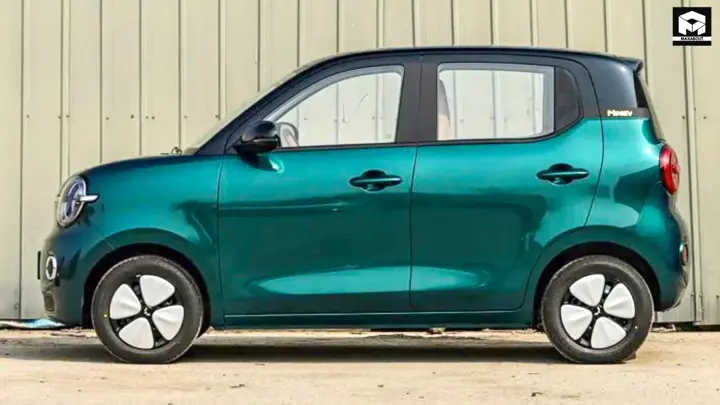
Looking at the specifications, the 2026 Wuling Mini EV appears well-suited for Indian city conditions. The vehicle is expected to come with a 20 kWh battery pack, offering approximately 300 km range - a significant improvement over the Comet EV's 17.3 kWh battery and 230 km range.
The compact dimensions are particularly impressive:
Length: 3,059 mm
Width: 1,521 mm
Height: 1,614 mm
I think the most practical aspect is its charging capabilities. The vehicle supports both AC and DC fast charging, with an estimated 6-7 hours for full AC charging and 30-40 minutes for 80% charge using DC fast charging.
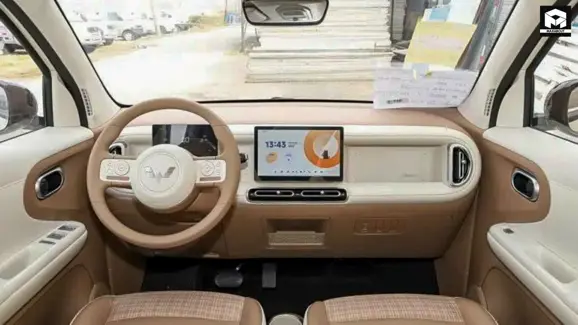
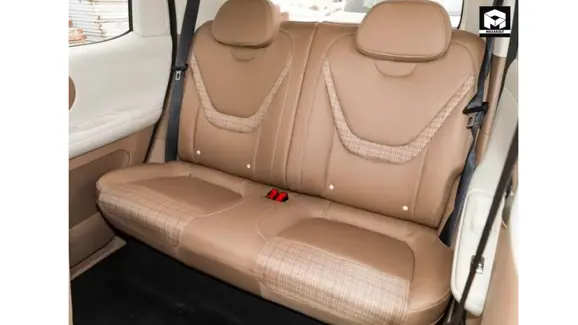
The interior features a modern digital cockpit with a 10.25-inch touchscreen infotainment system and connected car features. Safety equipment includes dual airbags, ABS with EBD, and a tire pressure monitoring system - essential features for Indian road conditions.
While the top speed is limited to 100 km/h, it's more than adequate for urban use. The motor produces 30 kW (40 hp) of power, offering sufficient performance for city driving and occasional highway runs. What impresses me most is the turning radius of just 4.2 meters, making it exceptionally maneuverable in tight city spaces.
Price Analysis and Value Proposition
At CNY 45,000 (approximately ₹6.15 lakh), the 2026 Wuling Mini EV presents an interesting value proposition. I believe its potential pricing in India would likely settle around ₹7-8 lakh after accounting for import duties, taxes, and localization costs - assuming they pursue local manufacturing.
Comparing this with current small EV offerings in India, it positions itself well below the Tata Tiago EV (starting ₹8.69 lakh) and MG Comet (₹7.98 lakh). The running costs make an even more compelling case. Based on current electricity rates in major Indian cities, I estimate the per-kilometer cost would be around ₹1.20, significantly lower than petrol vehicles.
What really stands out to me is the potential savings in maintenance. With fewer moving parts and simpler mechanics, annual maintenance could be 40-50% lower than conventional small cars. However, the initial price might still feel steep for first-time car buyers who typically look at the ₹4-5 lakh range for their purchases.
In terms of value, the key selling points would be:
Low running costs
Minimal maintenance requirements
Compact dimensions for city use
Modern features at a competitive price point
Urban Mobility Perspective
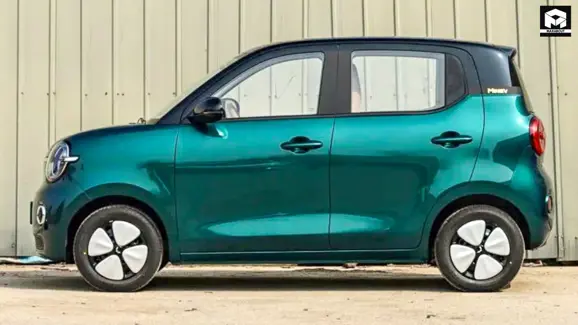
As someone who navigates through crowded city streets daily, I believe the Wuling Mini EV could be an excellent fit for Indian urban conditions. The compact dimensions - similar to the Comet EV - would make it perfect for squeezing through tight lanes in areas like Bangalore's Koramangala or Mumbai's packed residential colonies.
What particularly stands out is the parking advantage. With spaces becoming increasingly scarce in metropolitan areas, this vehicle's small footprint could be a game-changer. I've seen how even compact cars struggle to fit in apartment complexes, so a smaller EV makes perfect sense.
However, the charging infrastructure needs careful consideration. While home charging would work for most users, the limited range means you'll need reliable charging solutions at your workplace or frequent destinations. The good news is that many office complexes and shopping malls in cities like Pune and Chennai are already installing charging points.
For daily commutes of 15-20 kilometers, which is typical in most Indian cities, the Mini EV could be ideal. The air conditioning performance and ride quality over speed breakers and poorly maintained urban roads will be crucial factors that need testing in real Indian conditions.
Market Impact and Future Outlook
The entry of affordable EVs like the upcoming Wuling Mini EV could be a turning point for India's electric mobility journey. I believe we're approaching a critical price threshold where electric vehicles start making genuine financial sense for middle-class families looking for a second car.
Looking at market trends, I expect this segment to get quite competitive by 2026. Several manufacturers are likely to introduce compact EVs in the ₹6-8 lakh range. This healthy competition should benefit consumers through better features and after-sales support.
The government's recent enhancement of FAME-II subsidies and state-level incentives will play a crucial role. However, I think success will heavily depend on three key factors:
Development of budget-friendly home charging solutions
Expansion of public charging networks in tier-2 cities
Localization of battery production to reduce costs
Based on current infrastructure development pace, I expect most urban areas to be reasonably EV-ready by 2026. The real game-changer will be if manufacturers can maintain consistent quality while achieving these attractive price points. Looking at similar market segments, I anticipate strong initial demand from tech-savvy young professionals in cities like Bangalore, Pune, and Hyderabad.
Practical Considerations for Indian Buyers
When evaluating the upcoming Wuling Mini EV for the Indian market, I think several practical factors deserve careful consideration. Having observed similar EV launches, the after-sales experience often proves more crucial than the initial purchase price.
Battery replacement costs remain a significant concern. Based on current market trends, I estimate replacement could cost between ₹2-3 lakh after 6-8 years. This needs to be factored into long-term ownership calculations, especially when comparing with established petrol alternatives like the Maruti Alto or Renault Kwid.
Key Ownership Considerations
Parts availability might be limited initially, potentially leading to longer service wait times
Expected resale value remains uncertain without established market precedent
Insurance costs typically run 20-30% higher than equivalent petrol vehicles
Annual maintenance could be lower, but finding qualified technicians outside major cities may prove challenging
In my assessment, early adopters should budget for potential service-related uncertainties during the first year. However, the significantly lower running costs - approximately ₹1 per kilometer versus ₹5-6 for petrol vehicles - could offset these initial challenges for regular city commuters.
Maxabout Team
Editorial Team
Specializes in: Automotive News, Reviews, Analysis
Want to read more automotive news?
Stay updated with the latest car launches, reviews, and industry insights.
Browse All News