
2026 Tata Punch CNG Facelift: Exterior & Interior Upgrades Explored
The 2026 Tata Punch CNG facelift has been spotted undergoing real-world testing in Munnar, and honestly, this is pretty exciting news for anyone eyeing an affordable CNG micro-SUV. The test mule was caught with minimal camouflage, giving us a fairly clear picture of what Tata has planned for its pop...
By Saif Vishal
Automotive Journalist
The 2026 Tata Punch CNG facelift has been spotted undergoing real-world testing in Munnar, and honestly, this is pretty exciting news for anyone eyeing an affordable CNG micro-SUV. The test mule was caught with minimal camouflage, giving us a fairly clear picture of what Tata has planned for its popular compact offering.
I've been following the Punch's journey since its launch, and this facelift seems to address some key areas where buyers wanted improvements. Let's break down everything we know so far based on these spy shots.
Exterior Design Updates That Catch The Eye
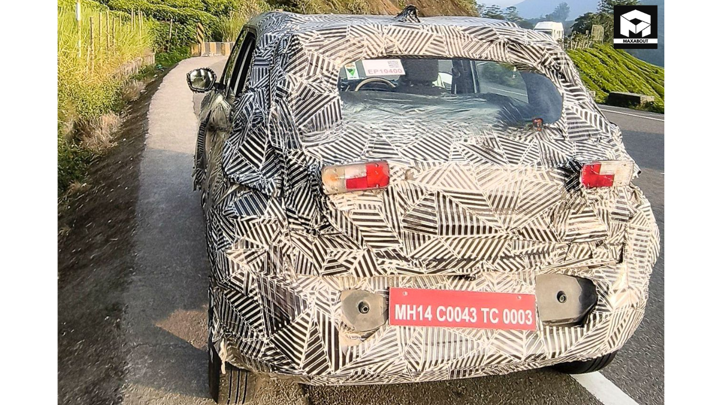
The spy shots from Munnar reveal that Tata isn't going for a complete overhaul – they're taking the "if it ain't broke, don't fix it" approach, which makes sense given the Punch's popularity.
Front Fascia Changes
The most noticeable changes appear to be concentrated at the front. From what I can see in the images, the 2026 Punch CNG facelift sports a refreshed grille design that looks slightly more aggressive than the current model. The headlamp cluster seems to have been tweaked as well, possibly incorporating new LED elements that should improve nighttime visibility.
The bumper design also appears modified, with what looks like redesigned fog lamp housings. This is typical of Tata's recent design language – they're making their vehicles look more premium without drastically changing the overall silhouette that customers already love.
Profile and Side Design Elements
Looking at the side profile, the test mule appears to retain the same overall dimensions, which is expected for a facelift. However, there might be new alloy wheel designs on offer. The character lines running along the doors seem unchanged, maintaining that muscular micro-SUV stance that helped the Punch stand out in parking lots.
One thing I'm particularly watching for is whether Tata adds new color options. The current Punch has some funky dual-tone schemes, and I wouldn't be surprised if they introduce fresh combinations to attract younger buyers.
Rear End Modifications
The rear section typically sees subtle updates in facelifts, and this Punch appears no different. The tail lamp clusters might feature new internal graphics – a cost-effective way to make the vehicle look fresh. The bumper design could also see minor tweaks to match the updated front end.
Interior Cabin Updates We Can Expect
While spy shots of interiors are always harder to come by, and these particular images don't give us crystal-clear cabin views, we can make some educated predictions based on industry trends and what Tata has been doing with other models.
Infotainment and Technology Upgrades
The current Punch already offers a decent touchscreen system, but I'm expecting the 2026 facelift to potentially bump up the screen size or update the software interface. Tata has been consistently improving its infotainment systems across the lineup, and the Punch should benefit from these developments.
Wireless Android Auto and Apple CarPlay might become standard across more variants. These features have become deal-breakers for many buyers, especially younger ones who can't imagine driving without seamless smartphone integration.
Material Quality and Fit-Finish Improvements
One area where mid-cycle refreshes typically shine is in improving cabin materials. Tata might introduce soft-touch plastics in more areas, better upholstery options, or improved stitching details. These small touches make a significant difference in how premium a vehicle feels during daily use.
The dashboard layout will likely remain similar, but expect fresher color schemes and possibly new trim inserts to differentiate the facelift from the outgoing model.
Space and Practicality Considerations
The CNG variant's cabin space is always a talking point because of the cylinder placement. Based on what we know, Tata will likely continue using their proven CNG tank positioning that doesn't completely eat into boot space – though some compromise is inevitable with any CNG system.
What I'm hoping for is better storage solutions throughout the cabin. Small touches like improved cupholders, door pockets with better design, and perhaps additional USB charging ports would go a long way.
CNG Powertrain: What Might Change
The current Tata Punch CNG uses a 1.2-liter naturally aspirated engine that produces 73 bhp and 103 Nm of torque in CNG mode. For the 2026 facelift, I'd be surprised if Tata makes major changes to this powertrain – it's proven reliable and delivers decent fuel economy.
Expected Performance Specs
The engine will likely carry over with minimal tweaks, but Tata might work on refinement aspects. Smoother power delivery, reduced NVH levels, and possibly improved fuel efficiency figures could be on the cards. Even a 5-10% improvement in mileage would be significant for CNG buyers who are incredibly cost-conscious.
Transmission Options
The 5-speed manual gearbox will almost certainly continue. An AMT option for the CNG variant would be fantastic, but that's probably wishful thinking – the current AMT is only available with the petrol variant, and adding it to CNG would require significant engineering work.
Safety Features and Technology Additions

Safety has become a major selling point in the Indian market, especially after the increased focus on crash test ratings. The Punch already scores well in safety tests, but facelifts often bring additional features.
Potential Safety Upgrades
Here's what we might see in terms of safety enhancements:
- Six airbags as standard: This is becoming increasingly common across Tata's lineup
- Electronic Stability Control (ESC): Might become standard across more variants
- 360-degree camera: Could be added to top-spec versions
- Tire Pressure Monitoring System (TPMS): Expected to become more widely available
- Improved ADAS features: Though this might be limited to higher variants
Pricing Strategy and Market Positioning
This is where things get interesting. Tata has positioned the Punch CNG as an affordable entry into the CNG micro-SUV space, and that strategy has paid off handsomely.
Expected Price Range
Based on typical facelift pricing strategies, I'd expect the 2026 Tata Punch CNG to see a modest price increase of around ₹15,000-25,000 over the current model. This would keep it competitive while accounting for the additional features and updates.
The current Punch CNG starts at approximately ₹7 lakh (ex-showroom), so the updated version might begin around ₹7.15-7.25 lakh. Top-end variants could touch ₹9 lakh or slightly above, depending on how much equipment Tata packs in.
Competition and Market Dynamics
The Punch CNG doesn't have direct rivals in the micro-SUV CNG space, which is its biggest advantage. Its main competition comes from:
- Maruti Suzuki Wagon R CNG: More affordable but less SUV-like
- Maruti Suzuki Celerio CNG: Similar positioning but different body style
- Hyundai Exter CNG: The newest competitor in this space
- Maruti Suzuki Fronx CNG: Slightly larger and pricier
Tata needs to keep the Punch fresh to maintain its edge, especially with Hyundai now offering the Exter with CNG.
Testing in Munnar: What It Tells Us
The fact that this test mule was spotted in Munnar is actually quite revealing. Munnar's hilly terrain, winding roads, and varying altitudes make it an ideal testing ground for CNG vehicles.
Why Hill Testing Matters for CNG Cars
CNG vehicles typically face performance challenges in hilly areas due to the lower energy density of CNG compared to petrol. By testing extensively in places like Munnar, Tata is likely fine-tuning the engine calibration to ensure acceptable performance even in demanding conditions.
This suggests that Tata is serious about ensuring the facelift delivers on real-world performance, not just on paper specs. That's reassuring for potential buyers who live in hilly regions or frequently drive through mountains.
Launch Timeline and Availability
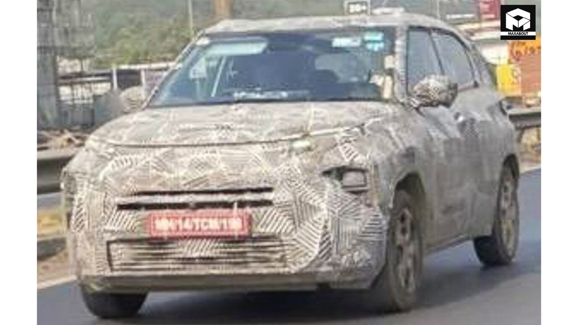
Based on the level of camouflage (or lack thereof) on this test mule, the 2026 Tata Punch CNG facelift seems fairly close to production-ready. Typically, when manufacturers test vehicles with minimal disguise, they're in the final validation stages.
Expected Launch Window
My educated guess is that we'll see an official unveiling sometime in the next 3-4 months, with market launch following within 4-6 weeks of the reveal. This could position it perfectly for the festive season buying rush, which would be smart timing from Tata's perspective.
The company will likely start with the CNG variant shortly after or simultaneously with the petrol facelift, given how important the CNG option has become for the Punch's overall sales numbers.
Should You Wait or Buy Now?
This is the million-dollar question for anyone currently considering a Tata Punch CNG. Here's my honest take based on what we know.
Reasons to Wait for the Facelift
- Fresher design: You'll get the latest looks without the car feeling dated immediately
- Updated features: More tech and possibly better materials
- Latest safety equipment: Potential for additional airbags and electronic aids
- Better resale value: Newer models typically hold value better initially
Reasons to Buy the Current Model
- Better discounts: Dealers will likely offer attractive deals to clear existing stock
- Immediate availability: No waiting period for bookings
- Proven reliability: The current model's issues are well-documented and mostly resolved
- Lower price point: You'll save money compared to the facelift
If you're in no rush and want the latest features, waiting makes sense. But if you need a car immediately and can snag a good deal on the current model, that's not a bad option either – the current Punch is already a solid package.
What I'm Most Excited About
Looking at these spy shots and thinking about what Tata might do with the facelift, there are a few things that genuinely excite me about this update.
First, the potential for improved refinement. The current Punch is good, but CNG vehicles can always use better NVH management. If Tata has worked on making the cabin quieter and the engine smoother, that's a meaningful upgrade for daily driving comfort.
Second, the safety additions. Tata has been aggressive about safety features lately, and I hope that philosophy extends to making advanced safety tech more accessible across variants, not just on the top-end model.
Third, the interior quality improvements. Small touches in material quality and design can transform how a car feels, especially in a segment where buyers are increasingly expecting more for their money.
Frequently Asked Questions
When will the 2026 Tata Punch CNG facelift launch?
Based on the spy shots showing minimal camouflage, the launch is likely within the next 3-5 months. Tata typically reveals vehicles about a month before they hit showrooms, so we should see an official announcement soon.
Will the price increase significantly?
Facelifts typically see modest price increases of ₹15,000-30,000. The current Punch CNG's competitive pricing should remain intact, with the facelift likely starting around ₹7.15-7.25 lakh (ex-showroom).
What changes can we expect in the engine?
Major engine changes are unlikely in a facelift. The 1.2-liter CNG engine will probably carry over with possible refinement improvements and minor efficiency gains. The focus will be more on design and features.
Will there be an AMT option for the CNG variant?
While it would be great, an AMT for the CNG variant seems unlikely at this stage. Adding automatic transmission to CNG variants requires significant engineering work, and Tata hasn't indicated such plans publicly.
How does it compare to the Hyundai Exter CNG?
The Exter CNG is the Punch's newest competitor. The facelift will help Tata maintain its edge with potentially better features, proven reliability, and competitive pricing. Both are solid choices, but the updated Punch should offer strong value.
Will boot space improve in the CNG variant?
CNG tanks inevitably compromise boot space somewhat. Significant improvements are unlikely without major engineering changes, but Tata might optimize the tank placement slightly for better usability.
Final Thoughts
The 2026 Tata Punch CNG facelift spotted in
No comments yet
Be the first to share your thoughts!
Want to read more automotive news?
Stay updated with the latest car launches, reviews, and industry insights.
Browse All News