
2026 Renault Duster Spied: Black Interiors & Powered Tailgate Preview
What the Latest Spy Shots RevealThe 2026 Renault Duster has been caught testing again, and this time we're getting a much clearer picture of what's happening inside the cabin. I've been following the Duster's evolution closely, and these latest spy shots suggest Renault is serious about elevating th...
By smita bagala
Automotive Journalist
What the Latest Spy Shots Reveal
The 2026 Renault Duster has been caught testing again, and this time we're getting a much clearer picture of what's happening inside the cabin. I've been following the Duster's evolution closely, and these latest spy shots suggest Renault is serious about elevating this model beyond its traditional budget-friendly positioning.
The most striking detail? A black interior theme with green stitching throughout. This isn't your typical economy SUV treatment. The color contrast speaks to a more adventurous, outdoorsy character that aligns perfectly with the Duster nameplate. According to automotive industry trends, manufacturers typically use accent stitching like this to create visual interest and justify premium pricing—something we're clearly seeing here.
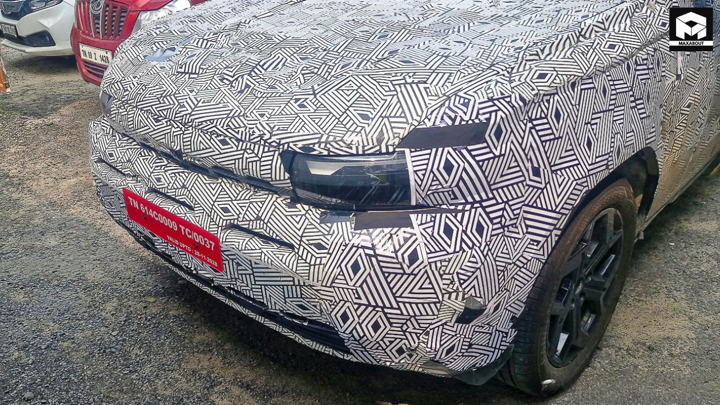
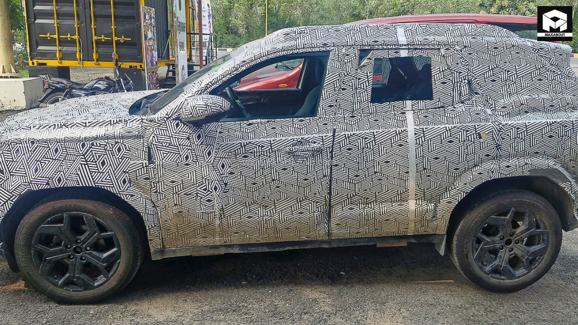
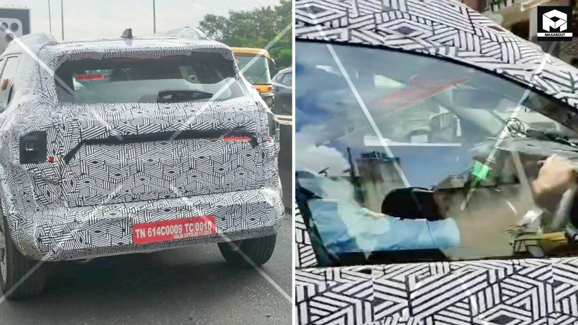
But there's more. The spy photos also confirm a powered tailgate, which has traditionally been reserved for higher-end SUVs. For context, the current Duster generation doesn't offer this feature even in top trims in most markets. This addition alone tells me Renault is targeting buyers who might otherwise consider more expensive alternatives.
Interior Design Philosophy: A Departure from Budget Basics
Let me be honest with you—the Duster has always been about value over luxury. But the automotive landscape has changed dramatically. Buyers in the compact SUV segment now expect more, even at accessible price points.
The Black and Green Theme
The black interior with green stitching isn't just about aesthetics. From what industry reports suggest, this design choice serves multiple purposes:
- Differentiation: It sets the Duster apart from competitors who typically use grey or beige accent stitching
- Practicality: Black interiors hide wear and stains better, which matters for adventure-oriented buyers
- Brand identity: The green accent likely connects to Renault's broader design language and environmental positioning
- Perceived value: Contrast stitching creates a more expensive appearance without massive cost increases
I think this is smart positioning. Renault seems to be acknowledging that today's buyers want their SUV to feel special, even if they're not paying luxury prices. The green stitching gives the cabin personality—something the current generation lacks.
Material Quality Expectations
While we can't determine exact material specifications from spy shots, the images suggest improved surface treatments. User forums and automotive publications have often criticized previous Duster generations for hard plastics and basic materials. If Renault addresses this with softer-touch surfaces where hands frequently contact—door armrests, center console, dashboard upper sections—they'll significantly improve the ownership experience.
From my understanding of manufacturing economics, even small material upgrades in strategic areas can dramatically change perception without blowing up production costs. That's likely what's happening here.
The Powered Tailgate: More Significant Than You Might Think
A powered tailgate might seem like a minor convenience feature, but it represents something bigger—Renault's commitment to bringing mainstream features to the value segment.
Why This Feature Matters
I'll tell you why the powered tailgate inclusion is noteworthy. Compact SUVs in the Duster's price range typically make you choose: either get the powered tailgate in a more expensive competitor, or skip it entirely. Renault appears to be eliminating that compromise.
Powered tailgates have become increasingly common in SUVs priced above $30,000, but remain relatively rare in vehicles targeting the sub-$25,000 segment globally. By including this feature, Renault is:
- Addressing practical needs for families loading groceries, luggage, or sports equipment
- Competing directly with models like the Hyundai Creta, Kia Seltos, and Nissan Kicks in markets where these compete
- Creating a tangible feature to justify potential price increases over the current generation
- Improving accessibility for users who might struggle with manual tailgate operation
Integration with Modern Conveniences
Most modern powered tailgates come with kick-sensor activation technology, allowing you to open the tailgate with a foot gesture when your hands are full. While the spy shots don't confirm this specific feature, it's become standard practice in the industry. I'd be surprised if Renault skipped it, given they're already investing in the powered mechanism.
What This Means for the 2026 Duster's Market Position
Here's my take on the bigger picture. Renault is threading a needle with the 2026 Duster. They need to maintain the model's reputation for value while addressing evolving expectations. These spy shots suggest they understand that challenge.
Premium Features Without Premium Pricing
The compact SUV segment has become brutally competitive. According to market analysis reports, buyers in this category now expect features that were considered luxury items just five years ago. Touchscreen infotainment, smartphone connectivity, advanced driver assistance systems, and yes—powered tailgates.
Renault appears to be positioning the 2026 Duster as a "premium value" proposition. Not luxury, but not bare-bones either. It's a smart middle ground that could attract buyers who want more than basic transportation but can't justify $40,000+ SUVs.
Competition and Context
In markets like India, where the Duster competes, buyers have become incredibly sophisticated. They compare specifications across brands meticulously. A powered tailgate and upscale interior treatment could be difference-makers in showroom decisions.
Similarly, in European markets where Renault has traditionally been strong, the Dacia Duster (marketed as Renault Duster in some regions) faces competition from increasingly well-equipped Chinese SUVs. Elevating interior quality isn't optional—it's survival.
Expected Additional Features Based on Industry Patterns
While these spy shots focus on specific elements, we can make educated guesses about other likely features based on current automotive trends:
Technology Integration
- Larger touchscreen: Reports suggest 10-inch or larger displays are becoming baseline in this segment
- Digital instrument cluster: At least in higher trims, likely 7-inch or larger
- Wireless smartphone connectivity: Wireless Apple CarPlay and Android Auto are increasingly expected
- Connected car features: Remote start, vehicle tracking, and diagnostic information via smartphone apps
Safety and Driver Assistance
Many markets now mandate certain safety features, while others have become competitive necessities:
- Automatic emergency braking
- Lane departure warning and lane keeping assist
- Adaptive cruise control (likely in top variants)
- Blind spot monitoring
- Rear cross-traffic alert (especially logical with a powered tailgate)
- 360-degree camera system
I'd be genuinely shocked if Renault skipped these features in 2026, given how quickly they've become standard across the industry.
Powertrain Possibilities and Platform
While the spy shots don't reveal powertrain details, industry chatter and Renault's current portfolio give us clues about what to expect.
Engine Options
Based on Renault's existing engine lineup and emissions regulations, the 2026 Duster likely offers:
- Turbocharged petrol engines: Probably a 1.3-liter or 1.5-liter turbo with 130-150 horsepower
- Hybrid option: Increasingly probable given European regulations and market trends
- Diesel (market-dependent): May continue in India and some other markets where diesel remains popular
The push toward electrification means we might also see a mild-hybrid system that improves fuel efficiency without the cost and complexity of full hybridization. This technology has become affordable enough for mainstream applications.
Platform and Dimensions
The Duster typically uses a modified version of Renault-Nissan alliance platforms. The 2026 model probably builds on the CMF-B platform, which underpins several Renault and Nissan vehicles. This platform supports various powertrains and allows for the kind of feature content we're seeing in these spy shots.
Dimensions likely grow slightly—maybe 20-50mm longer and wider—to accommodate improved interior space and meet current crash safety standards. That extra space could mean genuinely usable third-row seating or significantly more cargo volume.
Timeline and Market Availability
Given these spy shots show what appears to be a relatively production-ready vehicle, I'd expect the 2026 Renault Duster to debut in late 2025 or early 2026. Different markets follow different timelines, but here's how it typically works:
- Official reveal: Likely Q4 2025, possibly at a major auto show
- First market launch: Usually Europe or India, within 2-3 months of reveal
- Broader availability: Throughout 2026 as production ramps up
- Additional markets: Some regions might wait until 2027
The exact naming might vary by market. What's called "Renault Duster" in some countries appears as "Dacia Duster" in Europe, reflecting the brand structure within the Renault Group.
Pricing Strategy: The Balancing Act
Here's where things get interesting. All these premium features come at a cost, and Renault needs to price the 2026 Duster carefully.
The current Duster's biggest selling point has always been value. You get SUV practicality and capability without breaking the bank. But with powered tailgates, upgraded interiors, and modern technology, production costs inevitably rise.
My expectation? Renault will likely position the base 2026 Duster slightly higher than the current model—perhaps 5-10% more—while loading mid and top trims with enough features to justify steeper increases at those levels. The green-stitched interior and powered tailgate probably appear in mid-tier or higher trims, allowing Renault to maintain an accessible entry price.
This tiered approach lets them serve budget-conscious buyers while also capturing customers willing to pay more for convenience and style. It's a strategy that works well when executed properly.
What Buyers Should Consider
If you're in the market for a compact SUV and considering waiting for the 2026 Duster, here's my practical advice:
Why You Might Want to Wait
- Significantly updated interior quality based on these spy shots
- Modern convenience features like powered tailgate
- Likely improved technology integration and safety systems
- Fresh styling that won't immediately look dated
- Probable efficiency improvements from newer powertrains
Why You Might Buy Current Generation Instead
- Dealers often heavily discount outgoing models as new generation approaches
- Current Duster's simplicity means lower long-term maintenance costs
- Proven reliability record versus unproven new model
- Immediate availability rather than waiting 12-18 months
- Lower purchase price if premium features don't matter to you
There's no universal right answer. It depends on your timeline, budget, and feature priorities. But I think the 2026 Duster will appeal strongly to buyers who've wanted Duster practicality with a more refined execution.
Frequently Asked Questions
When will the 2026 Renault Duster be officially revealed?
Based on typical development timelines and the production-ready appearance of these spy shots, the official reveal likely occurs in Q4 2025 or Q1 2026. Renault hasn't announced specific dates yet, but manufacturers usually reveal vehicles several months before they reach dealerships.
Will the powered tailgate be standard or optional?
While not officially confirmed, powered tailgates in this segment typically appear as standard equipment on top trims and optional on mid-level trims. The base model probably retains a manual tailgate to keep the entry price competitive. This approach is common practice across the automotive industry.
How much will the 2026 Duster cost?
Pricing hasn't been announced, but expect modest increases over the current generation—likely 5-15% depending on trim level and market. The base model should remain competitively priced to maintain the Duster's value reputation, while upper trims with features like the powered tailgate and premium interior will command higher prices.
Will all markets get the black interior with green stitching?
Interior options typically vary by market and trim level. The black interior with green stitching shown in spy shots could be one of several available color schemes. Markets with hotter climates sometimes prefer lighter interior colors, so Renault likely offers alternatives. Expect the green stitching treatment on specific trims or as part of option packages.
What competitors does the 2026 Duster face?
Competition varies by market, but the Duster typically competes with models like the Hyundai Creta, Kia Seltos, Nissan Kicks, MG Hector,
No comments yet
Be the first to share your thoughts!
Want to read more automotive news?
Stay updated with the latest car launches, reviews, and industry insights.
Browse All News