
2026 Hyundai Verna Facelift Spied in Red Colour – Launch Next Year
The 2026 Hyundai Verna facelift has been caught testing, and honestly, it's got me pretty excited. Spy photographers managed to capture the refreshed sedan wearing a striking red colour while undergoing road tests. While the test mule was partially camouflaged, there's enough visible to give us a de...
The 2026 Hyundai Verna facelift has been caught testing, and honestly, it's got me pretty excited. Spy photographers managed to capture the refreshed sedan wearing a striking red colour while undergoing road tests. While the test mule was partially camouflaged, there's enough visible to give us a decent idea of what Hyundai has planned for this mid-cycle update.
I've been following the Verna's journey since its latest generation launched in 2023, and it's been quite the success story for Hyundai. The sedan has consistently ranked among the top sellers in its segment, competing fiercely with the Honda City, Maruti Ciaz, and Skoda Slavia. A facelift next year would be right on schedule, keeping the model fresh in a highly competitive market.
What the Spy Shots Reveal
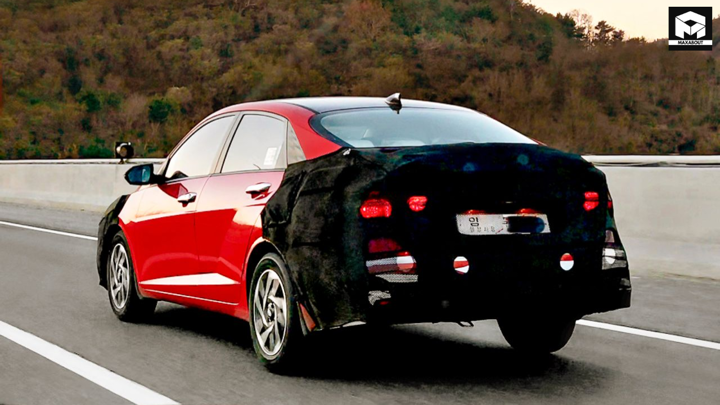
From what I can see in these spy images, Hyundai isn't going for a radical redesign—and that makes perfect sense. The current Verna already sports aggressive styling that resonates well with buyers, particularly younger customers who want something that looks premium without breaking the bank.
Front-End Updates
The most noticeable changes appear to be concentrated at the front. The test mule shows what looks like a revised grille design, possibly featuring Hyundai's evolving parametric pattern that we've seen on newer models like the Creta facelift and Alcazar. The headlamp assembly seems to retain the overall shape but might get updated LED signatures and potentially revised DRL patterns.
Hyundai typically uses facelifts to refine their design language rather than reinvent it. Based on what automotive forums and enthusiast groups have reported from similar spy shots, the bumper design could see tweaks to the air intake configuration and fog lamp housing.
That Gorgeous Red Paint
Let's talk about that red colour for a moment. Hyundai has always offered vibrant colour options, and this particular shade caught on camera looks deeper and more sophisticated than the current Fiery Red option. Whether this is a new colour addition or a replacement remains to be seen, but premium paint options have become increasingly important in the sedan segment.
Many buyers in this segment—reports suggest around 30-40% according to industry estimates—opt for non-white colours, with red being particularly popular among younger buyers. It's a smart move to showcase this shade during testing.
Rear Design Modifications
The rear section appears to feature redesigned LED tail lamps, which is pretty standard for mid-cycle facelifts. Hyundai often updates the light signature to give their cars a fresh look without requiring extensive retooling. The bumper might also see minor revisions, possibly with chrome or black accents depending on the variant.
Expected Interior Enhancements
While we haven't seen interior spy shots yet, I can make some educated predictions based on Hyundai's recent pattern with facelifts across their lineup.
Technology Upgrades
The current Verna already packs impressive tech, including dual 10.25-inch screens, wireless charging, and connected car features. For the facelift, I'd expect Hyundai to introduce:
- Updated infotainment software: Likely featuring improved graphics and additional connected features
- Enhanced ADAS features: The current model has Level 1 ADAS; Level 2 capabilities might make their way in
- New ambient lighting options: Possibly with more colour choices and zones
- Upgraded voice recognition: Better natural language processing based on customer feedback
- Additional over-the-air update capabilities: Following industry trends toward software-defined vehicles
Material and Trim Updates
Facelifts typically bring subtle interior refinements. We might see new upholstery options, revised trim pieces, or different accent colours to keep the cabin feeling fresh. Hyundai often listens to customer feedback during these cycles, so any commonly reported concerns about materials or ergonomics could be addressed.
Powertrain: Evolution Rather Than Revolution
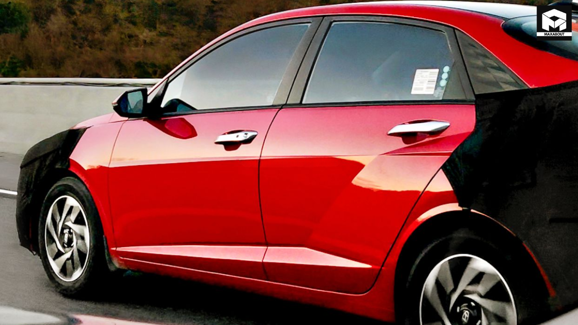
I don't expect major changes to the mechanical side of things. The current Verna's powertrain lineup has been well-received by buyers and automotive journalists alike.
Engine Options Likely to Continue
The existing lineup should carry forward with possible refinements:
- 1.5-liter naturally aspirated petrol: The workhorse engine delivering around 115 PS, popular for its reliability and fuel efficiency
- 1.5-liter turbo-petrol: The enthusiast's choice with approximately 160 PS, offering genuine driving excitement
Transmission options—6-speed manual, CVT, and 7-speed DCT—will likely remain unchanged. However, Hyundai might tune the engines slightly for improved efficiency to meet increasingly stringent emission norms.
Potential Hybrid Consideration
Here's where things get interesting. Given the industry's push toward electrification and the success of hybrid sedans like the Honda City e:HEV, there's been speculation—though unconfirmed—that Hyundai might consider a mild-hybrid or strong-hybrid variant for the Indian market.
From what industry analysts have discussed, this seems unlikely for the 2026 facelift but could be reserved for a later update or the next generation. Hybrid technology integration requires significant investment and testing, and Hyundai might first gauge market response through other models in their lineup.
Features and Equipment Expectations
The current Verna is already feature-loaded, but there's always room to add more value. Based on market trends and competitor offerings, here's what might make the cut:
Safety Enhancements
Safety has become a major selling point in the sedan segment. The facelift could introduce:
- Additional airbags across more variants
- Enhanced parking assistance with 360-degree camera improvements
- Blind-spot monitoring possibly becoming standard on higher variants
- Improved autonomous emergency braking calibration
Comfort and Convenience Additions
Small touches can make a big difference in daily usability:
- Ventilated front seats with memory function (possibly for the top variant)
- Rear window sunshade (a feature often requested by chauffeur-driven buyers)
- Improved air purification system
- Wireless Android Auto and Apple CarPlay refinements
- Additional USB-C charging ports for rear passengers
Launch Timeline and Pricing Strategy
The spy shots appearing now suggest that Hyundai is in the testing phase, which typically means a launch is still several months away.
Expected Launch Window
Based on typical automotive development cycles and testing periods, I'd expect the 2026 Verna facelift to launch somewhere between March and June 2025. This timing would allow Hyundai to:
- Complete comprehensive testing across various conditions
- Build inventory for a strong market launch
- Time the release to avoid the monsoon slowdown
- Potentially unveil it at the 2025 Bharat Mobility Global Expo
Pricing Expectations
This is where things get tricky. The current Verna ranges from approximately ₹11 lakh to ₹17.5 lakh (ex-showroom), varying by city and variant. For the facelift, I'd anticipate:
- A modest price increase of ₹20,000-₹40,000 across variants
- Top-end variants potentially crossing the ₹18 lakh mark
- Entry-level variants staying competitive to maintain volume sales
- Possible introduction of new mid-level variants with popular feature combinations
Hyundai has typically been smart about pricing facelifts—they add enough to justify new features without pushing buyers toward competitors. In a segment where every thousand rupees matters, this balance is crucial.
Competitive Landscape in 2026
By the time the Verna facelift launches, the sedan segment will be even more competitive than it is today.
Main Rivals
The refreshed Verna will go up against:
- Honda City: Still the benchmark for refinement, and the hybrid variant has carved its own niche
- Maruti Ciaz: If it continues, though rumors of discontinuation persist
- Skoda Slavia: European appeal with strong performance
- Volkswagen Virtus: Similar to Slavia but with different styling
- Toyota Yaris (if it returns): Speculation about a comeback continues
Where the Verna Stands Strong
From what I've observed in the market and heard from dealer networks, the Verna's strengths include:
- Aggressive styling that appeals to younger buyers
- Feature-packed variants offering strong value
- The turbocharged engine option for driving enthusiasts
- Hyundai's extensive service network and parts availability
- Relatively quicker delivery times compared to some competitors
What Buyers Should Consider
If you're in the market for a sedan right now, you're probably wondering whether to buy the current Verna or wait for the facelift.
Should You Wait?
Here's my honest take. If you need a car immediately, the current Verna is already an excellent package. You might also benefit from better deals as the facelift launch approaches—dealers often offer attractive discounts to clear existing inventory.
However, if you can wait 4-6 months and want the latest styling and features, holding off makes sense. The facelift will likely bring enough visual updates to be noticeably different, and newer technology features could enhance the ownership experience.
Long-Term Value Consideration
Facelifted models typically hold their value slightly better because they remain current-looking for longer. If you plan to keep the car for 7-8 years or more, this matters less. But if you upgrade every 3-4 years, buying the facelift could mean better resale value down the line.
Industry Impact and Market Implications
The Verna facelift is significant beyond just Hyundai's product lineup. It signals how seriously manufacturers take the sedan segment despite SUV mania sweeping the market.
Sedan Segment Still Matters
While SUVs dominate headlines and sales charts, sedans continue to serve an important role. They offer better fuel efficiency, lower running costs, easier parking, and superior handling dynamics. Many corporate buyers, taxi operators, and driving enthusiasts still prefer sedans.
Hyundai investing in a comprehensive facelift rather than letting the model coast shows they believe the segment still has legs. Reports from automotive consultancies suggest the sedan segment, while shrinking as a percentage of total sales, maintains steady absolute numbers.
Frequently Asked Questions
When will the 2026 Hyundai Verna facelift launch in India?
Based on the testing phase revealed by spy shots, the facelift is expected to launch between March and June 2025. Hyundai typically needs several months of testing before bringing facelifts to market, so an early to mid-2025 launch seems most likely.
How much will the Verna facelift cost?
While official pricing isn't announced yet, expect a modest increase of ₹20,000-₹40,000 over current prices. The range would likely span from approximately ₹11.2 lakh to ₹18 lakh (ex-showroom) depending on variant and location.
Will the facelift get hybrid technology?
This seems unlikely for the 2026 facelift. While hybrid technology is gaining traction in the segment, implementing it requires extensive development. Hyundai will more likely stick with refined versions of current petrol engines for this update.
What are the major design changes expected?
Expect revised front grille design, updated LED headlamp and tail lamp signatures, refreshed bumpers, and possibly new alloy wheel designs. Interior updates will likely include new upholstery options, revised trim pieces, and updated infotainment software.
Should I buy the current Verna or wait for the facelift?
If you need a car immediately, the current Verna is already excellent and you might get attractive year-end discounts. If you can wait 4-6 months and want the latest features and styling, waiting for the facelift makes sense. Consider your timeline and priorities.
Will the turbo-petrol engine continue?
Yes, the 1.5-liter turbo-petrol engine will almost certainly continue. It's been a major selling point for the Verna, attracting driving enthusiasts
Want to read more automotive news?
Stay updated with the latest car launches, reviews, and industry insights.
Browse All News