
2026 Hyundai Verna Facelift: New Steering & Interior Updates Revealed
The Hyundai Verna has been a strong contender in India's midsize sedan segment since its debut, and the upcoming 2026 facelift signals the brand's commitment to keeping this popular model fresh and competitive. The current generation, launched in 2023, has earned praise for its bold design and power...
The Hyundai Verna has been a strong contender in India's midsize sedan segment since its debut, and the upcoming 2026 facelift signals the brand's commitment to keeping this popular model fresh and competitive. The current generation, launched in 2023, has earned praise for its bold design and powerful turbo-petrol engine options, consistently challenging rivals like the Honda City and Volkswagen Virtus in monthly sales.
What makes this facelift particularly interesting is its timing. With the Indian automotive market increasingly shifting towards SUVs, Hyundai's decision to invest in updating the Verna demonstrates confidence in the sedan segment's continued relevance. The current model's success, particularly in urban markets like Delhi, Mumbai, and Bengaluru, has proven that demand for well-equipped sedans remains strong among Indian buyers.
Recent spy shots have revealed that Hyundai isn't just making cosmetic changes - the 2026 Verna appears to be receiving meaningful interior updates, including a new steering wheel design. This refresh comes at a crucial time when the model has established itself as one of the most feature-rich offerings in the ₹12-20 lakh price bracket.
Interior Updates: Fresh Look for 2026
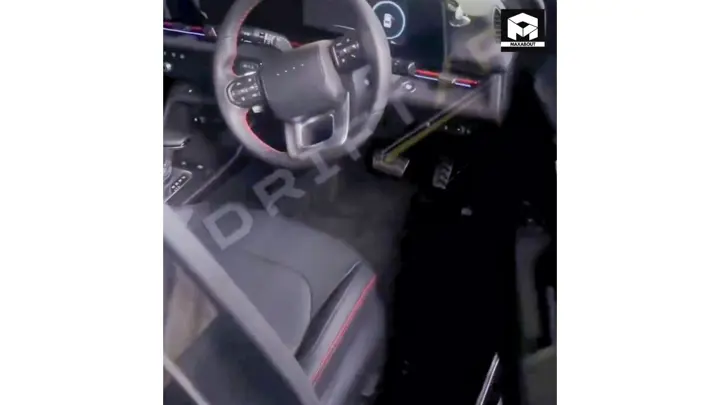
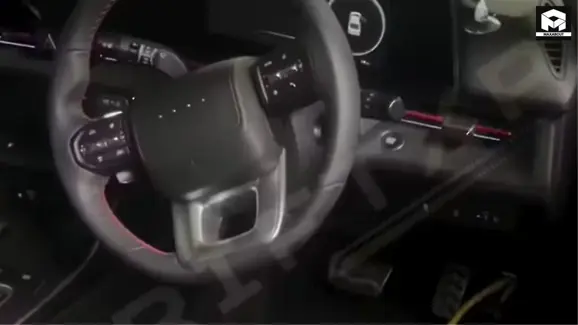
The most striking interior change in the 2026 Verna facelift is the adoption of a sophisticated three-spoke steering wheel, similar to what we've seen in recent Hyundai models. I particularly appreciate the subtle Morse code 'H' pattern integrated into the steering design - it's these thoughtful details that elevate the overall experience.
Looking beyond the steering wheel, the dashboard receives meaningful updates with a dual-screen setup housed in a single panel. The new 12.3-inch digital instrument cluster should offer better visibility in varying light conditions - something I've found particularly useful during Mumbai's intense summers.
The interior maintains its premium feel with strategically placed red accents along the AC vents and contrast stitching on the seats. The all-black theme in turbo variants creates a sporty atmosphere, while the naturally-aspirated variants offer a more traditional black-and-beige combination.
What impresses me most is how these updates feel purposeful rather than cosmetic. The revised ambient lighting placement, for instance, enhances the cabin's sense of space without being flashy. For daily commuters spending hours in traffic, these refinements could make a significant difference in overall comfort.
Key Interior Enhancements
New three-spoke steering wheel with integrated controls
Upgraded 12.3-inch digital displays
Enhanced ambient lighting placement
Refined dual-tone treatment with red accents
Technology and Features: Dual Screen Setup and Connected Features
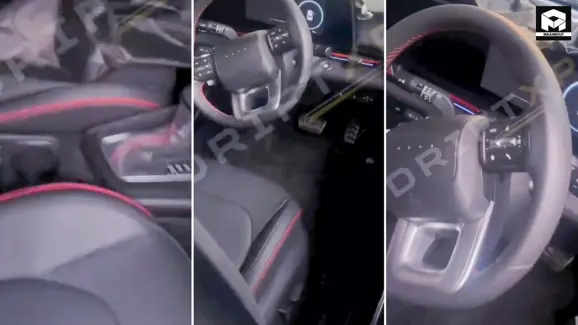
The 2026 Verna facelift's technology package represents a significant upgrade, particularly with its dual 12.3-inch display setup. I'm impressed by how Hyundai has integrated these screens into a single curved panel, similar to what we typically see in luxury segments. The driver's display now offers crisp graphics with customizable themes - something I believe will appeal to tech-savvy Indian buyers.
The infotainment system brings welcome improvements in responsiveness and features. Based on recent spy shots, we can expect enhanced connected car features including:
Over-the-air software updates
Advanced voice recognition with Indian accent support
Remote climate control activation
Enhanced navigation with real-time traffic updates
What stands out is the seamless integration with both Apple CarPlay and Android Auto, now offering wireless connectivity. For Indian conditions, Hyundai has wisely retained physical controls for critical functions like climate control - a practical touch that makes operation easier while driving on our busy roads.
The system's interface appears more intuitive than before, with larger touch targets and improved screen visibility even under bright sunlight - a crucial consideration for our climate. The addition of a 360-degree camera system with high-resolution display should make maneuvering in tight urban spaces significantly easier.
Exterior Design Updates: Subtle Yet Meaningful Changes
Based on recent spy shots, the 2026 Verna facelift brings thoughtful exterior refinements while maintaining the sedan's distinctive character. The most noticeable change appears at the front, where Hyundai has reworked the headlight design with larger main units that better integrate the turn indicators - addressing feedback about the current model's somewhat polarizing front end.
The signature LED light bar remains, but it's now complemented by what appears to be a more sophisticated Sonata-inspired front bumper. I particularly appreciate the new squared-off central air dam, which gives the car a more grounded stance, while the satin chrome lip adds a premium touch without being flashy.
Moving to the sides, Hyundai has introduced redesigned 16-inch diamond-cut alloy wheels. The turbo variants will likely retain the sporty blacked-out treatment, which I think works exceptionally well with darker body colors. At the rear, the changes are more subtle but meaningful:
Updated LED signatures in the rear light bar
Redesigned rear bumper with a more defined diffuser element
New chrome garnish placement that emphasizes the car's width
These updates seem carefully chosen to address customer feedback while maintaining the Verna's modern design language. The changes appear particularly well-suited for Indian tastes, where buyers increasingly expect premium design elements even in the mid-size sedan segment.
Engine Options and Expected Performance
Based on recent spy shots and industry insights, the 2026 Verna facelift will likely retain its current powertrain options, which makes perfect sense given their proven reliability in Indian conditions. The lineup should continue with the familiar 1.5-liter naturally aspirated petrol (115hp) and the sprightly 1.5-liter turbocharged petrol (160hp) engines.
I think the turbo variant will remain particularly appealing for enthusiasts, especially given its strong mid-range performance that's ideal for quick overtakes on our busy highways. The NA petrol, in my experience, offers that sweet spot of efficiency and adequate power for city driving.
Expected Transmission Options
6-speed manual (standard with both engines)
IVT automatic (with NA petrol)
7-speed DCT (with turbo petrol)
There's also speculation about a possible hybrid powertrain joining the lineup, which would make sense given rising fuel costs in metropolitan areas. However, Hyundai might need to carefully price such a variant, considering the price-sensitive nature of our market.
Expected Pricing and Market Positioning
I expect the 2026 Verna facelift to command a premium of ₹30,000-50,000 over current prices. This would position the base variant around ₹11.5 lakh, while the range-topping Turbo DCT could touch ₹19 lakh (estimated ex-showroom).
Looking at market dynamics, Hyundai will likely maintain competitive pricing against the Honda City and Volkswagen Virtus. The mid-size sedan segment remains price-sensitive, especially with growing SUV competition around the ₹15 lakh mark.
Projected Variant Pricing (Ex-showroom)
EX 1.5 NA Petrol MT: ₹11.5-12 lakh
SX 1.5 NA Petrol IVT: ₹14-14.5 lakh
SX(O) 1.5 Turbo MT: ₹16.5-17 lakh
SX(O) 1.5 Turbo DCT: ₹18.5-19 lakh
While these prices represent an increase, I believe the refreshed design and potential feature additions should help justify the premium, especially in top-spec variants where customers typically prioritize latest features over absolute value.
What This Means for Indian Sedan Buyers
Based on the expected changes, I think the 2026 Verna facelift presents an interesting choice for prospective buyers. The refreshed Sonata-inspired design should address the polarizing looks of the current model, while the updated interior with dual 12.3-inch screens could help maintain its premium positioning against rivals like the Honda City and Volkswagen Virtus.
For those considering a purchase, here's my assessment:
Wait for the facelift if:
The current Verna's front-end design is a deal-breaker for you
You prioritize having the latest technology features
Resale value is a major consideration
Buy the current model if:
You can secure significant year-end discounts
The existing feature set meets your needs
You prefer the current design language
In the competitive Indian sedan segment, I believe these updates will help the Verna maintain its strong position, particularly among technology-focused buyers who appreciate Hyundai's robust service network and reliability record.
Maxabout Team
Editorial Team
Specializes in: Automotive News, Reviews, Analysis
Want to read more automotive news?
Stay updated with the latest car launches, reviews, and industry insights.
Browse All News